The Builder Fine Print: What New Construction Contracts on Long Island Don’t Tell You Upfront
Before you sign a Long Island new construction contract, read this. Escalation clauses, upgrade traps, and closing delays are buried in the details.

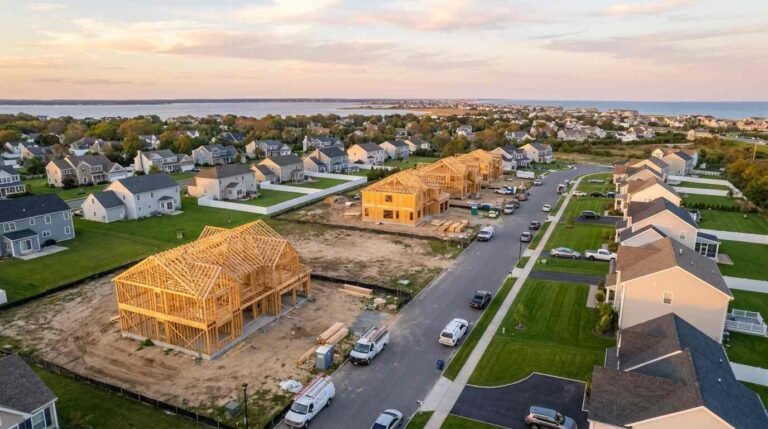
Before you sign a Long Island new construction contract, read this. Escalation clauses, upgrade traps, and closing delays are buried in the details.
Suffolk County property taxes average $9,472 per year with school taxes making up over 60% of the bill. Here’s what every buyer needs to budget before closing.
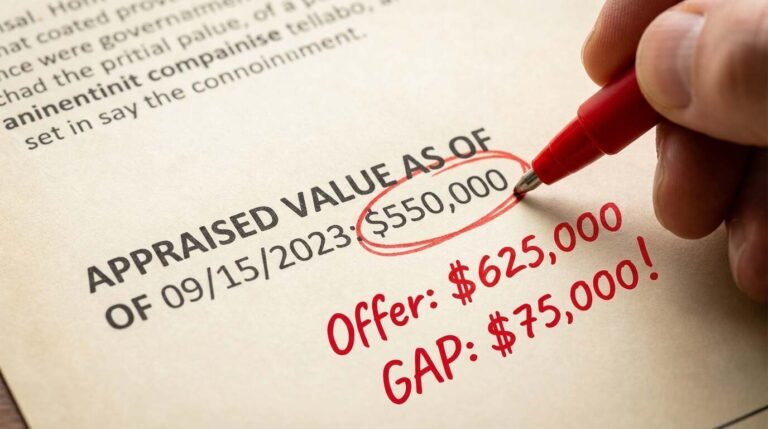
Most buyers treat the appraisal gap addendum as a demand. Sellers who understand its structure use it as leverage. Buyers who read it carefully can do the same.

Long Island’s housing stock is older than most buyers realize. Here are the inspection findings that actually derail deals — and what to do when your inspector finds them.
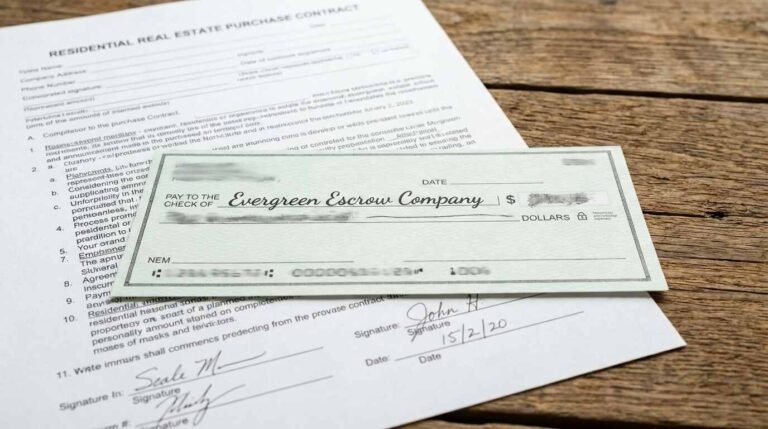
First-time buyers are told earnest money shows good faith. They’re rarely told the exact conditions under which they lose it permanently. This is that explanation.

Long Island buyers should expect 2–5% of the purchase price in closing costs. Here’s the line-by-line breakdown with real numbers for Suffolk and Nassau.
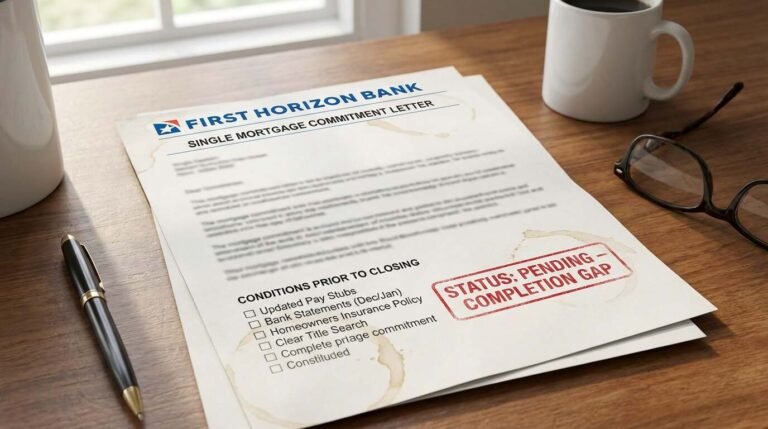
A mortgage commitment letter is a conditional promise, not a binding loan approval. The conditions it contains are the legal fault lines where transactions fail.

Waiving your inspection contingency to win a bid feels strategic. The legal exposure it creates is real and documented. Here’s what you need to know before you sign.

Suffolk County’s HOME-funded down payment assistance programs are real and valuable — but they come with timing risks most buyers don’t know about. Here’s what to ask before you apply.
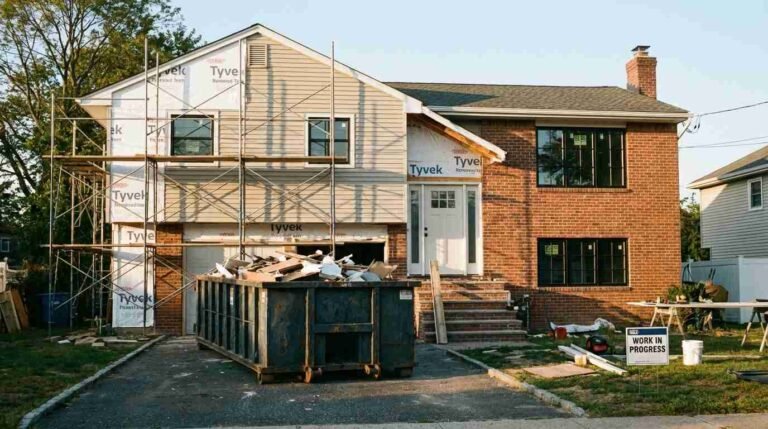
HUD’s 203(k) loan lets buyers finance a home and its renovation in a single mortgage. Lender complexity keeps most from mentioning it. Here’s what it actually covers.