Building the Moon Buggy in Bethpage
Before silicon valleys and software, Long Island engineers built the machine that landed on the moon. The Grumman Lunar Module story — right off the Seaford-Oyster Bay Expressway.

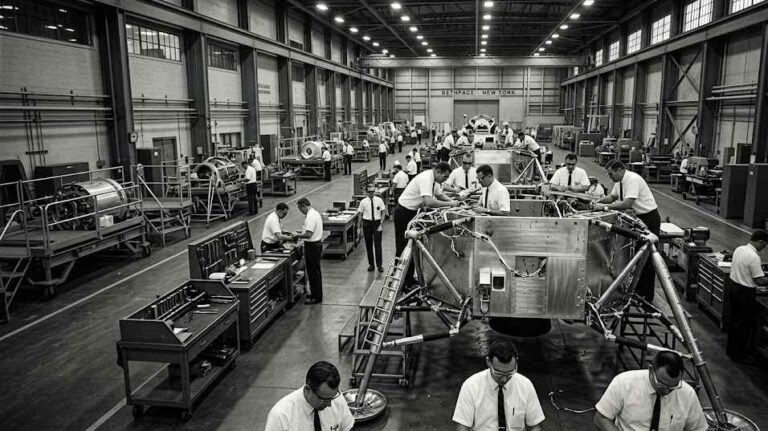
Before silicon valleys and software, Long Island engineers built the machine that landed on the moon. The Grumman Lunar Module story — right off the Seaford-Oyster Bay Expressway.

The Wisconsin Glacier retreated across Long Island roughly 20,000 years ago and left behind a mix of boulders, clay, and gravel still dictating North Shore renovation budgets. What every 1960s ranch buyer needs to know.
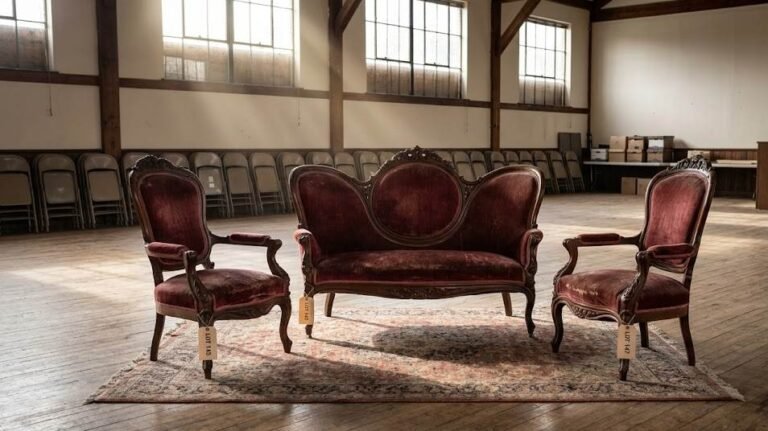
The lots that didn’t sell at Long Island’s Gold Coast estate auctions tell a sharper story about taste, value, and the art market than the hammer prices that did.
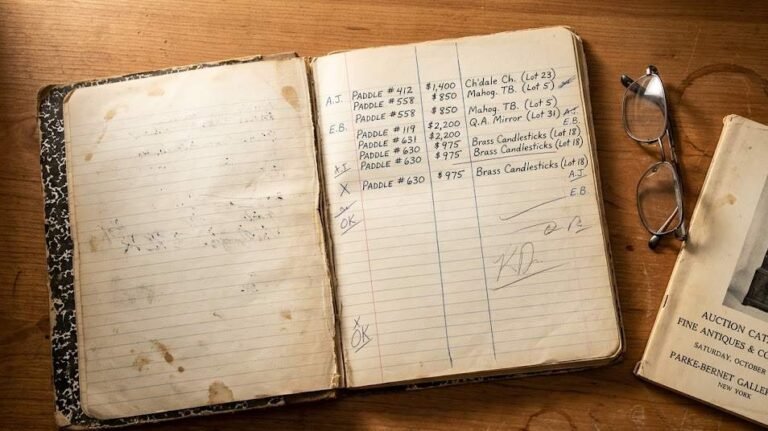
Handwritten auction notebooks kept by a Huntington antiques dealer may hold the most granular record of how Gold Coast estate furniture dispersed across Long Island after World War II.

In 1883, a Treasury Department inquiry exposed how Montauk’s lighthouse keeper was profiting from wrecked cargo — and what that history reveals about the bluff land underneath today’s $4M listings.

Three thousand years ago, caravans loaded with Dhofari frankincense left for Egypt, Rome, and Jerusalem. The Boswellia sacra trees are still here. So is the smoke.

Before Sunken Meadow became a state park, the Kings Park shore was where New York sent people to recover — and sometimes to die — by the Long Island Sound. This history has been nearly erased.
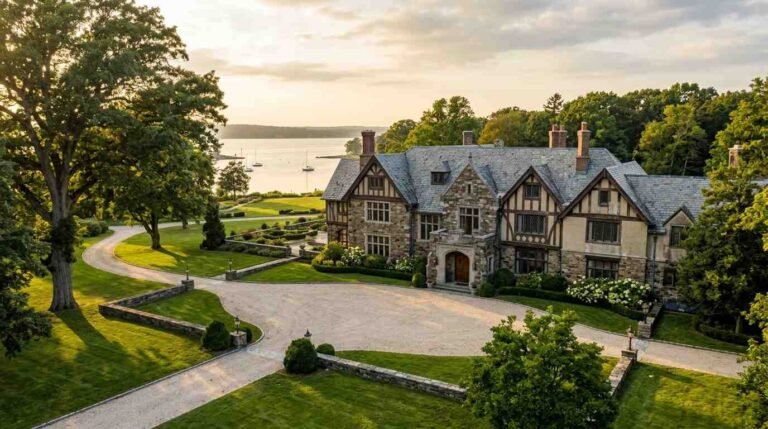
When William K. Vanderbilt II’s Eagle’s Nest estate entered the market after 1944, the resulting land dispersal determined Centerport’s social geography for generations. Here’s what that history still means for buyers today.
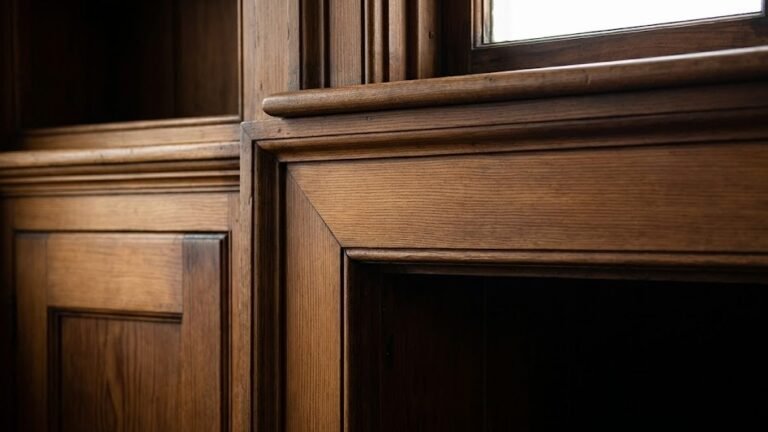
Before the chestnut blight erased Castanea dentata from American forests, the Life-Saving Service built with it on Fire Island. The surviving planks still hold the answer to a question woodworkers debate.
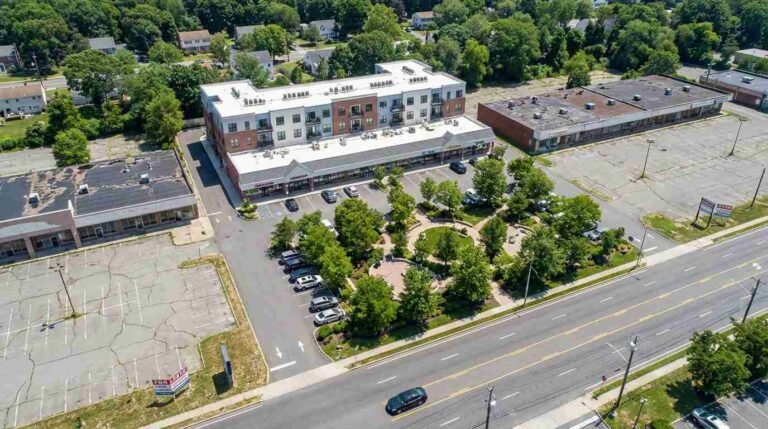
Long Island’s vacant strip centers contain structural gifts — flat-plate concrete slabs and open column grids — that architects are now using for housing, medical, and mixed-use conversions. Here’s what’s working and why.