The Dual Agency Disclosure You Signed Does Not Mean What You Think It Means
Signing a dual agency consent form doesn’t protect you — it marks the beginning of a conflict of interest. Here’s what the law actually suspends.


Signing a dual agency consent form doesn’t protect you — it marks the beginning of a conflict of interest. Here’s what the law actually suspends.
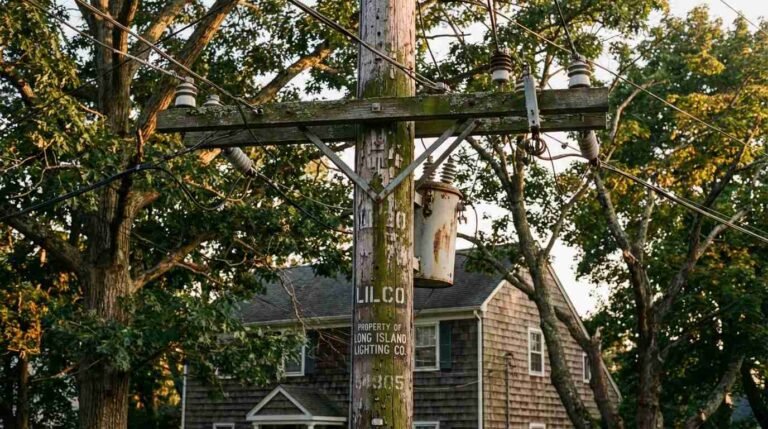
Pre-war easements — utility corridors, right-of-way grants, drainage strips — follow a property forever. Here’s how to find them before you make an offer.

Most buyers never read their title commitment. But buried in Schedule A and Schedule B are details that reveal your property’s full legal biography — and can change your offer.

Long Island’s housing stock is older than most buyers realize. Here are the inspection findings that actually derail deals — and what to do when your inspector finds them.
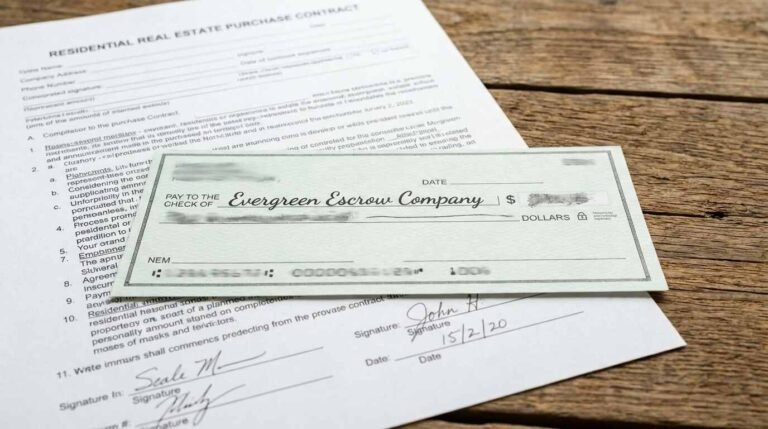
First-time buyers are told earnest money shows good faith. They’re rarely told the exact conditions under which they lose it permanently. This is that explanation.

Long Island buyers should expect 2–5% of the purchase price in closing costs. Here’s the line-by-line breakdown with real numbers for Suffolk and Nassau.
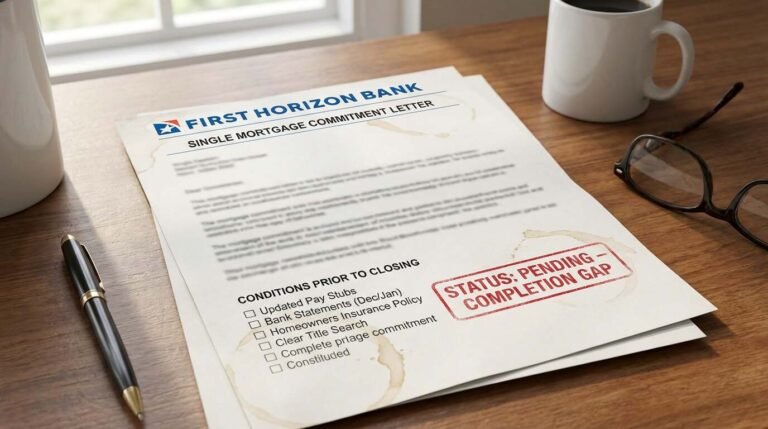
A mortgage commitment letter is a conditional promise, not a binding loan approval. The conditions it contains are the legal fault lines where transactions fail.
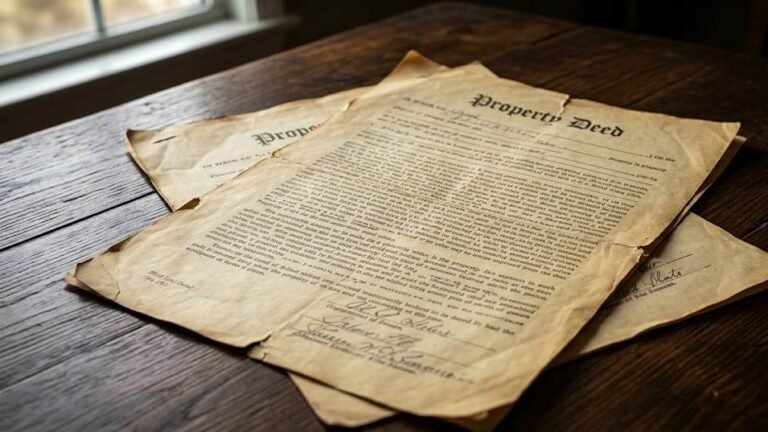
Post-war deed restrictions in Nassau and Suffolk County can void FHA loan approvals for first-time buyers. Here’s what to look for — and how to protect yourself.

A Cold Spring Harbor spec home closed well above ask while the custom build next door sat for months. The difference wasn’t price. It was certainty. Here’s what that means for buyers now.

Waiving your inspection contingency to win a bid feels strategic. The legal exposure it creates is real and documented. Here’s what you need to know before you sign.