The North Shore Downsizing Playbook: What Long Island Sellers Give Up, Gain, and Owe
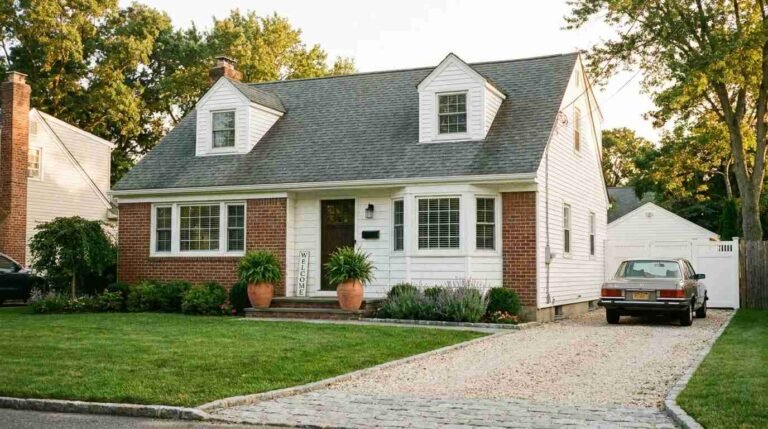
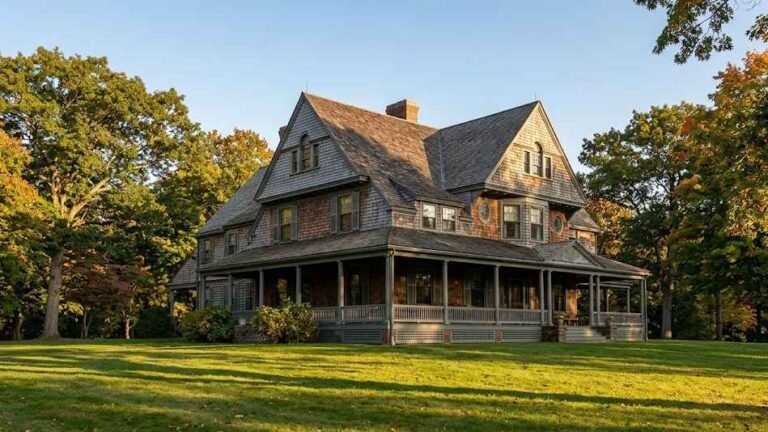
The house that made sense for a family of five stops making sense once it’s a family of two. Extra bedrooms sit empty. Lawn maintenance becomes a chore rather than a hobby. Property taxes on a five-bedroom colonial don’t shrink just because fewer people are living in it. For a growing number of North Shore homeowners, the question isn’t whether to downsize — it’s how to do it without leaving money, time, or peace of mind on the table.
Start With the Timeline, Not the Listing
The single most common mistake in a downsizing sale is starting with the sale itself. A better first step is mapping the sequence: does the next home need to be ready before the current one sells, or can the household manage a gap with temporary housing? North Shore inventory in the smaller-home and condo segment tends to move faster than larger single-family listings, which means a homeowner selling first and buying second may face a tighter window than expected. Working backward from a target move date — rather than forward from “whenever it sells” — tends to produce a calmer process and fewer rushed decisions on both ends of the transaction.

What Downsizing Actually Saves
The appeal is usually framed around cash from the sale, but the recurring savings often matter more over time. A smaller property typically means a smaller tax bill, lower heating and cooling costs, less spent on lawn and exterior maintenance, and — as covered in a recent look at why Long Island homeowners insurance keeps climbing — a smaller structure to insure against rising rebuild costs. None of these are dramatic on their own. Together, over a decade, they add up to a materially different monthly budget than the one attached to a larger, older home.
The Tax Question Nobody Wants to Ask First
Selling a long-held home can trigger capital gains tax on the appreciation, and North Shore properties held for decades have often appreciated substantially. The federal exclusion — up to $250,000 in gain for a single filer, $500,000 for a married couple filing jointly, provided ownership and use requirements are met — shields many sellers from owing anything at all. But a home purchased decades ago for a fraction of its current value can still generate gain above that threshold, particularly for a couple where one spouse has since passed and the survivor now files as single. This is a conversation for a tax professional before a listing goes live, not after closing — the difference in structuring a sale can be significant, and a deeper look at how capital gains apply to a Long Island home sale is worth reading alongside that conversation.
Staging a Home Full of History
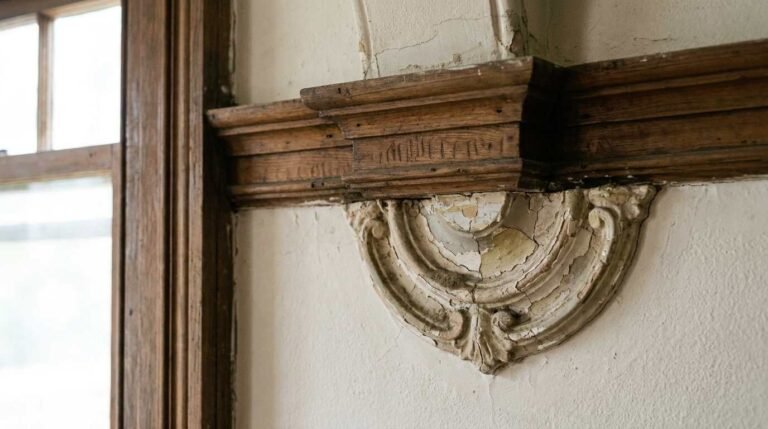
A downsizing sale often means staging a house that has been lived in, not styled — decades of furniture, family photos, and personal collections that reflect a life rather than a listing. Buyers need to see the bones of the house, not the accumulated evidence of the family that raised children in it. This is emotionally harder than a typical pre-listing declutter, and it’s worth budgeting real time for it: sorting what moves to the next home, what goes to family members, what gets sold or donated, and what simply needs to be cleared before photography. Rushing this step tends to show up in the listing photos.
Where Downsizing Buyers Actually Land
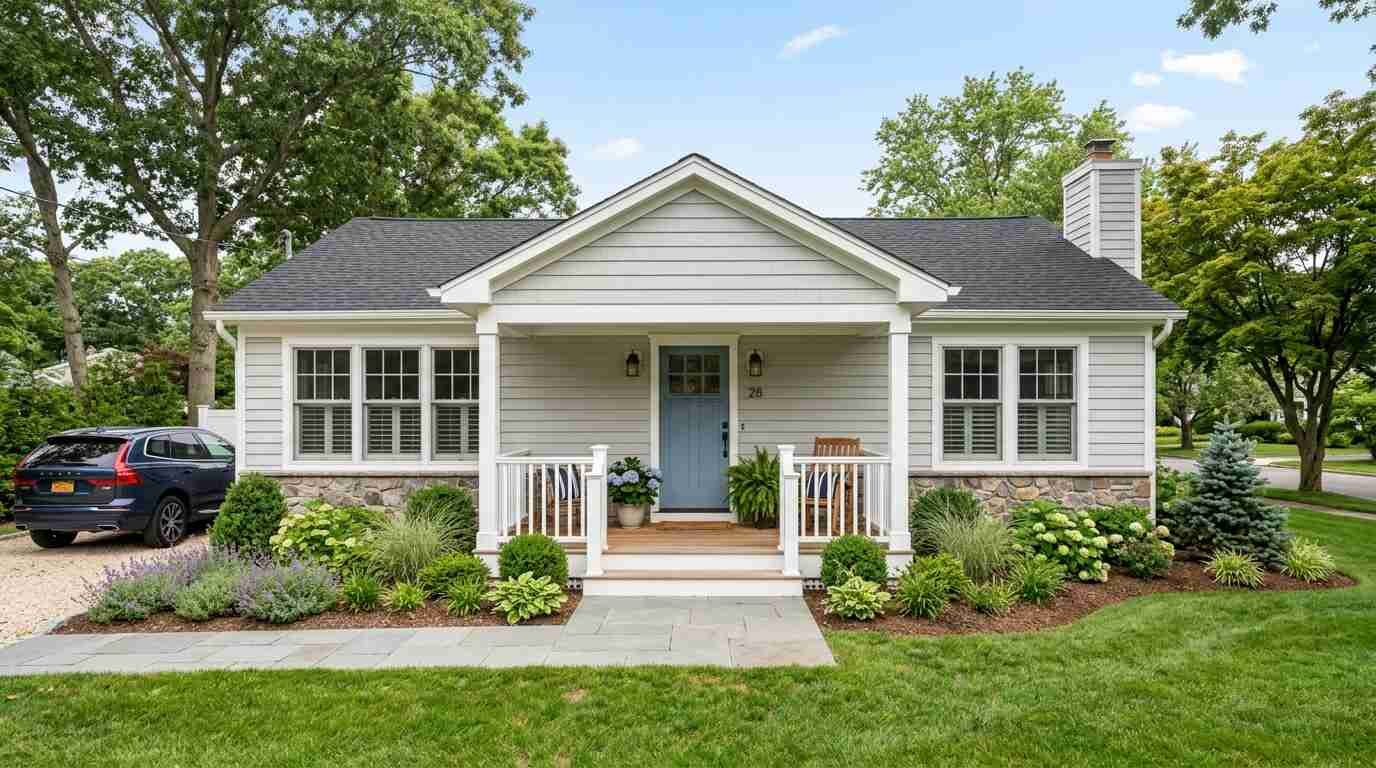
Not every downsizing move means leaving the North Shore. Some sellers move within Huntington, Smithtown, or the Three Villages into a smaller single-family home or townhouse. Others look at age-restricted 55-and-over communities, which have expanded on Long Island in recent years — developments like The Seasons, a series of 55+ condominium communities built across Nassau and Suffolk counties, including an active phase in Dix Hills within the Town of Huntington, offer maintenance-included living with amenities like fitness centers and pools. Pricing and availability at any specific development changes regularly and should be confirmed directly with the builder or a sales office rather than assumed from a prior year’s figures. Deciding between staying in a familiar hamlet and moving to an age-restricted community is less a real estate question than a lifestyle one — proximity to grandchildren, a walkable Main Street, or an existing social network can outweigh a lower price point in another town.
The Line-by-Line Costs Nobody Mentions Upfront
Beyond commission and closing costs, a downsizing sale carries expenses that rarely make it into the initial budget: moving costs for a household that’s accumulated decades of belongings, storage fees if the next home isn’t ready, and the cost of disposing of or donating furniture that won’t fit the smaller footprint. A line-by-line look at the hidden costs of selling a Long Island home covers most of these in more detail, and running through that list before setting a listing price prevents an unpleasant surprise at the closing table.

When to Start the Conversation
Most sellers wait too long to start thinking seriously about downsizing — often until a health event, a job loss, or an empty house after the last child moves out forces the decision under pressure. The homeowners who navigate it most smoothly tend to start the conversation two to three years ahead, giving themselves room to research neighborhoods, talk to a tax professional, and declutter gradually rather than all at once before a listing deadline. There’s no requirement to have a firm date in mind to start asking the questions.
This article is for informational purposes only and does not constitute legal or financial advice. Capital gains exclusions, tax thresholds, and eligibility requirements are subject to change and depend on individual circumstances; consult a licensed attorney or tax advisor before making a sale decision based on tax treatment.
Real estate markets change. For current listings and market data, contact Maison Pawli at maisonpawli.com/about/.
Sources
- The Best 55+ Communities on Long Island: 2026 Downsizer Guide — Zippboxx
- The Seasons — New 55 and Over Communities on Long Island
- New York 55+ Retirement Communities & Homes for Sale — 55places
- IRS Topic No. 701, Sale of Your Home