Building the Moon Buggy in Bethpage
Before silicon valleys and software, Long Island engineers built the machine that landed on the moon. The Grumman Lunar Module story — right off the Seaford-Oyster Bay Expressway.


Before silicon valleys and software, Long Island engineers built the machine that landed on the moon. The Grumman Lunar Module story — right off the Seaford-Oyster Bay Expressway.

Waterfront living on Long Island Sound comes with real costs. Here’s what North Shore buyers need to understand about bulkheads, erosion, and DEC permits before they close.
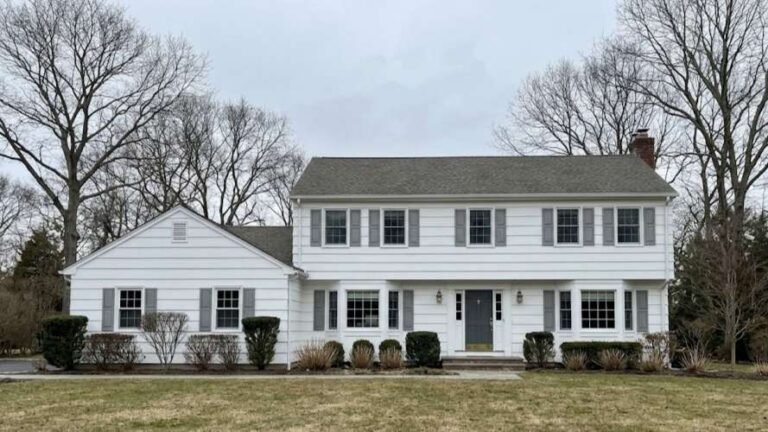
Salt air destroys hardware, siding, and caulk. A practical ROI-focused guide to addressing coastal wear before listing your North Shore or waterfront Long Island home.

Original 1920s architectural details can command a verified premium — if marketed correctly. A seller’s guide to leveraging Gold Coast provenance on Long Island’s North Shore.

First-time buyers are told earnest money shows good faith. They’re rarely told the exact conditions under which they lose it permanently. This is that explanation.

The Wisconsin Glacier retreated across Long Island roughly 20,000 years ago and left behind a mix of boulders, clay, and gravel still dictating North Shore renovation budgets. What every 1960s ranch buyer needs to know.
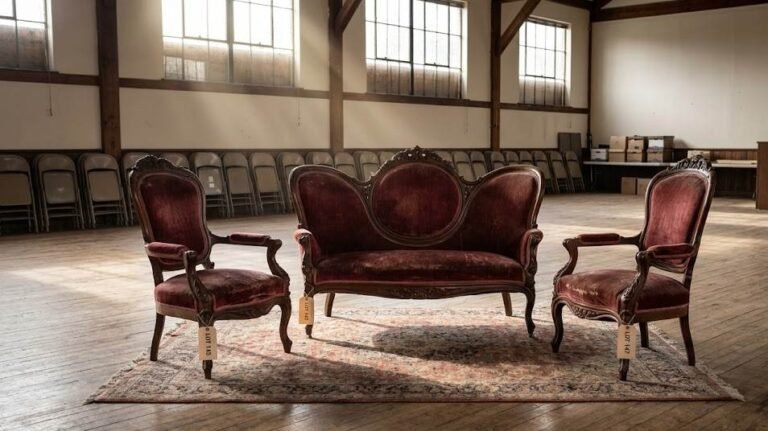
The lots that didn’t sell at Long Island’s Gold Coast estate auctions tell a sharper story about taste, value, and the art market than the hammer prices that did.

A Cold Spring Harbor estate attorney spent three decades documenting a quiet pattern: fine American craft furniture appraised low at probate, then clearing auction at multiples — with dealers who recommended the appraisers collecting the difference.
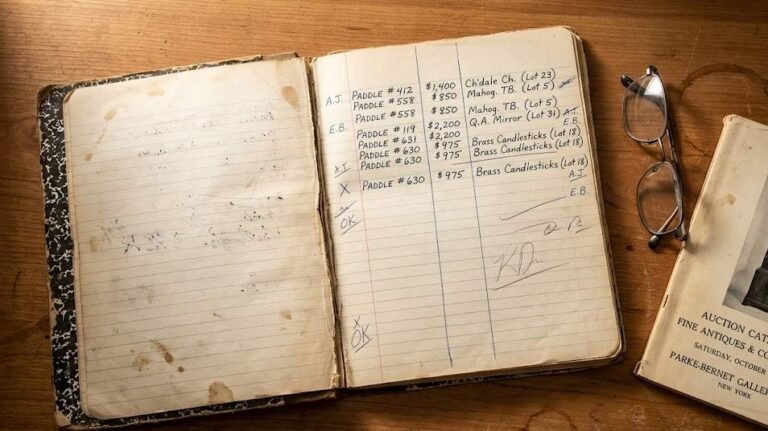
Handwritten auction notebooks kept by a Huntington antiques dealer may hold the most granular record of how Gold Coast estate furniture dispersed across Long Island after World War II.

New York’s Property Condition Disclosure Act creates legal obligations that activate before your first visitor arrives. Here’s what sellers must disclose — and what they can’t hide behind a $500 credit.