The DEC Permit Nobody Mentions at the Showing: Wetlands Regulations and Long Island Waterfront Renovation
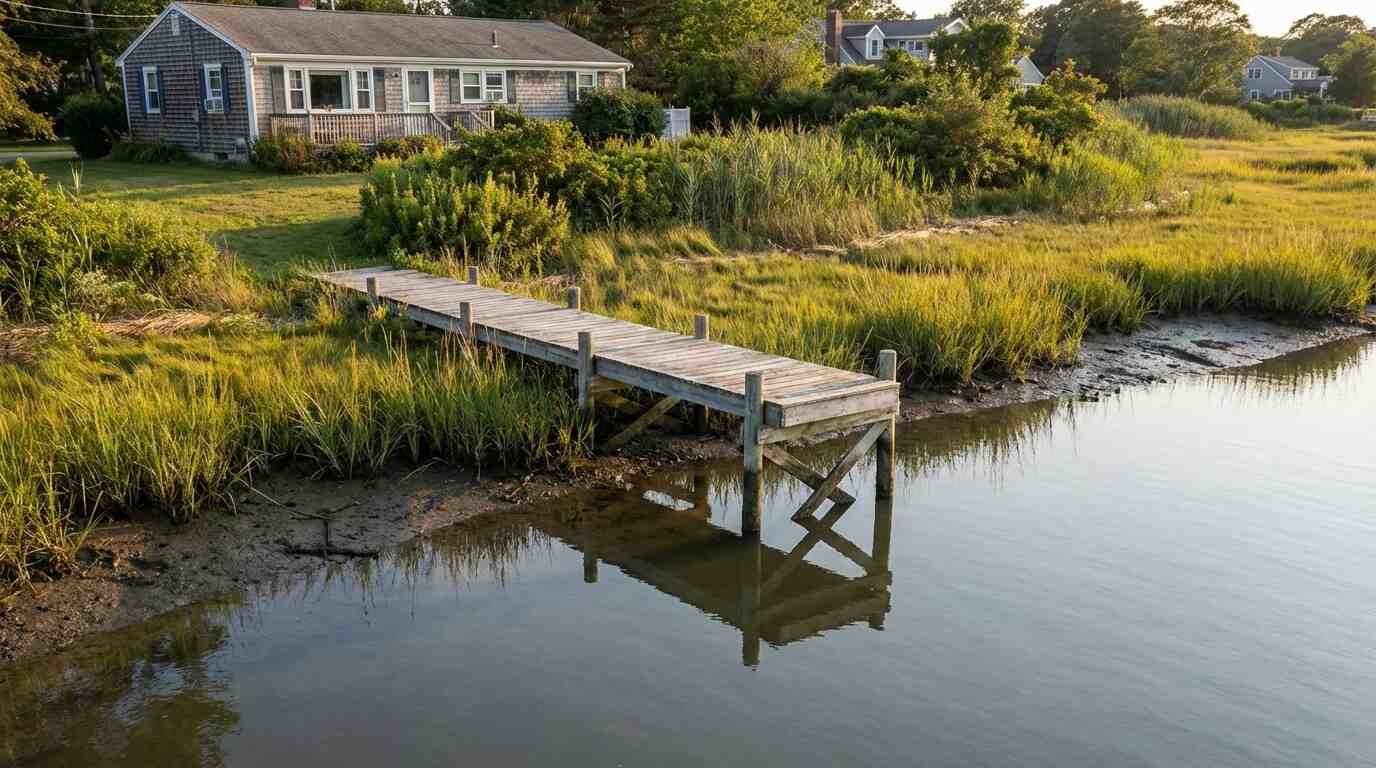
A buyer I was working with last spring found a waterfront property in Setauket that checked every box — three bedrooms, a yard that sloped down to Conscience Bay, a dock in fair condition, and a price that reflected the fact that the kitchen hadn’t been touched since the early nineties. The plan was straightforward: close, renovate the kitchen and the two bathrooms, replace the dock, and add a small patio between the house and the water.
The renovation estimate came in at a comfortable number. Then the contractor pulled out a map. The rear third of the property — including the dock, the proposed patio location, and part of the existing driveway — fell within the adjacent area of a mapped tidal wetland. Everything they wanted to do in that zone required a permit from the New York State Department of Environmental Conservation. The permitting timeline added months. The design constraints changed the patio plan entirely. The dock replacement became a major project rather than a minor one. The budget shifted by more than thirty thousand dollars.
Nobody at the showing had mentioned any of this.
The 300-Foot Line
New York’s Tidal Wetlands Act, passed in 1973, gives the DEC authority to regulate activities not just within tidal wetlands themselves — the salt marshes, mud flats, and shoreline areas subject to tidal action — but within the “adjacent area,” which extends up to 300 feet inland from the wetland boundary. On Long Island, that 300-foot line captures a significant number of waterfront and near-waterfront properties, many of whose owners have no idea they’re in a regulated zone.
The DEC’s tidal wetlands inventory was originally mapped using infrared aerial photographs taken in 1974. Those maps remain the legal baseline. They’re on file at the DEC’s Region 1 office in Stony Brook and at the Suffolk County Clerk’s office, and they can be checked before you make an offer on a property. Whether the property is in the wetland itself or merely within the adjacent area, the regulatory implications are real: the DEC requires a permit for almost any activity that alters the land, the structures, or the drainage pattern within the regulated zone.
That means the deck you want to extend, the pool you want to install, the septic system you need to replace, the driveway you want to widen, and the dock you want to rebuild — all of these may require DEC review and approval if they fall within 300 feet of a mapped tidal wetland boundary. Failure to obtain the permit before starting work exposes both the homeowner and the contractor to enforcement action, which can include stop-work orders, fines, and mandatory restoration of the disturbed area.
What Triggers the Permit
Not everything within the adjacent area requires a formal permit. The DEC distinguishes between activities that are exempt, minor projects that require a permit but follow a streamlined review, and major projects that require full review including public notice. The distinctions matter for homeowners because they determine both timeline and cost.
Routine maintenance of existing functional structures — fixing broken deck boards on a dock, for example — generally does not require a permit. But changing the footprint, dimensions, or position of that dock does. Rebuilding a structure that has deteriorated to the point where it’s no longer functional is not considered maintenance; it’s new construction, and it requires a permit.
Construction of a new dock or catwalk no wider than four feet, or installation of a floating dock under 200 square feet, qualifies as a minor project — permit required, but with a simpler review path. Most other construction activities within the adjacent area are classified as major projects, which trigger public notice requirements and longer review timelines.
The development restrictions that apply within the adjacent area include minimum setback requirements — 30 feet from the tidal wetland line for principal buildings and structures over 100 square feet, and 100 feet for septic systems. There’s also a coverage limit: no more than twenty percent of the adjacent area on a given property can be covered by structures and impervious surfaces. For a waterfront lot that’s narrow or shallow, that twenty percent cap can be the single most constraining factor in any renovation plan.
The Army Corps Layer
The DEC’s tidal wetlands permit is not the only regulatory gate. The U.S. Army Corps of Engineers maintains jurisdiction over navigable waters and their associated wetlands under the federal Clean Water Act, and a Corps permit may be required even if the DEC determines that its own permit is not needed. The two agencies’ jurisdictions overlap but are not identical. Some activities that fall outside the DEC’s adjacent area may still fall within the Corps’ jurisdiction, and vice versa.
For practical purposes, this means that a homeowner planning work near the water may need to satisfy both state and federal requirements — two separate applications, two separate review processes, and two separate sets of conditions. The DEC and the Army Corps do accept a joint application form, which reduces the paperwork somewhat, but the review timelines don’t always align. A straightforward dock replacement that the DEC might process in a few months can take substantially longer if the Corps requires its own environmental review.

What This Means for Renovation Budgets
The financial impact of DEC wetlands permitting on a renovation project is not just the cost of the permit application itself — though that cost increased in January 2023, with fees for single-family residential projects now running in the hundreds of dollars. The real budget impact comes from three sources: the design constraints that may force you to modify or abandon elements of your renovation plan; the professional fees for the environmental consultant, surveyor, and architect needed to prepare a compliant application; and the timeline delay, which on Long Island can mean missing an entire construction season.
I’ve seen renovation projects on waterfront properties in Stony Brook, Setauket, and Northport add three to six months to their timelines solely because of the DEC permitting process. For a buyer who expected to move in after a summer renovation, that delay changes the entire financial calculation — carrying costs on a property you can’t fully use, or rental expenses while you wait for the permit to clear.
The smarter approach is to build the permitting question into your due diligence before you close. During the inspection period, have your surveyor or an environmental consultant check the property against the DEC’s tidal wetlands inventory. If the property is within or adjacent to a mapped wetland, request a pre-application conference with DEC’s regional office — they’ll tell you what’s likely to be approved, what’s likely to be modified, and what’s unlikely to be permitted at all. That conversation costs you nothing, and it can save you from committing to a renovation plan that the regulatory framework won’t support.
The Properties Most Buyers Don’t Realize Are Affected
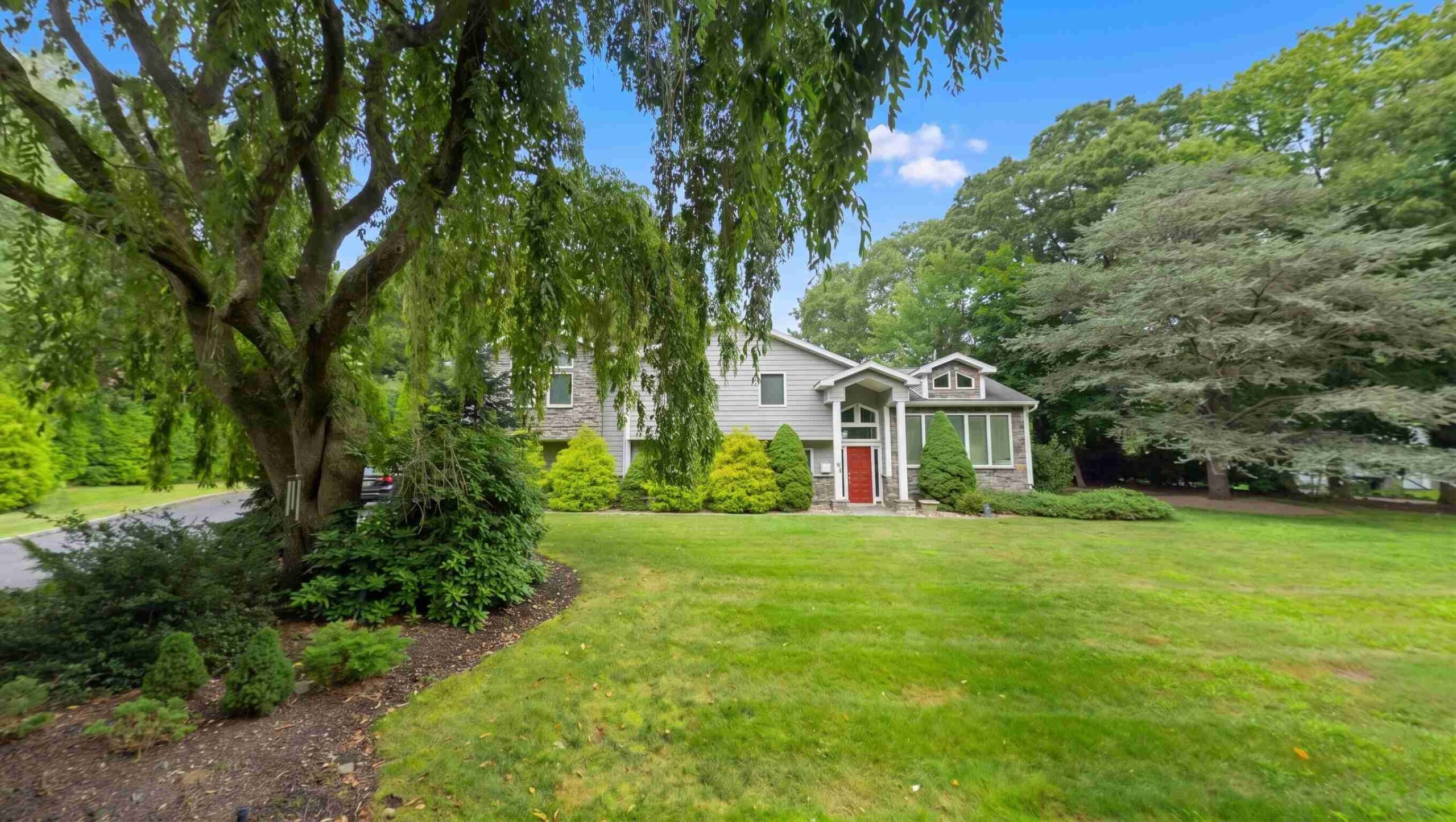
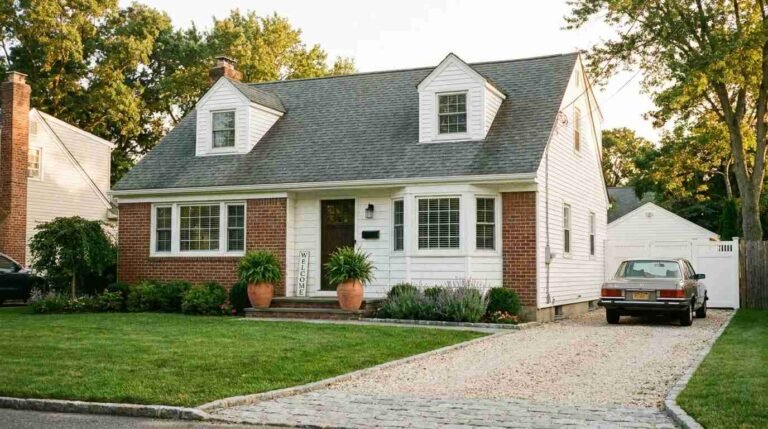
It’s easy to assume that tidal wetlands regulations only apply to properties that look like wetlands — salt marshes, muddy shorelines, cattail-ringed creeks. But the 300-foot adjacent area extends well inland from those visible features, and it captures properties that look, from the street, like ordinary residential lots. A house on a paved road in a developed neighborhood may still fall within the adjacent area if its rear lot line is close enough to a mapped tidal feature.
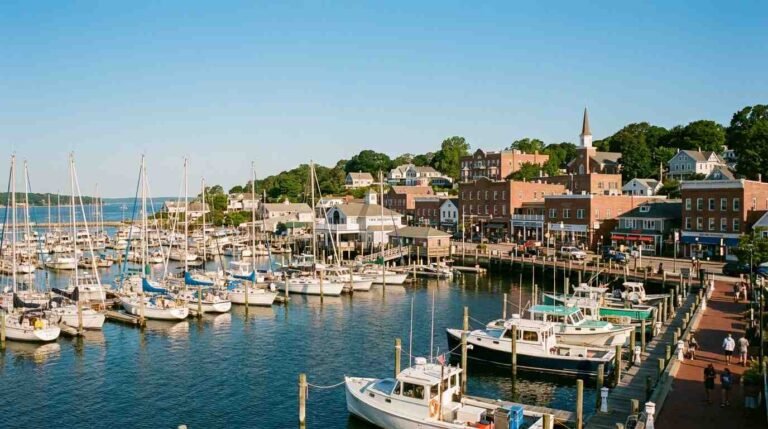
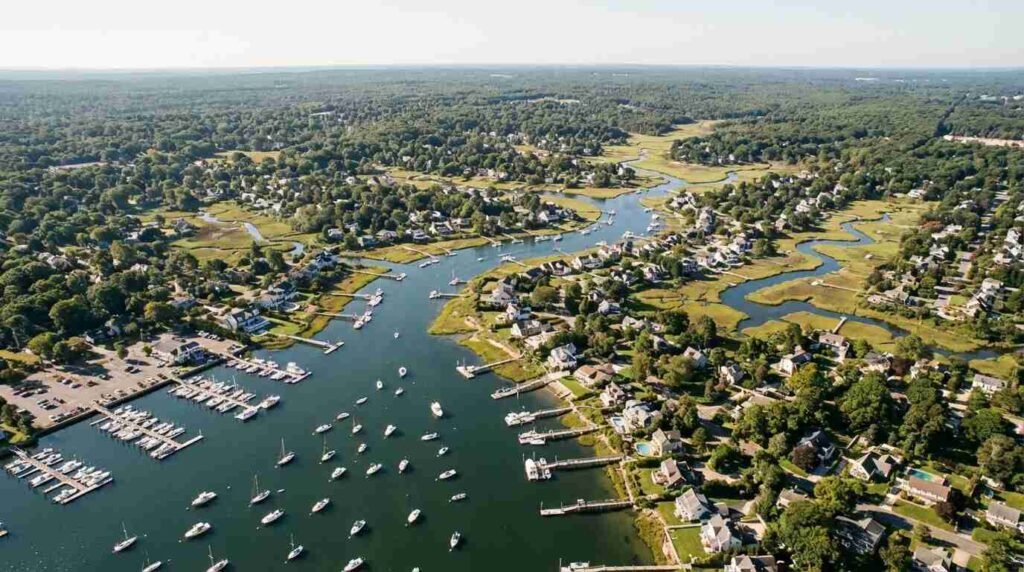
On the North Shore, this is especially common in communities built around harbors and tidal creeks — Mount Sinai, Setauket, Port Jefferson, Centerport, Cold Spring Harbor, Huntington Harbor. The tidal influence extends up the creek systems and into the harbor coves, and the 300-foot buffer from those features can encompass dozens or hundreds of properties that don’t think of themselves as “waterfront” in any meaningful sense but are nevertheless subject to the same regulatory framework.
The DEC’s maps are available for review, and checking them is a step that every buyer in these communities should take. Your real estate attorney can request a jurisdictional determination from the DEC if there’s any question about whether a property falls within the regulated area. That determination is the definitive answer — not the listing agent’s impression, not the seller’s recollection, and not the absence of any visible wetland feature on the lot.
Pawli’s Bottom Line
I’ve shown waterfront properties where everything about the house was right — the condition, the price, the views — and the DEC question was the deciding factor. Not because the regulation made the property unbuyable, but because the buyer hadn’t budgeted for it, and discovering the constraint after the offer was accepted changed the math enough to kill the deal. That’s a waste of everyone’s time, and it’s entirely preventable.
If you’re buying near the water on the North Shore — or anywhere on Long Island where tidal influence reaches — check the wetlands maps before you write an offer. Budget for the permitting process if you’re planning any exterior work. And understand that the 300-foot line is not a suggestion or a guideline; it’s a regulatory boundary with enforcement behind it. The properties within that line are often the most beautiful on the North Shore. They’re also the ones that demand the most homework.
This is for informational purposes only — consult a licensed attorney and a qualified environmental consultant for property-specific regulatory guidance.
Real estate markets change. This post reflects conditions as of April 2026. For current listings and market data, contact Pawli at Maison Pawli.
This post is part of my comprehensive guide to Buying Waterfront Property on Long Island’s North Shore: What Every Buyer Needs to Know — covering everything from flood insurance and DEC permits to bulkheads, riparian rights, and the waterfront buyer’s checklist.
You Might Also Like- Before You Touch the Bow Windows: What Preservation Easements on Gold Coast–Adjacent Properties Mean for Your Renovation Budget
- The Contractor Shortage Nobody Warned You About: Why Long Island Permits Are Taking 14 Months
- The Easement You Didn’t Know You Bought: Why Utility and Access Rights Before 1960 Are the Hidden Variables
Sources
- NYS DEC Tidal Wetlands Permit Program — https://dec.ny.gov/regulatory/permits-licenses/waterways-coastlines-wetlands/tidal-wetlands-permit-program
- NYS DEC Tidal Wetlands Categories — https://dec.ny.gov/nature/waterbodies/wetlands/tidal/categories
- NYS DEC Tidal Wetlands Permit: Do I Need a Permit? — https://dec.ny.gov/regulatory/permits-licenses/waterways-coastlines-wetlands/tidal-wetlands-permit-program/do-i-need-a-permit
- NYS DEC Tidal Wetlands Application Procedures — https://dec.ny.gov/regulatory/permits-licenses/waterways-coastlines-wetlands/tidal-wetlands-permit-program/application-procedures
- NYS DEC Coastal Erosion Management Permit Program — https://dec.ny.gov/regulatory/permits-licenses/waterways-coastlines-wetlands/coastal-erosion-management-permit-program
- NYS DEC Tidal Wetlands Inventory — https://dec.ny.gov/nature/waterbodies/wetlands/tidal