What the Suffolk County Tax Grievance Deadline Actually Means for You
This post is for informational purposes only and does not constitute legal or financial advice. For guidance specific to your property and situation, consult a licensed attorney or tax professional.
Every May, Suffolk County homeowners have a window — a narrow one — to challenge their property tax assessment. Most of them don’t use it. Some don’t know it exists. Others assume the process is complicated, adversarial, or risky. Almost none of that is true.
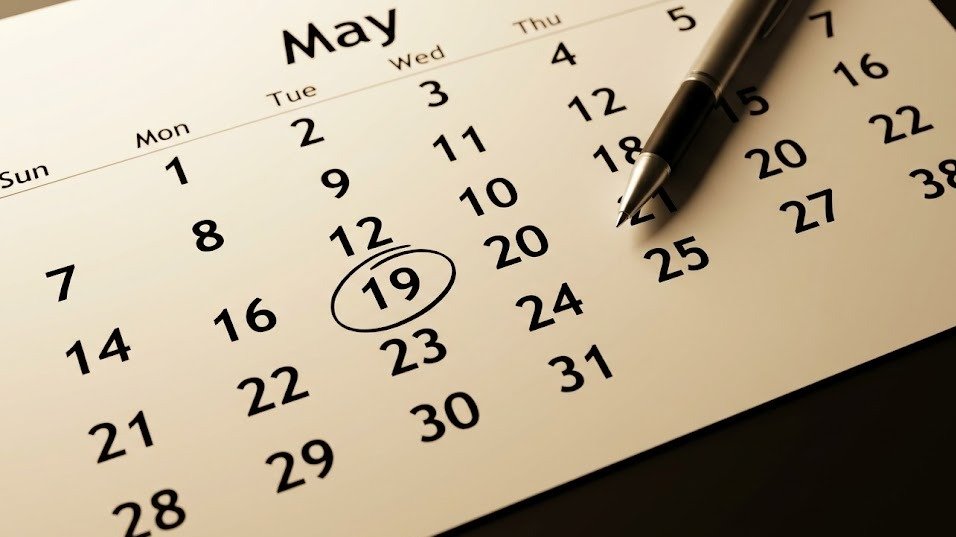
The 2026 Suffolk County property tax grievance deadline is May 19th. Filing costs you nothing if you’re denied. If you win, your taxes go down. That’s the whole value proposition, and it’s worth understanding how it works.
What a Tax Grievance Actually Is
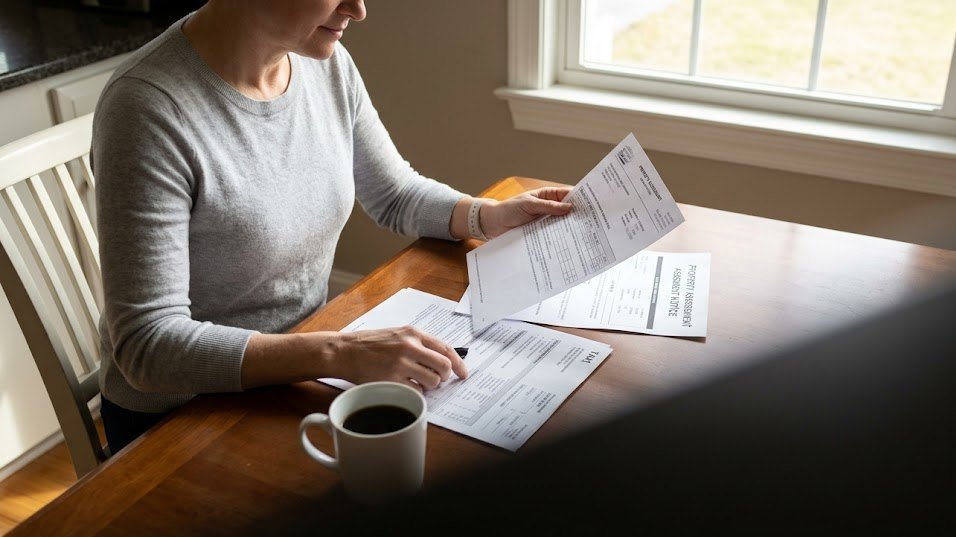
Your property tax bill is calculated based on your town assessor’s estimate of your property’s market value. That estimate isn’t always accurate. Assessors work across thousands of properties; mistakes happen. Values change faster than reassessments do. Suffolk County, unlike many jurisdictions, does not reassess properties on a regular schedule — meaning your assessment can drift further and further from actual market value over time without automatic correction.
A property tax grievance is the formal mechanism for challenging that assessment. You are not arguing with the town. You are presenting evidence — typically recent comparable sales in your area — that your home’s assessed value is higher than the market supports. If the evidence holds up, your assessment is reduced and your taxes follow.
The critical point: filing a grievance cannot raise your property taxes. If the grievance is denied, your taxes stay exactly where they are. There is no downside to filing.
The Suffolk County Timeline
The grievance window in Suffolk County is remarkably short. The tentative assessment roll is typically released around May 1st, and homeowners have only until the third Tuesday of May to file — this year, May 19, 2026. That’s roughly 18 days to review the roll, evaluate your assessment, gather comparable sales data, and submit a petition.
This compressed timeline is unique to Suffolk County. Nassau County homeowners have a filing period running from January through March. Suffolk gives you roughly half that time, which is exactly why it’s worth getting started now rather than waiting for the roll to drop.
Grievances in Suffolk County are filed at the town level — not with the county. Each of the ten towns (Brookhaven, Huntington, Smithtown, Islip, Babylon, Riverhead, Southold, Shelter Island, East Hampton, and Southampton) administers its own filing process. Some accept electronic submissions; others require in-person or mail filing. Check your town assessor’s office for the specific procedure. Missing the deadline means waiting until May 2027.
What Happens After You File
Once filed, your grievance goes to your town’s Board of Assessment Review. In practice, the board denies most administrative grievances — not necessarily because the assessment is correct, but because they have limited time to review hundreds or thousands of filings before the roll is finalized in late summer.
A denial is not the end. It opens the door to a Small Claims Assessment Review — known as SCAR — which is a judicial proceeding filed with the court, typically in July (except in Huntington, where the window runs September through October). The SCAR filing fee is $31.
SCAR proceedings typically take about a year to be calendared and resolved, but most towns seek a conference before any formal hearing, and many cases settle at that stage with a reduction in assessed value. If a reduction is granted, it applies both as a refund for taxes already paid in the grievance year and as a reduction on subsequent tax bills — until the town conducts a reassessment.
STAR Exemptions: Are You Registered?
While we’re on the subject of property tax savings, it’s worth making sure you’re getting everything you’re entitled to.
Basic STAR is available to any homeowner whose primary residence has a combined household income of $500,000 or less. For homeowners who were receiving the STAR exemption prior to 2016, it appears as a direct reduction on your school tax bill. For everyone else, New York State delivers the benefit as a STAR credit — a check or direct deposit — through registration at tax.ny.gov. New homeowners cannot apply for the exemption; they register for the credit.
Enhanced STAR provides a larger benefit for senior homeowners. To qualify for the 2026 benefit, at least one owner must be 65 or older by December 31, 2026, and the combined income of all owners and resident spouses must be $110,750 or less (based on 2024 adjusted gross income). New for 2026: if you’ve been receiving the Basic STAR exemption and you turn 65 this year, you no longer need to file a separate application — New York State will automatically notify your assessor. If you’re uncertain whether you’re receiving Enhanced STAR, contact your town assessor’s office.
Veterans’ exemptions are also available for eligible veterans and are administered at the town level. The basic alternative veterans’ exemption reduces assessed value by 15% for wartime service and by an additional 10% for combat zone service. If you served and aren’t sure whether you’re receiving this, a call to your assessor’s office is well worth the time.
Should You Hire a Firm or File Yourself?
You can file a grievance on your own — the process is administrative, not a courtroom proceeding. You’ll need to download your town’s grievance petition form, document your case with recent comparable sales, and submit before the deadline.
Many homeowners opt to work with a tax grievance firm. These firms typically work on contingency: no fee unless they secure a reduction, at which point they take a percentage of the first year’s savings. Whether you file yourself or hire a firm, the first step is the same: pull your current assessment from your town’s public records and compare it to what similar properties in your area have been selling for. If there’s a meaningful gap — your assessed value is higher than comparable recent sales would support — you likely have a case worth filing.
The Bottom Line
Long Island has some of the highest property taxes in the country. Suffolk County homeowners have one formal mechanism to challenge their assessment, and it opens for roughly 18 days each May. Filing costs nothing if denied. A reduction compounds year over year until the next reassessment.
The deadline this year is May 19th. Mark the calendar.
This post is for informational purposes only. Property tax law varies by municipality and individual circumstances. Consult a licensed attorney, CPA, or certified tax professional for advice specific to your situation.
Real estate markets change. This post reflects conditions as of April 2, 2026. For current listings and market data, contact Pawli at Maison Pawli.
Sources
Heller & Consultants Tax Grievance, 2026 Suffolk Deadline
Cobra Consulting Group, Suffolk County Grievance Process
NYS Dept. of Tax & Finance, STAR Eligibility 2026
NYS Dept. of Tax & Finance, Enhanced STAR Income Limits
Farrell Fritz, Suffolk County Tax Grievance Filing Period
BFC Tax Grievance, NY Grievance Deadlines & Filing Calendar