Sound Beach, NY — The North Shore Neighborhood Guide
Sound Beach is the North Shore’s most underestimated address — Sound-facing bluffs, Miller Place schools, and median prices still south of $500K. Here’s what serious buyers need to know.


Sound Beach is the North Shore’s most underestimated address — Sound-facing bluffs, Miller Place schools, and median prices still south of $500K. Here’s what serious buyers need to know.

Setauket and East Setauket offer colonial history, Three Village schools, and a North Shore character that has resisted every trend toward sameness. Here's what buyers need to know.

The craftsmen who built Long Island’s Gold Coast estates brought rare trades from Europe and America’s workshops. Here’s what they built, how they built it, and what survives.
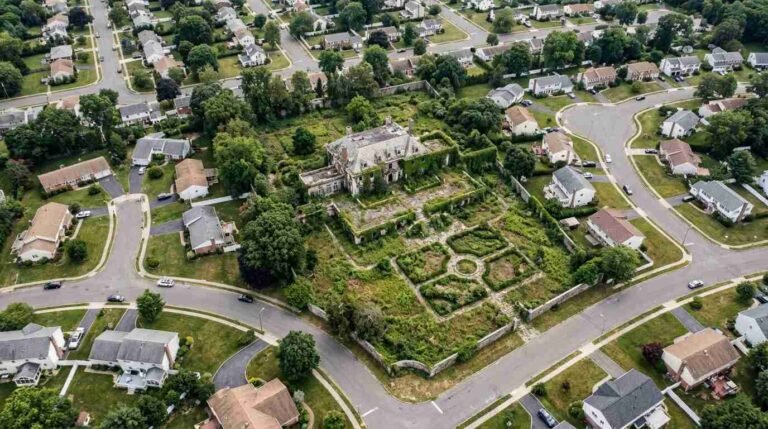
Inheritance taxes, carrying costs, and postwar subdivision pressure dismantled the Gold Coast. Here’s what happened to the estates that survived demolition — and what it means for North Shore real estate today.
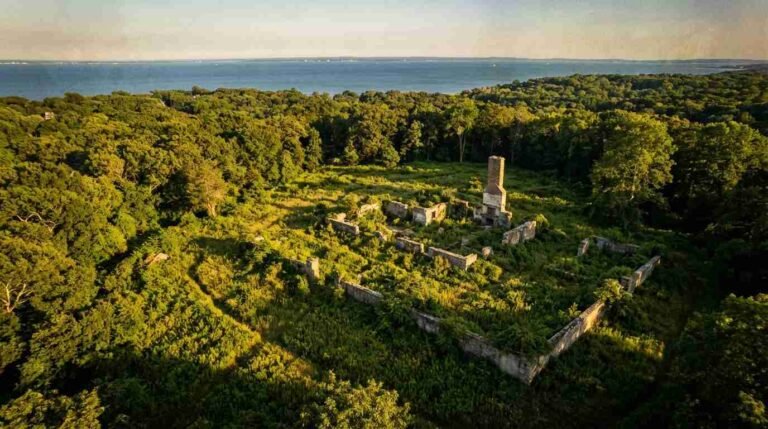
Harbor Hill was demolished in 1947. More than two-thirds of Long Island’s Gold Coast estates are gone. What their loss tells us about wealth, maintenance costs, and what preservation actually requires.

The order of operations for a North Shore renovation — what happens before permits, which trades go first, and how Suffolk County’s permit process creates delays that catch buyers off guard.

Finding a buried oil tank mid-renovation on Long Island is more common than buyers expect. Here’s what to do immediately, what DEC requires, what remediation costs, and how to protect your timeline.
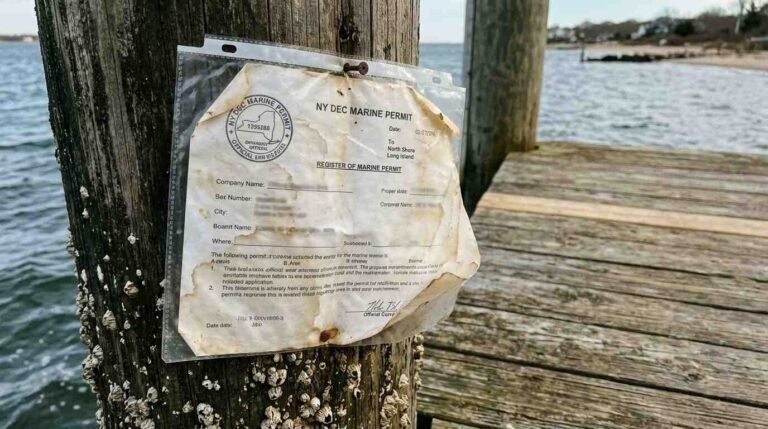
Dock rights and mooring rights are not the same thing, and neither is guaranteed by a waterfront deed. Here’s what Long Island North Shore buyers need to know before closing.

Waterfront lot surveys on Long Island’s North Shore are far more complex than standard residential surveys. Here’s what to read, what to question, and what to verify before you make an offer.
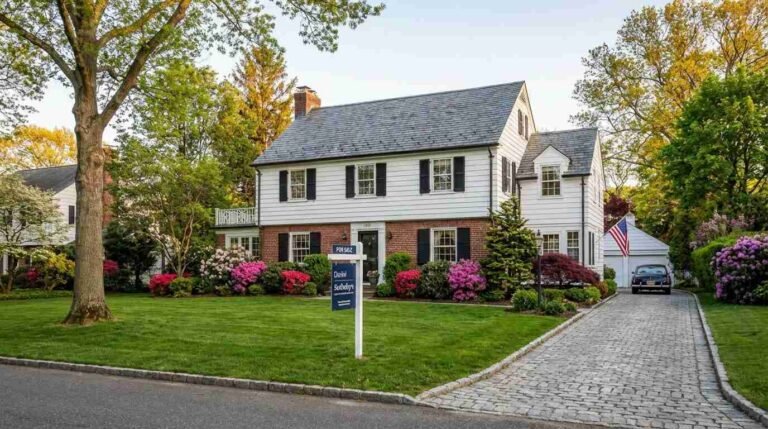
A realistic phase-by-phase calendar for North Shore Long Island sellers — from the decision to list through broker selection, prep, photography, offers, contract, and closing.