Best Villages to Live on the North Shore of Long Island
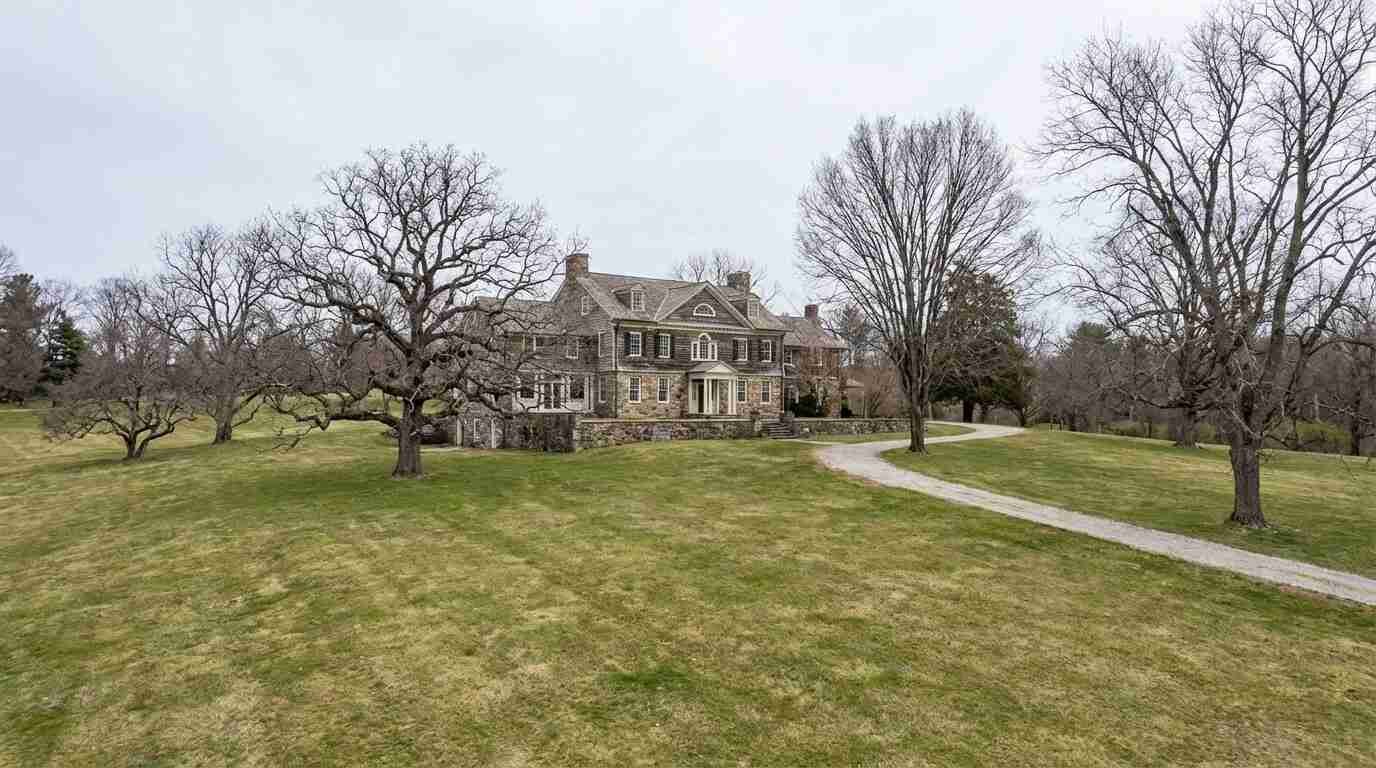
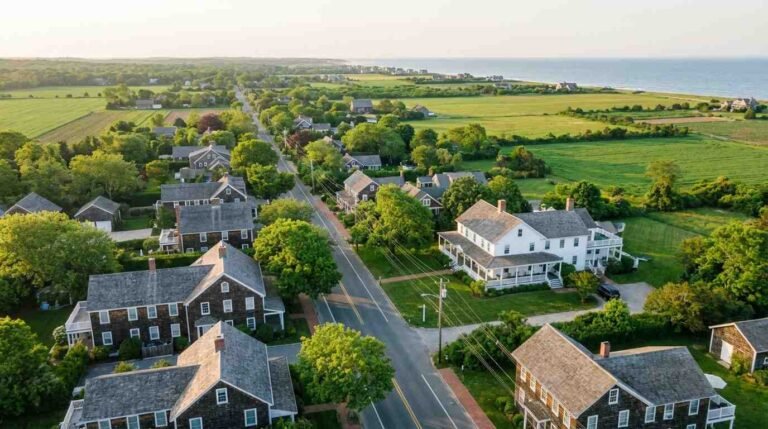
People who haven’t spent time on the North Shore tend to talk about it as though it’s one place. The Gold Coast. Old money. Big lots. And while none of that is wrong, it flattens something that is actually quite varied — a collection of villages and hamlets that sit within a few miles of each other and yet have almost nothing in common beyond the Long Island Sound at their backs.
I’ve shown houses in most of these communities over the years. I’ve driven clients through them at different hours, in different seasons, with different priorities, and watched which ones made them slow down and which ones they were through before they’d formed an opinion. The village a buyer falls in love with is almost never the one they’d named when the search started. That’s not a sales technique — it’s just what happens when the actual places replace the mental images.
This is my attempt to give you the real version, before the drive does it for you.
How North Shore Villages Are Organized
The North Shore doesn’t have a tidy grid. It is organized instead by the logic of the coastline — coves, harbors, and points that created natural gathering places, which became landings, which became villages, which eventually became incorporated entities with their own school districts, zoning codes, and tax structures.
The result is a patchwork of villages, hamlets, and incorporated areas that can be genuinely confusing to parse from the outside. A hamlet is an unincorporated community — it has a name and a character but no independent governance, falling instead under the authority of the town that contains it. An incorporated village has its own mayor, its own code enforcement, and often its own additional layer of property tax. Whether you’re buying in an incorporated village or a hamlet matters for your tax bill and for what rules govern your renovations.
School district is a separate question again — districts don’t follow village or hamlet lines. A single school district can encompass multiple villages; a single village can sit across a district boundary. This is the variable I see buyers get confused by most often, and it’s worth untangling early. I keep a close eye on how school districts drive home values across the North Shore — the pattern holds everywhere on this coast.
With those mechanics in mind, here is how I’d describe the communities that define the North Shore’s character.
Oyster Bay: History, Charm, and Genuine Community
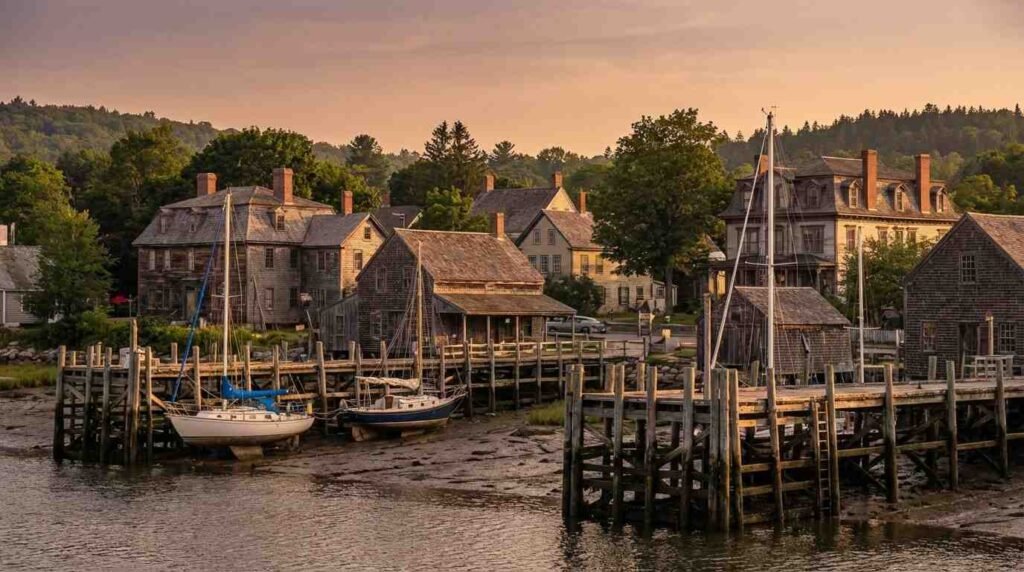
Oyster Bay is the emotional center of the Gold Coast. Theodore Roosevelt made it famous when he built Sagamore Hill here — the house is still standing, still remarkable, and worth a visit if you haven’t been. The village itself sits at the head of Oyster Bay Harbor, with a working waterfront that hasn’t been entirely aestheticized into boutique retail — there are still boats here that are used for fishing, not photography.
The housing stock in Oyster Bay village is genuinely varied: Victorian-era colonials, craftsman bungalows, postwar ranches on smaller lots, and a handful of larger estates on the village’s outer edges. The price range is correspondingly broad, from entry-level parcels in the mid-$500s to substantial waterfront properties well into the millions. The Oyster Bay–East Norwich Central School District has a strong reputation, and the LIRR’s Oyster Bay branch provides train access to Jamaica, though the service frequency is less than the Port Jefferson line.
What I appreciate about Oyster Bay, beyond the history, is that it reads as a real place — a community where people live and argue about zoning and show up to school board meetings. It hasn’t calcified into a museum of itself.
Cold Spring Harbor: Scenic Beauty Meets Village Intimacy
Cold Spring Harbor sits at the confluence of several things that make North Shore real estate valuable: a deep, protected harbor, a historic village center, a world-class research institution (Cold Spring Harbor Laboratory occupies one of the most beautiful former estate campuses on the island), and the Cold Spring Harbor Central School District, which consistently ranks among the top public school districts in New York State.
The housing stock tends toward the substantial. Cold Spring Harbor does not have many small lots or modest ranches — the character of the community runs to larger parcels, older homes with history in their walls, and a density that reads more like a European village than a suburban subdivision. There is a community beach on the harbor. There is an active downtown along Route 25A. The LIRR Cold Spring Harbor station is on the Port Jefferson branch, with service to Penn Station.
What I often tell buyers considering Cold Spring Harbor is that the school district premium is real and it is durable. I’ve watched properties here hold their value through market conditions that moved other communities significantly. That’s not an accident — it reflects what buyers are willing to pay to lock in those district assignments for their children’s entire K–12 experience.
I’ve written about the Cold Spring Harbor Fish Hatchery and the neighborhood it shaped over 140 years — it’s a good entry point into the village’s character if you want to understand where it came from before you decide where it’s going.
Locust Valley: The Quintessential Gold Coast Address
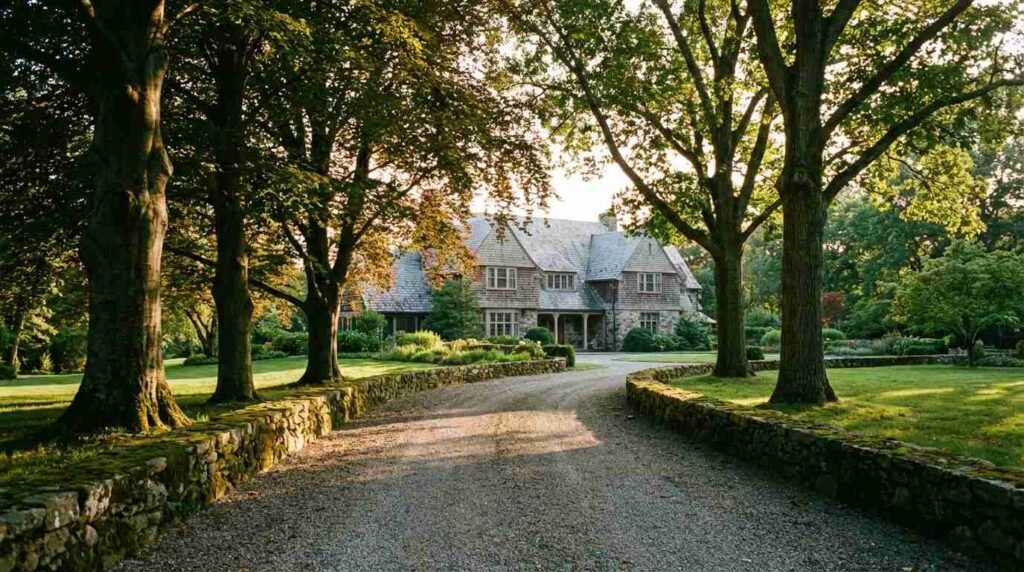
There are people in the real estate industry who use “Locust Valley” as shorthand for a certain kind of North Shore life — the long drive, the mature trees, the house that was built when building a house meant something different. They are not wrong to use it that way, even if the shorthand flattens what is actually a varied and interesting community.
Locust Valley is a hamlet in the Town of Oyster Bay, served by the Locust Valley Central School District. The housing stock ranges from the genuinely historic — Federal and Greek Revival houses from the early 19th century — to large mid-century colonials to significant estates on parcels of several acres. The village center is small and self-contained, with a handful of restaurants and shops that have been serving the same families for generations.
What Locust Valley has that its neighbors don’t is a density of surviving estate properties that still feel intact — not subdivided, not institutionalized, but still operating as private residences on their original parcels. The joinery tradition at the Matinecock Friends Meeting House shaped the craftsmen who built many of these estates, and the physical evidence of that tradition is still present in the woodwork and structural detailing of the older homes here. It’s the kind of thing you only notice if you’re looking for it, but once you know to look, you see it everywhere.
Lloyd Harbor: Waterfront Grandeur and Privacy
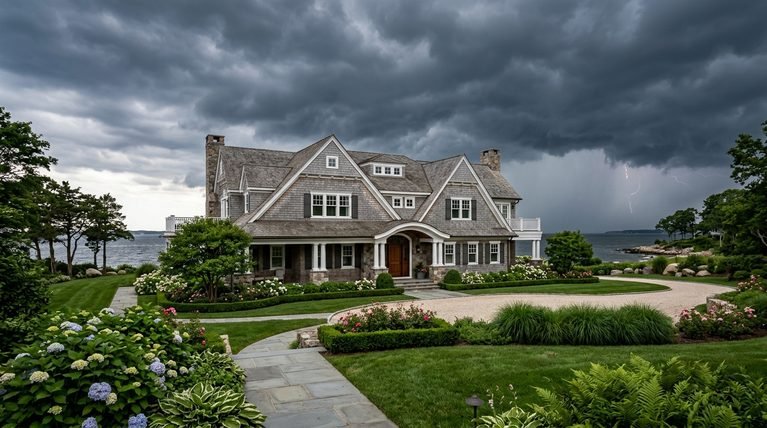
Lloyd Harbor is an incorporated village — meaning it has its own governance and code enforcement — occupying the Lloyd Neck peninsula that juts into the Sound between Cold Spring Harbor and Huntington Bay. It is one of the most private addresses on the North Shore, and its housing stock is correspondingly rarefied: large waterfront and near-waterfront properties on substantial lots, many of them with views of the Connecticut shoreline across the Sound.
The Caumsett State Historic Preserve occupies a significant portion of the Lloyd Neck peninsula — the former Marshall Field III estate, more than 1,500 acres of preserved land that gives Lloyd Harbor the character of a community with an enormous open-space buffer at its doorstep. I’ve written about Lloyd Neck’s landscape architecture and the deliberate inaccessibility the Field estate designed into its boundaries — the preserve inherited that character, and the village is richer for it.
Buyers considering Lloyd Harbor should understand that the privacy premium is real in both directions: you’ll pay for it on the way in, and the limited inventory means you’ll have pricing power on the way out. This is not a market with a lot of turnover.
Laurel Hollow: Understated Elegance and Seclusion
Laurel Hollow is the incorporated village that first-time visitors to this part of the North Shore tend to miss because it doesn’t announce itself. There is no downtown, no commercial strip, no landmark that marks the entrance. It is simply a series of roads through old-growth trees and substantial properties, with the Cold Spring Harbor Laboratory at its northwestern edge and Cold Spring Harbor itself nearby.
The village is served by the Cold Spring Harbor School District — the same high-performing district as Cold Spring Harbor proper — which means buyers here access the same educational infrastructure at parcels that often sit at a modest discount to the Cold Spring Harbor address. I’ve watched this play out over the years: Laurel Hollow offers value relative to its immediate neighbors, and sophisticated buyers who understand the district lines find it consistently appealing for that reason.
The housing stock runs large and private. Lots are rarely under an acre; many are significantly larger. The architecture tends toward the traditional — Colonials, Tudors, and the occasional modernist departure that looks appropriately startling against the surrounding conservatism.
Mill Neck and Matinecock: The Quieter Luxury Enclaves
Mill Neck and Matinecock sit east of Locust Valley and north of the Oyster Bay corridor, occupying a stretch of the North Shore that most buyers never specifically target because neither has a train station, a restaurant strip, or a landmark that pulls traffic through it. This is, depending on how you weight your priorities, a liability or an asset.
There is something in Matinecock’s history that explains its present: a community whose identity was formed around principled separateness has, century after century, managed to remain separate. The properties here reflect that — larger, older, more likely to have survived intact than comparable parcels in communities that were more welcoming of development.
Mill Neck is similarly residential, with strong connections to the water through Mill Neck Creek and Oyster Bay Harbor. Both communities are served by the Locust Valley School District.
How to Choose the Right Village for Your Lifestyle
No two buyers arrive at the same answer. The question is not which village ranks highest — it’s which village is built for the life you’re actually planning to live.
If daily train access to Manhattan is non-negotiable, you want a village on the Port Jefferson branch (Cold Spring Harbor, Huntington, Northport) or within reasonable distance of a station. If school district is the primary driver, Cold Spring Harbor and Locust Valley consistently represent the strongest combinations of academic performance and community character. If you’re looking for waterfront — direct Sound access, harbor frontage, or a parcel with water views — Lloyd Harbor and the eastern edge of Cold Spring Harbor offer the most concentrated options.
If what you want is the Gold Coast as it was — the long drive, the old trees, the house that has been a house since before anyone living can remember — then Matinecock and Laurel Hollow are where I’d point you first.
What I can tell you with confidence, after years of working this market, is that the buyers who come in with a fixed idea of which village they want are often the ones who take longest to find the right house. The ones who come in with a clear picture of how they want to live — the commute, the school, the relationship to the water, the density — tend to find their place faster. The village is the outcome of that clarity, not the premise.
If you’re starting that process, or if you’re already in it and finding the variables harder to weight than you expected, reach out. This is the work I find most satisfying: helping someone understand a market well enough that the decision feels like theirs.
Real estate markets change. This post reflects conditions as of April 2026. For current listings and market data, contact Pawli at Maison Pawli.
Sources
- Nassau County Department of Assessment — Village and Hamlet Boundaries
- New York State Education Department — School District Boundary Maps
- Niche.com — Cold Spring Harbor Central School District
- MTA LIRR — Oyster Bay and Port Jefferson Branch Schedules
- Caumsett State Historic Preserve — NYS Office of Parks
- Matinecock’s Invisible Borders
- Cold Spring Harbor’s Fish Hatchery and the Block It Built
- Lloyd Neck’s Cadastral Uncanny — Marshall Field Estate
- The Joiner’s Argument in Locust Valley
- Why Hauppauge School District Homes Hold Value