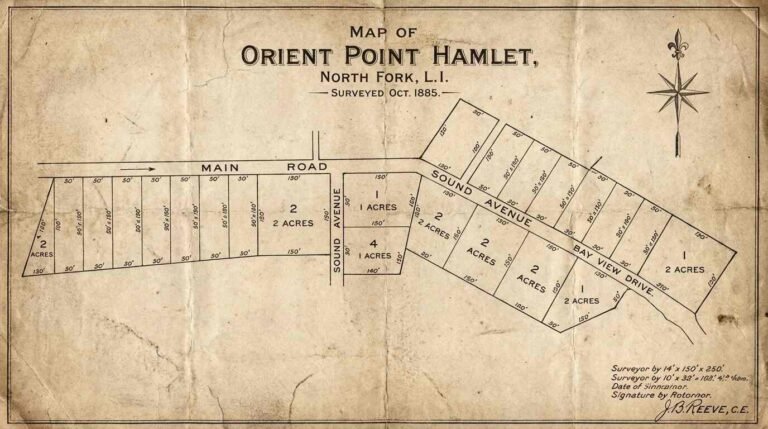
The Setauket Three and the Streets They Left Behind: What the American Revolutionary Spy Ring Still Does to Port Jefferson Area Property Values
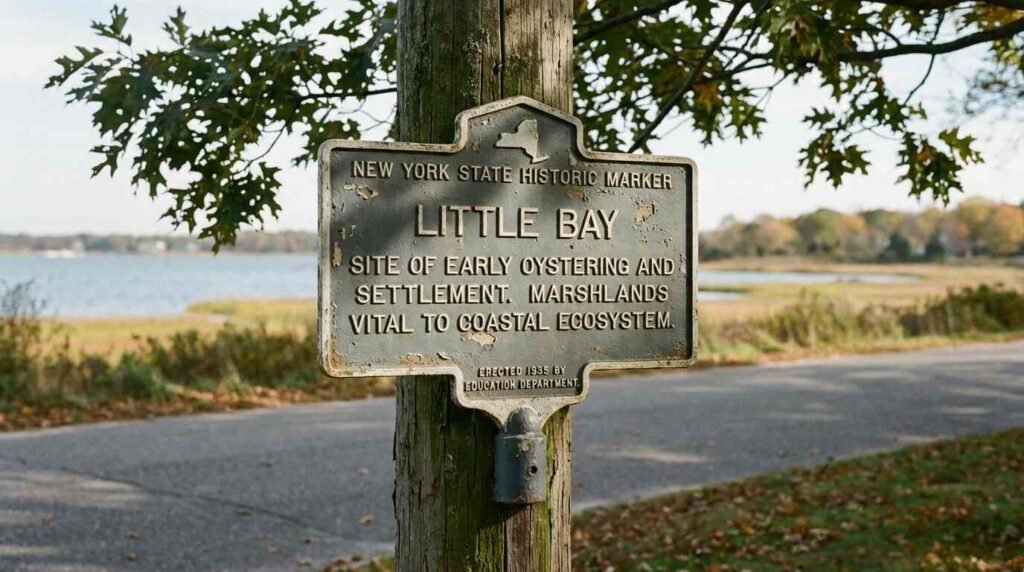
I want to tell you something about the house that no longer stands on Dyke Road.
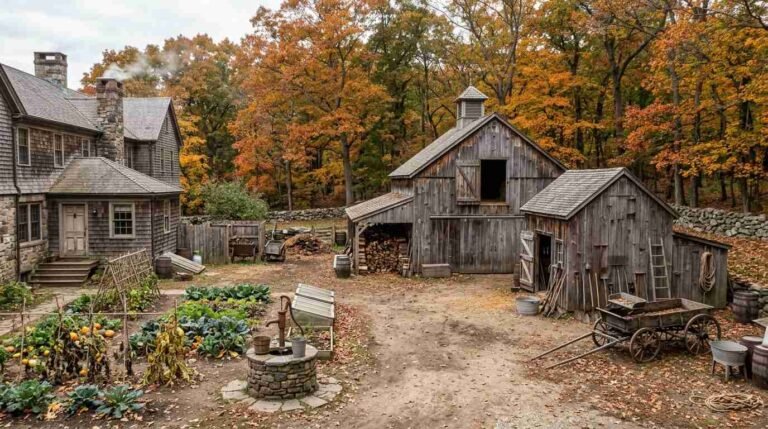
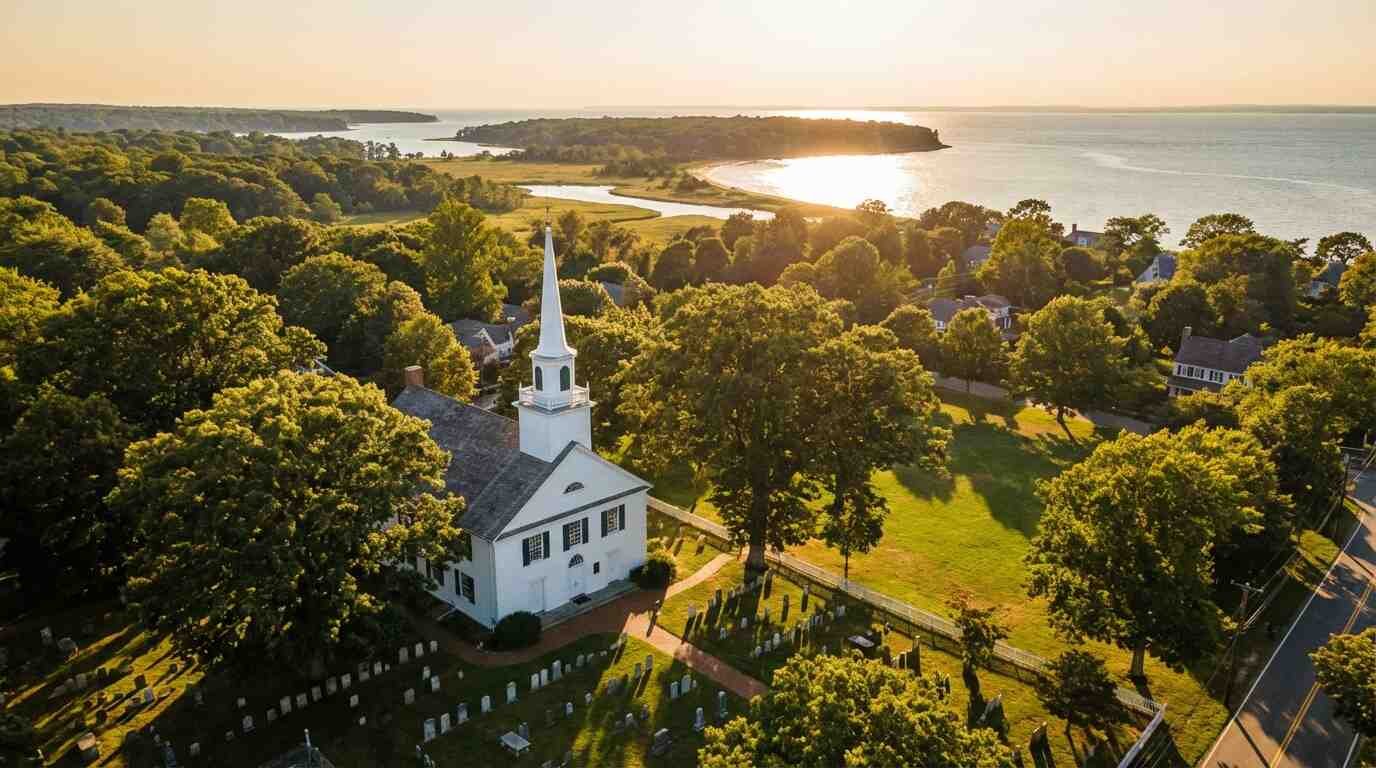
There’s a state marker there now, between Heritage and Bob’s Lane, overlooking Little Bay and Strong’s Neck. It marks the site of the Woodhull homestead — the farm where Abraham Woodhull, code name Samuel Culper Sr., gathered himself before passing encoded dispatches to a whaleboat captain named Caleb Brewster, who then rowed them across Long Island Sound to Connecticut, where they eventually reached General George Washington. The farmhouse burned in 1931. The marker replaced it. And every buyer who drives that stretch of road today, whether they know the history or not, is driving through the operational geography of the most consequential spy network in American history.
That is not a small thing. And in the 11733 zip code, it is increasingly not a small thing to the market.
The Ring, the Routes, and the Real Geography
The Culper Spy Ring was assembled in 1778 by Major Benjamin Tallmadge, born in Setauket in 1754, at the request of General Washington. Tallmadge did what any intelligence officer would do: he turned to people he trusted from childhood. Abraham Woodhull — a farmer from a prominent Setauket family — became Samuel Culper Sr. and the ring’s field director. Austin Roe, a tavern owner in East Setauket, became the courier, riding a 110-mile round trip to Manhattan and back, often weekly, collecting intelligence from Robert Townsend (Samuel Culper Jr.) in New York City. Anna Smith Strong of Strong’s Neck — “Nancy” in the ring’s code — signaled Brewster’s landing coves using a coded laundry line visible from across the bay.
What makes this history unusually potent for real estate purposes is that it is hyperlocal and physically grounded. These are not abstract battles fought somewhere else. The spy ring operated on the streets that buyers are looking at today.
The Roe Tavern site is marked by a state plaque at the corner of Route 25A and Bayview Avenue. The Brewster House, built circa 1665 and considered the oldest house in the Town of Brookhaven, still stands at 25 Brewster Lane in East Setauket. Abraham Woodhull is buried in the Setauket Presbyterian Church cemetery, which visitors can walk through any afternoon. Tallmadge’s birthplace — the house where he grew up, attended school with Woodhull and Brewster, and formed the trust network he’d later activate as an intelligence officer — still stands in Setauket at the end of Runs Road.
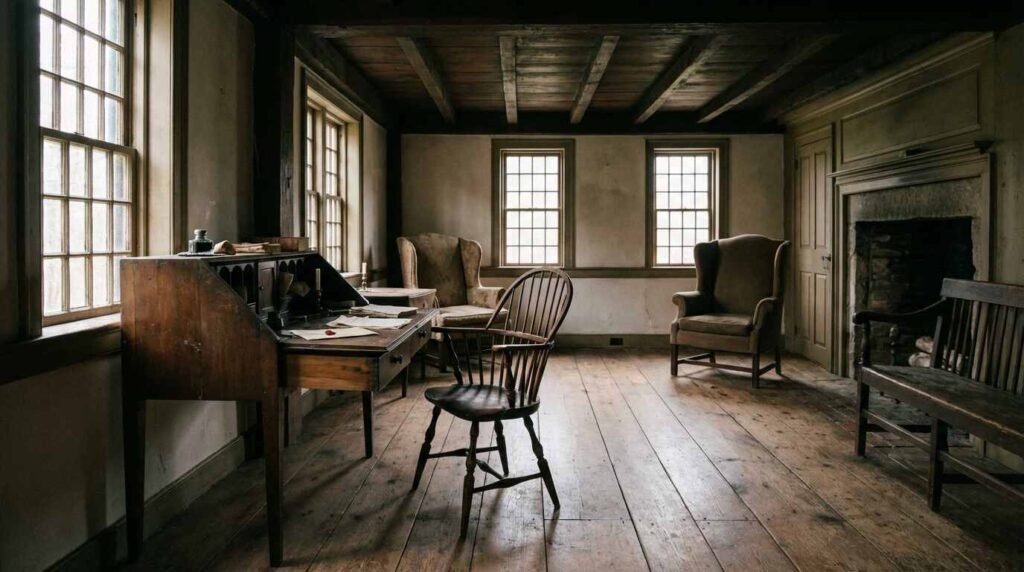
The Three Village Historical Society, at 93 North Country Road in Setauket, maintains primary source archives on the ring, including the 1779 George Washington Culper Spy letter — the only surviving letter between Tallmadge and Townsend — acquired in 2007. Stony Brook University’s Special Collections holds original Culper Ring letters. The Library of Congress Manuscript Division holds the George Washington Papers, which include the encoded dispatches that Pennypacker first decoded in his 1939 study General Washington’s Spies on Long Island and in New York. This is not local legend. This is primary-source American history, maintained in institutions that are a short drive from the listings in the 11733 zip code.
AMC’s Turn: Washington’s Spies ran from 2014 to 2017 and was based on Alexander Rose’s 2007 book Washington’s Spies: The Story of America’s First Spy Ring. It brought a different kind of buyer awareness to this area — the person who watched the show, looked up where it actually happened, and realized that the operational geography is still there, walkable, drivable, accessible. That buyer exists. And when that buyer is also a qualified relocator from a metro area who wants to live inside a named historical narrative, they have a very specific profile that serious sellers should understand.
What This Does to Demand in the 11733 Zip Code
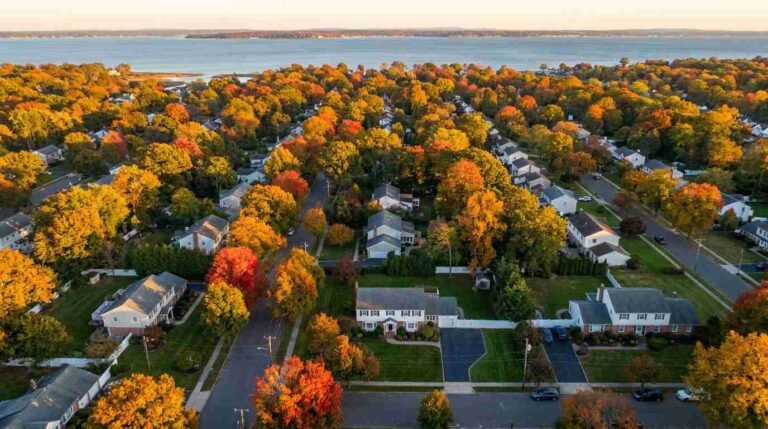
The 11733 zip code — East Setauket and Setauket — encompasses one of the more complex micro-markets on Long Island’s North Shore. According to Redfin data from early 2026, median sale prices in Setauket proper reached $1.1 million in January 2026, up 3.2% year over year. East Setauket’s median sits somewhat lower, around $699K–$724K in recent reporting, reflecting the broader mix of housing stock that ranges from modest ranches to waterfront estates. Recent sales illustrate the range: a 3-bedroom ranch on Rack Lane in East Setauket closed at $700,000 in January 2026; a 4-bedroom colonial on Daremy Lane closed at $1.315 million the same month; 24 Conscience Circle — note the street name — sold at $1.437 million in January 2026, 3% over list. The zip code had 262 sales in the prior twelve-month period, per RealtyTrac. The market is competitive, and it is not uniform.
What the Culper Ring geography adds to this picture is a buyer segment that is largely invisible in standard market analyses: the history-driven relocator. This buyer category has expanded considerably since Turn aired and since remote work freed metro buyers from proximity constraints. They are looking for a place to live that means something beyond square footage and commute time. They want to know they’re somewhere. Three Village — Setauket, East Setauket, Stony Brook — delivers that in a way very few communities on the East Coast can match. The documented history here is not reconstructed or themed. It is embedded in the original streetscape.
I’ve worked with buyers who specifically cited the Culper Ring when articulating why they wanted to be in this part of the North Shore over other comparable communities. This is not anecdote dressing. When a buyer says “I want to be where Washington’s spy ring operated,” they are describing a preference that will anchor them to a location in ways that pure lifestyle or school-district buyers may not be. History buyers are committed buyers. And committed buyers support price floors.
Where Historical Cachet Is Priced In — and Where It Isn’t Yet
Not all streets in the Three Village area carry equal historical weight in the buyer’s imagination, and that creates an interesting opportunity for sellers who understand the geography.
The streets that sit closest to documented Culper Ring sites command the most obvious premium. Properties on or near Dyke Road — with sight lines toward Little Bay and the Woodhull marker — carry the narrative weight most directly. Strong’s Neck, where Anna Smith Strong lived and signaled from, is a recognized peninsula address. North Country Road, which runs past the Three Village Historical Society and the historic church complexes, anchors the community’s identity as a heritage destination. These are not just addresses. They are coordinates on a map that historians, documentary filmmakers, and a certain category of serious buyer have already marked.
Further into East Setauket and the surrounding streets that feed Route 25A — what the Washington Spy Trail designation now formally calls the King’s Highway — the history premium is less consistently priced in. Housing stock here is mostly postwar: ranches built in the 1960s, colonials from the 1970s, high ranches typical of that era’s Long Island construction boom. The Three Village school district anchors demand across all of it, and that anchor is strong. But the history narrative, when it is actively worked into a listing’s marketing, can elevate a property in this zone into a higher demand tier than comparable housing stock on comparable streets in Miller Place or Mount Sinai, where the school districts are good but the historical narrative is thinner.
This is a marketing insight with real pricing implications. A seller on Quaker Path — the name alone has historical resonance — who does not activate the history angle in their listing is leaving something on the table. A seller on Conscience Bay Road who mentions the Brewster House and its role in the ring in their listing description is speaking directly to a buyer who may have driven that road specifically because of the history. These are not interchangeable audiences.
The Three Village School District: The Permanent Floor
The history premium is real but it operates on top of a more foundational driver: the Three Village Central School District, consistently rated among the top public school districts in New York. Stony Brook University and Hospital create an additional institutional demand base — faculty, physicians, research staff, all seeking North Shore access with good schools and the kind of community texture that a brand-new suburb doesn’t offer.
For a seller in the 11733 zip code, this layering is significant. The school-district buyer and the history buyer are not the same person, but they are not mutually exclusive either, and in this market they often overlap. A family relocating from the Upper West Side who wants excellent public schools and a community with real historical depth is not an unusual profile in Three Village. That buyer exists and they are active in this market.
How to Position a Listing Here
For sellers working with me at Maison Pawli, here is how I approach a listing in the Three Village area:
Lead with place, not just property. The address is part of the listing. “Walking distance from the Culper Spy Ring walking tour” is not a novelty line — it is a location fact that a specific and qualified buyer will search for, respond to, and pay for.
Know your documented sites. A seller who can tell a buyer that the 1779 Tallmadge-Townsend letter is on display at the Three Village Historical Society four minutes from their front door is providing something Zillow cannot. The Three Village Historical Society maintains this archive and runs public programming year-round.
Use the Route 25A designation. The Washington Spy Trail designation along Route 25A is formally recognized and signposted. A listing that references proximity to the Spy Trail is using language that appears in published tour materials, travel writing, and regional press — language that history-driven buyers are already using in their searches.
Don’t conflate the show with the history. Buyers who arrived here through Turn are already sophisticated about the distinction. The show fictionalized; the history is documented. Sellers who can speak to the primary source record — the Library of Congress papers, the TVHS archives, the Stony Brook University collection — are positioning at a higher register than sellers who reference the show. History buyers respond to this distinction.
Price the narrative correctly. The history premium is real but not unlimited. In a market where 24 Conscience Circle closes at $1.437 million 3% over list, and a ranch on Fireside Lane closes at $620,000 after 14 days on market, the range is wide. The premium for documented historical proximity is more about buyer commitment and reduced days on market than about a fixed dollar increment over comparable homes. It supports your price; it is not a substitute for accurate pricing.
The Buyer Who Reads the Plaque
There is a buyer who, when they drive through Setauket for the first time, pulls over and reads the marker on Dyke Road. They read the one at the corner of 25A and Bayview Avenue too. They stop at the Setauket Presbyterian Church and walk the cemetery. They go home and download Morton Pennypacker’s research. They may have already read Alexander Rose’s book.
That buyer is looking for a home in the 11733 zip code. They are financially qualified, emotionally committed to the location, and motivated in ways that purely transactional buyers are not. They are not buying a house. They are buying a position inside a history that they find meaningful.
This is the buyer that the Three Village market can attract that few other communities on the North Shore can match. Sellers who understand this — who have done the homework on their own address’s relationship to the Culper Ring geography — will be better positioned in every conversation they have with a buyer who reads the plaque.
If you’re preparing to list in Setauket, East Setauket, or Stony Brook and want to understand how the historical narrative factors into your pricing and marketing strategy, I’d be glad to walk through it with you. This is a market I know well, and it rewards sellers who know it too.
Real estate markets change. For current listings and market data, contact Pawli at Maison Pawli.
This is for informational purposes only — consult a licensed attorney or financial advisor for your specific situation.
You Might Also Like
- The Block That Time-Locked: Why Port Jefferson Village’s Walking Culture Survived When Every Town Around It Didn’t
- Matinecock’s Invisible Borders: How a Quaker Hamlet Kept Its Character While Everything Around It Changed
- The Covenant in the Deed: How Restrictive Covenants Shaped Long Island Neighborhoods — and What Buyers Find There Today
Sources
- Library of Congress Manuscript Division, George Washington Papers: https://www.loc.gov/collections/george-washington-papers/
- Three Village Historical Society: https://www.tvhs.org/
- Stony Brook University — Culper Spy Ring research guide: https://guides.library.stonybrook.edu/culper-spy-ring
- Long Island Museum, “The Culper Spy Letter”: https://longislandmuseum.org/exhibition/the-culper-spy-letter-a-new-discovery-at-the-long-island-museum-2/
- Washington Spy Trail: https://washingtonspytrail.com/secrets-on-the-washington-spy-trail/
- TBR News Media, Culper Spy Ring: https://tbrnewsmedia.com/tag/culper-spy-ring/
- Redfin, Setauket Housing Market: https://www.redfin.com/city/37850/NY/Setauket/housing-market
- RealtyTrac, 11733 Market Trends: https://www.realtytrac.com/market-trends/east-setauket-ny-11733/