
The Builder Fine Print: What New Construction Contracts on Long Island Don’t Tell You Upfront
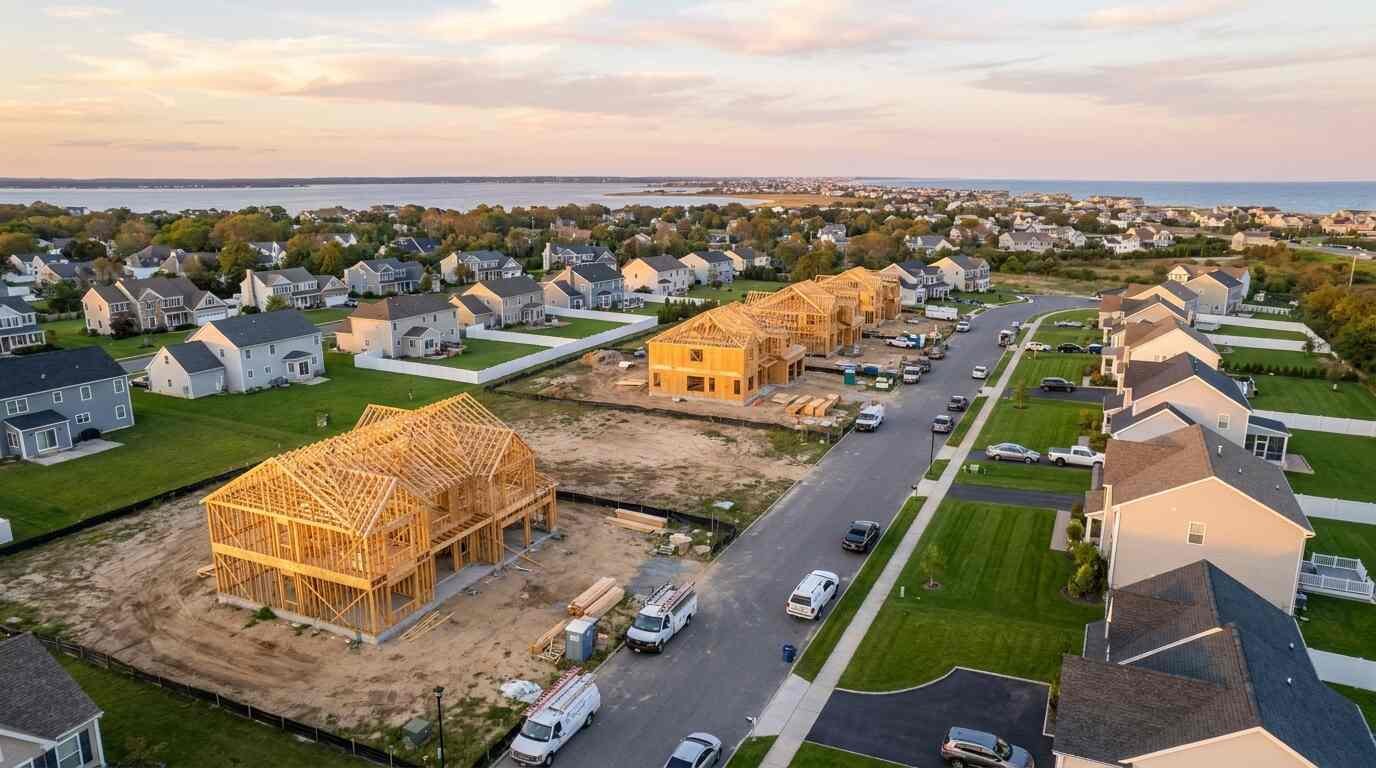
The model home is beautiful. The sales agent is warm, knowledgeable, and very good at her job. The floor plan is almost exactly what you were looking for, and the community—the landscaping, the streetlights, the promise of neighbors who are all starting fresh at the same moment—makes the whole thing feel like the right decision.
Then they hand you the contract.
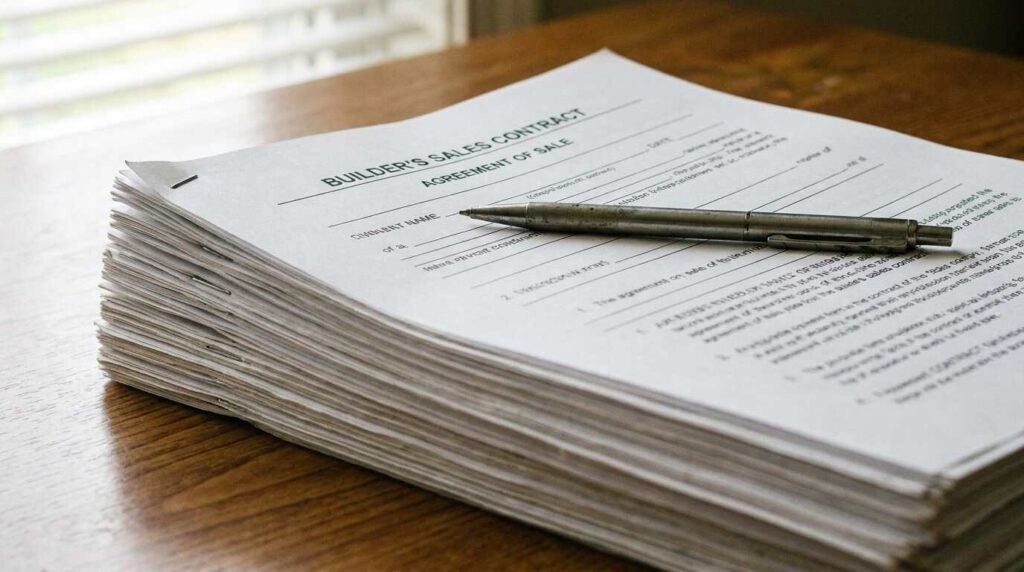
Builder contracts in New York are not the NYSBA standard form that governs resale transactions. They are documents drafted by the developer’s attorneys, revised over years of litigation and closing disputes, and optimized for one party: the builder. That is not a cynical observation; it is simply what the document is designed to do. The best thing a buyer can do—before walking the model, before choosing finishes, before getting emotionally attached to the end-unit with the extra windows—is understand what they are actually agreeing to when they sign.

Why New Construction Contracts Are Not Like Resale Contracts
When you buy a resale home in New York, the transaction is typically governed by a contract based on New York State Bar Association forms, negotiated between two attorneys, and operating within a framework of case law and disclosure requirements that have been built up over decades. The parties are, in theory, on something like equal legal footing.
A builder contract inverts this. The developer drafted it. The developer’s attorneys refined it. Every clause reflects what the developer has learned—through completed deals and disputes—about how to protect the builder’s interests at every stage of the transaction. The buyer, often without representation, is asked to review this document, perhaps with the builder’s “preferred” attorney, and sign it within a compressed window.
New York State’s Attorney General requires a Certified Plan and a Prospectus for condominium developments, which includes a substantial amount of disclosure. But single-family new construction on Long Island often operates outside the condo framework, and the disclosure standards are less comprehensive. The contract is the document, and the contract is the builder’s.
This is not a reason to walk away from new construction. It is a reason to walk in prepared.
Escalation Clauses: The Builder’s Price Hike Protection You Might Not See Coming
One of the clauses that Long Island real estate attorneys flag most consistently in new construction contracts is the escalation or cost-escalation provision. These clauses allow the builder to adjust the contract price—upward—in response to documented increases in material costs, labor costs, or both, up to a stated percentage cap.
The cap matters enormously, and buyers often don’t notice it until they read slowly. A contract that permits escalation of up to 5% on a $900,000 home means the final price could legally reach $945,000 before the developer is in breach. On a new construction timeline that can stretch twelve to eighteen months from contract to closing, material cost volatility is real—lumber, steel, and HVAC components have all shown significant price movement in recent years—and builders have learned to protect themselves contractually.
The specific builders active in Long Island markets—from larger regional developers working in Melville, Miller Place, and Riverhead to smaller custom builders on the North Shore—may have different escalation provisions, but the pattern is common. Verify specific contract language with your own attorney before signing; do not rely on the builder’s summary of any clause.
What you can do: negotiate the escalation cap down or out entirely before signing. A builder who won’t discuss the escalation clause is telling you something about the negotiation you are about to enter. A builder who will negotiate it is telling you something useful too.
The Upgrade Center Trap and How to Negotiate Before You Walk In
Most Long Island new construction developments include a design or upgrade center visit as a standard step in the process—usually scheduled after contract signing. This is where you select finishes: flooring, cabinetry, countertops, fixtures, appliances. It is also where significant cost overruns happen, systematically and by design.
The issue is structural. The base price in the contract typically includes builder-grade selections—materials and finishes that are functional but that most buyers, sitting in the upgrade center surrounded by samples, will not choose. The upgrades presented as the “standard” or “popular” options carry substantial markups above what comparable materials would cost through a retail or contractor channel. And because the upgrades are added as line items to the purchase price—often financed through the mortgage—buyers are paying interest on a granite countertop for thirty years.
The moment to negotiate is before the upgrade center appointment, not during it. Request an allowance—a set dollar amount credited toward your selections—rather than a menu of fixed-price upgrades. Ask the builder what the allowance reflects in terms of material category. Ask what happens if you want to bring your own contractor for post-closing work versus having the builder perform upgrades pre-closing. Some builders will negotiate more flexibility here than others. The ones who won’t are pricing the upgrade margin into their bottom line.
I’ve seen buyers spend more on upgrades than they spent negotiating off the base price. The upgrade center is a revenue center. Walk in knowing that.
Deposit Structures, Timelines, and What Happens When the Builder Is Late
New construction deposits on Long Island are typically structured in stages—an initial deposit at signing, a second deposit at a specified construction milestone, sometimes a third. The total deposit can reach 10% to 20% of the purchase price, and this money sits with the builder (or in escrow, if the contract requires it—confirm this) for the duration of construction.
Two things buyers should understand about deposits. First: what happens to your deposit if the builder fails to complete, goes into bankruptcy, or the project is cancelled. The contractual protections here vary significantly. In a condominium context, the AG’s office requires escrow of deposits; in single-family new construction, the requirement is less absolute. Your attorney needs to review this clause specifically and advise on the exposure.
Second: what the contract says about closing timelines—and what it says about delays. Builder contracts almost universally contain provisions giving the developer significant flexibility to extend the projected closing date without penalty. A contract that says “estimated completion Q4 2026” may also contain language allowing the builder to extend that date six months or more without triggering buyer’s remedies. If you have a lease expiration, a school year deadline, or any timing constraint that makes the closing date a hard requirement, you need to negotiate that into the contract in a way that has actual teeth.
The timeline is not a promise. The deposit is real. Understand the asymmetry.
Why You Need Your Own Attorney—Not the Builder’s Preferred Closing Attorney
Builders routinely offer buyers an incentive to use their preferred closing attorney: a credit, a rate reduction on affiliated financing, a package deal. These incentives are real in dollar terms, and some buyers take them.
Here is what the builder’s preferred attorney is not able to do: represent you adversarially to the builder. They may be perfectly capable attorneys, and they are operating within ethical rules—but they have a relationship with the developer that shapes the representation. A buyer’s independent attorney has no such constraint. They can push back on escalation clauses, negotiate deposit protections, flag timeline language, review the survey and title commitment without any deference to a builder relationship, and tell you when a clause is non-standard in a way that works against your interests.
The credit the builder offers is real. The cost of inadequate representation on a transaction this size is larger.
Under New York State law, you are entitled to retain your own attorney and have that attorney review the contract before you sign. Take that right seriously. The NYSBA has resources for finding real estate attorneys who specialize in new construction on Long Island—and an attorney who has reviewed multiple contracts from the same builder will catch things a general practitioner won’t. See How to Choose the Right Real Estate Agent on Long Island for more on the parallel question of representation—the principle that professional expertise pays for itself applies here in exactly the same way.
New construction can be a genuinely excellent choice on Long Island—newer systems, lower maintenance early on, the ability to select finishes to your taste, and in some pockets real value relative to the resale market. I’m not here to talk you out of it. I am here to tell you that the contract sitting between you and the beautiful model home needs a thorough, independent read before you touch a pen. Reach out to Maison Pawli and we can walk through what questions you should be asking before you walk back into that sales office.
This is for informational purposes only—consult a licensed real estate attorney for your specific situation before signing any new construction contract.
Real estate markets change. This post reflects conditions as of April 2026. For current listings and market data, contact Pawli at Maison Pawli.
This post is part of the Complete Guide to Buying a Home on Long Island’s North Shore series on the Maison Pawli blog.