German Village, Columbus: Property Covenant History, Architectural Review Authority, and What New Buyers Are Legally Bound By
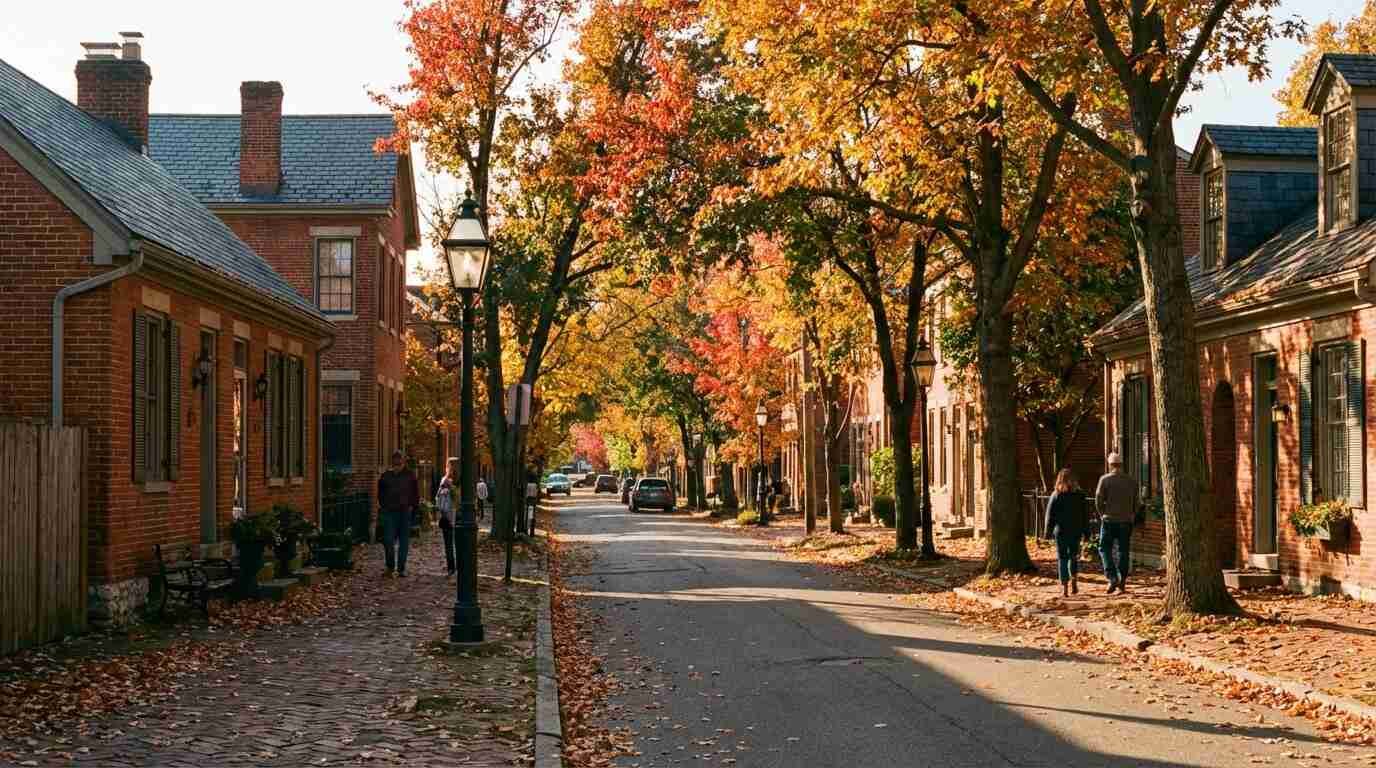
German Village sits in Columbus the way certain neighborhoods sit in their cities — slightly apart, slightly particular, generating a loyalty among its residents that suggests they’ve found something that isn’t replicated anywhere else in the metro. The brick sidewalks, the 19th-century German worker’s cottages, the urban scale that invites walking — these are the things that appear in the listings. What doesn’t appear in the listings is the legal architecture that has preserved all of it.
I’ve looked at enough markets to recognize a neighborhood that has figured something out. German Village has. Part of what it’s figured out is that preservation takes enforcement.
The National Register Designation and Its Limits
German Village was added to the National Register of Historic Places in 1974. The nomination form — a public document maintained by the Ohio State Historic Preservation Office — characterizes the district as one of the largest contiguous areas of original 19th-century brick construction remaining in the United States. The nomination identifies contributing resources, period of significance, and the architectural character that defines the district.
The National Register designation confers specific protections: federal undertakings that would adversely affect the district require Section 106 review under the National Historic Preservation Act. What it does not confer is local design review authority. A property on the National Register can, in theory, be demolished by its private owner without federal impediment — unless the property is also subject to a local historic preservation ordinance with its own enforcement mechanism.
German Village is subject to exactly that.
The German Village Commission and Columbus City Code Chapter 3116
Columbus City Code Chapter 3116 establishes the German Village Commission and grants it jurisdiction over exterior alterations, demolitions, and new construction within the German Village Historic District. The Commission is not an advisory body. Its approval is a prerequisite for any exterior change requiring a city building permit.
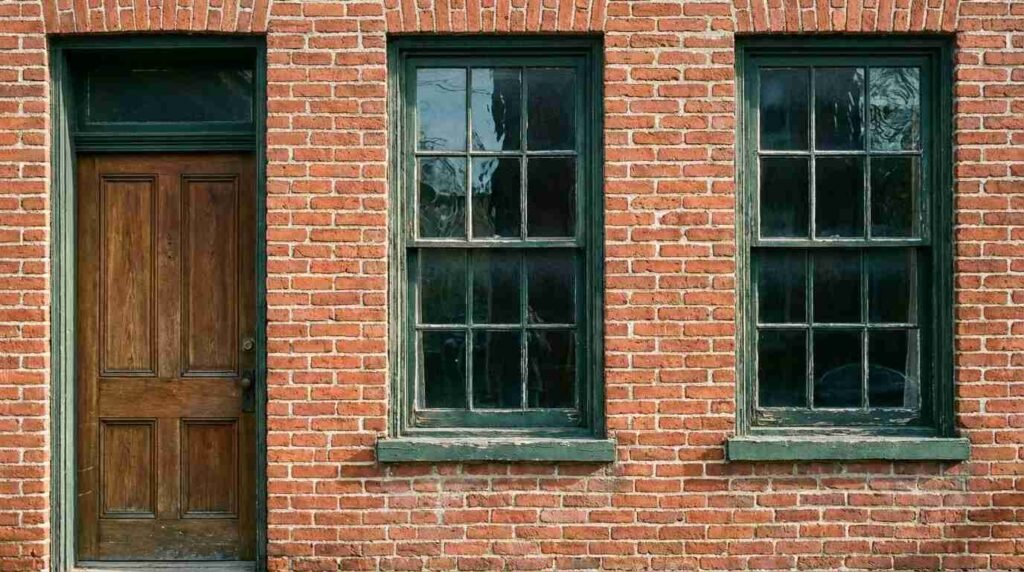
The Commission’s design guidelines — adopted by the City of Columbus and publicly available through the German Village Society — specify in detail what materials, configurations, and architectural features are appropriate for alterations within the district. Replacement windows must maintain original dimensions and profiles. Brick repointing must use mortar mixes compatible with 19th-century masonry to prevent moisture damage to original walls. Rooftop additions require specific setbacks and design review. New construction must be compatible with surrounding contributing structures in scale, materials, and massing.
These are not suggestions. They are conditions of permit issuance, backed by the city’s code enforcement authority.
The German Village Society and Covenant History
The German Village Society, founded in 1960, is one of the oldest neighborhood preservation organizations in the United States. Its founding — motivated by the threat of urban renewal demolition — directly preceded the neighborhood’s National Register nomination. The Society maintains records of architectural review decisions, restoration projects, and the ongoing negotiation between preservation standards and owner needs that defines life in any functioning historic district.
The Society’s covenant records, to the extent they exist as private preservation covenants placed on specific properties by prior owners who participated in restoration programs, represent an additional layer of legal obligation beyond the city code. Buyers should confirm through title search whether any private preservation covenant encumbers the specific parcel they’re purchasing — these are recorded instruments that survive ownership transfer and impose obligations on future owners.

The Practical Obligations of Ownership
For buyers entering German Village, the Commission’s review process should be understood before closing, not after. Routine maintenance that does not alter the exterior character of the building — repainting in the same color, in-kind replacement of roofing materials, interior work that doesn’t affect the facade — typically does not require Commission review. But the definition of “exterior alteration” is broader than most buyers anticipate.
Replacing a six-over-six wood sash window with a double-hung vinyl unit requires Commission review and will not be approved. Installing an HVAC condenser on the primary facade requires review. Changing the paint color from one documented historic color to an undocumented contemporary one may require review depending on the specific property and its prior approval history.
The Commission meets on a regular schedule, and minor alterations are often processed quickly by staff. Complex projects — additions, significant masonry work, demolition — go to full Commission review with public comment periods. Buyers planning substantial renovation should add Commission review timeline to their project schedule from the start.
Why the Legal Framework Is the Asset
The counterintuitive reality of German Village is that the regulatory structure most buyers initially find burdensome is the mechanism that has produced the asset they’re purchasing. The brick cottages, the street trees, the architectural coherence of the blocks — these have been protected by Commission enforcement across more than fifty years of property ownership turnover. Markets that lack this kind of protective apparatus lose their distinctive character to renovation decisions made without coordination or standards.
Buyers who understand this — who recognize that the Commission’s authority is part of what makes German Village what it is — tend to become exactly the kind of owners the neighborhood has always attracted. Buyers who discover it after closing tend to find it frustrating.
The documents are public. The standards are published. The Commission’s history is documented. There is no reason to be surprised by any of it — if you read them before you sign.
This post is for informational purposes only and does not constitute legal advice. Columbus City Code, German Village Commission requirements, and National Register implications vary by property and project. Consult a licensed Ohio real estate attorney before purchasing or renovating within the German Village Historic District.
Sources:
- National Register of Historic Places, German Village Nomination Form (1974): https://npgallery.nps.gov/NRHP
- Columbus City Code Chapter 3116: https://codelibrary.amlegal.com/codes/columbus/latest/columbus_oh/0-0-0-72553
- German Village Commission Design Guidelines: available through the City of Columbus Department of Development
- German Village Society: https://www.germanvillage.com
- Ohio Historic Preservation Office: https://www.ohiohistory.org/preserve/state-historic-preservation-office