Recruit Washington’s Spies Here, Then Go Home for Dinner
Abraham Woodhull ran one of the most consequential intelligence networks in American history from a Setauket farm. The documented history, stripped of the AMC dramatization.

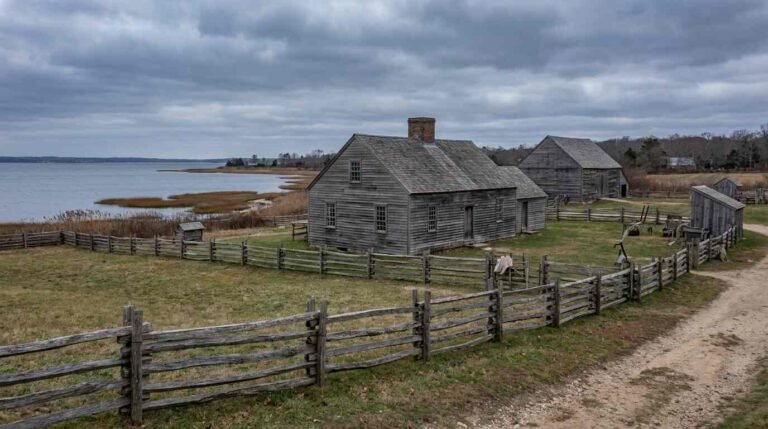
Abraham Woodhull ran one of the most consequential intelligence networks in American history from a Setauket farm. The documented history, stripped of the AMC dramatization.
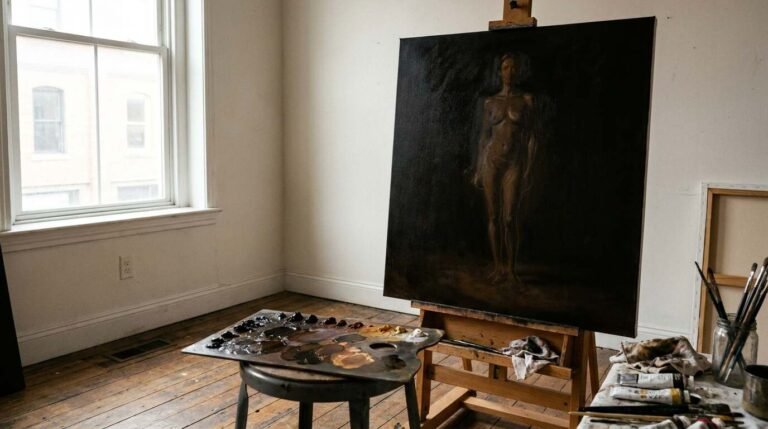
Lynette Yiadom-Boakye paints fictional Black subjects with Old Master technique. Her work sells fast and says more than most portraits ever will. Here’s why.
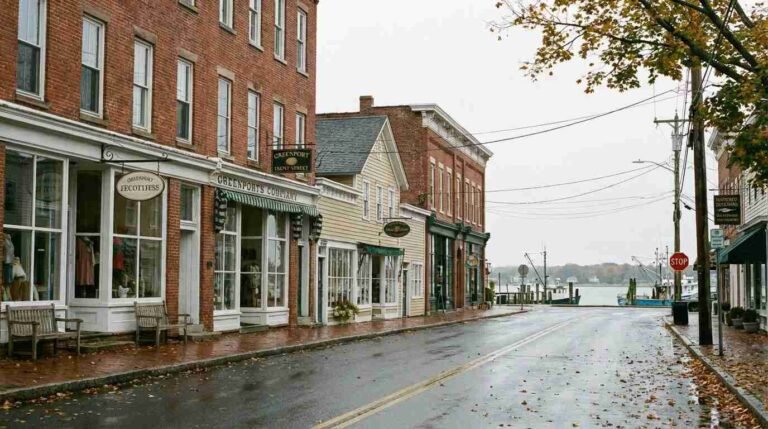
The boutique on Front Street was once a chandlery. The wine bar was a sail loft. How to read Greenport’s commercial block architecture as economic history.
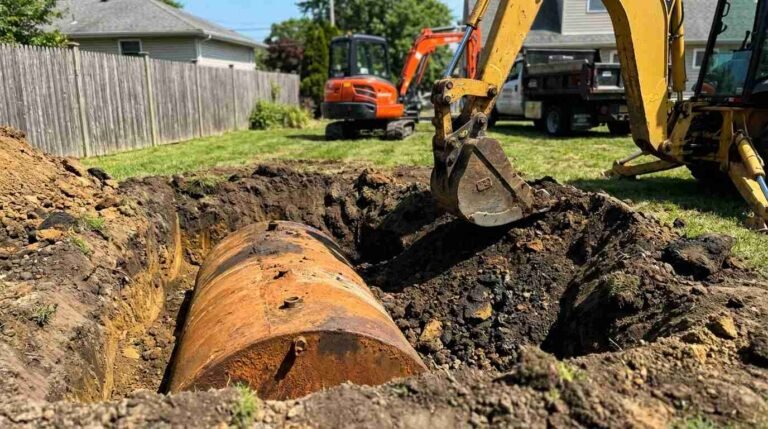
Finding a buried oil tank mid-renovation on Long Island is more common than buyers expect. Here’s what to do immediately, what DEC requires, what remediation costs, and how to protect your timeline.
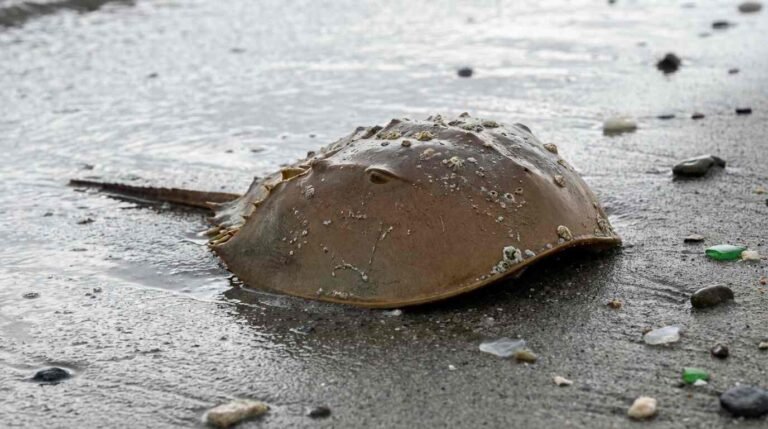
Long Island’s horseshoe crab spawning beaches are a critical but overlooked node in the Atlantic flyway. Here’s why their decline matters far beyond our shoreline.
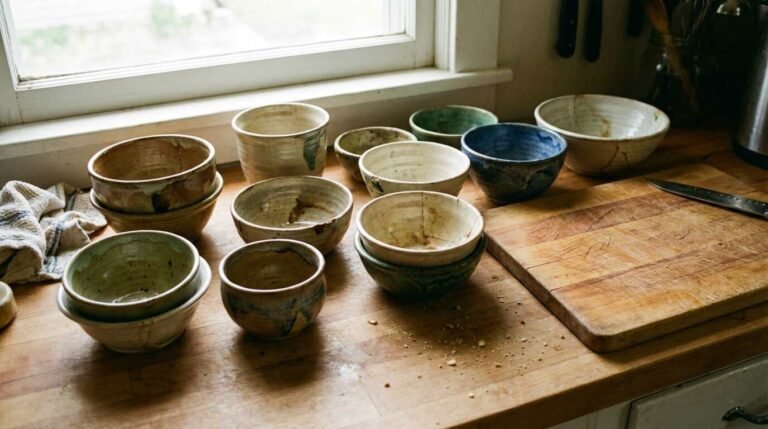
The kitchens that feel most alive right now are built around hand-thrown ceramics that accumulate history. Here’s the case for bowls that show every scar.
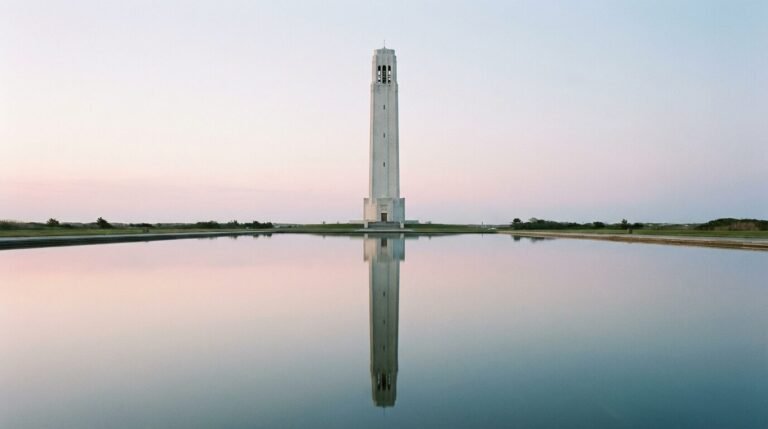
The iconic white towers at Jones Beach were never just about drowning prevention. They were command infrastructure — and the story of who they watched is written into the 1929 plans.
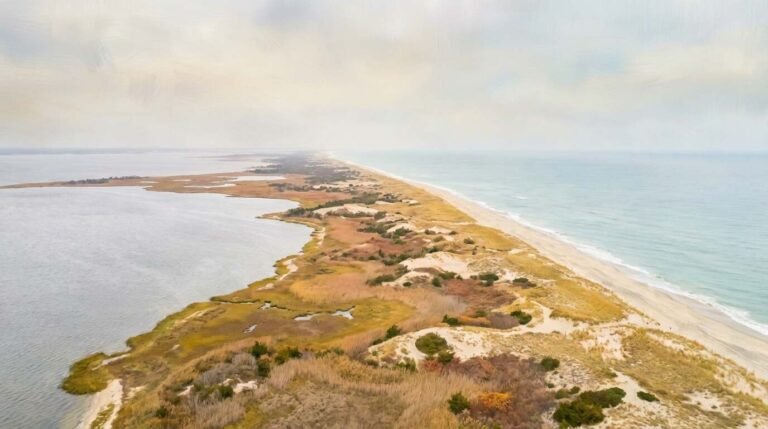
Before Robert Moses built his causeway, a shell-and-sand road ran the length of Fire Island’s bay side. Storms took it. This is what it carried with it.
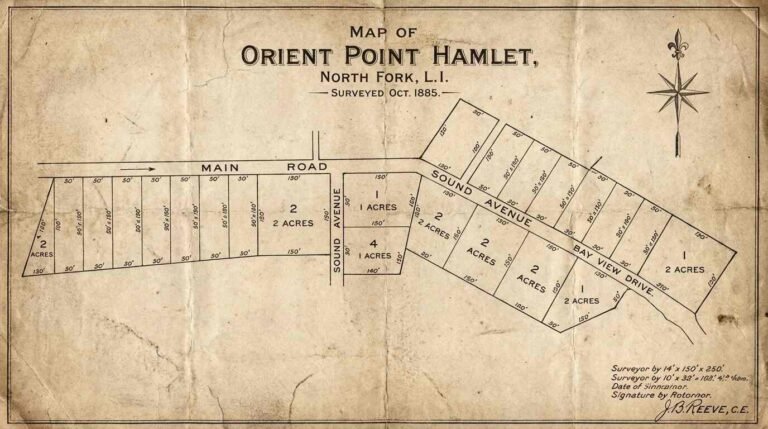
Somewhere in a Suffolk County surveyor’s file is an 1880s plat map that still determines where your fence can go in Cutchogue. Here’s what buyers need to know.
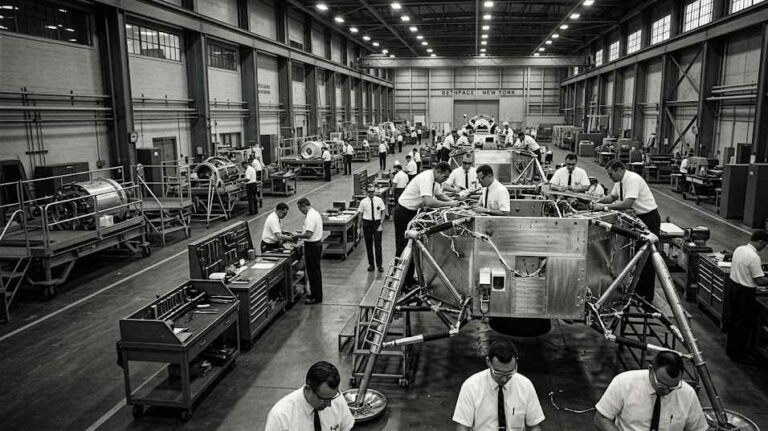
Before silicon valleys and software, Long Island engineers built the machine that landed on the moon. The Grumman Lunar Module story — right off the Seaford-Oyster Bay Expressway.