
The Complete Guide to Buying a Home on Long Island’s North Shore
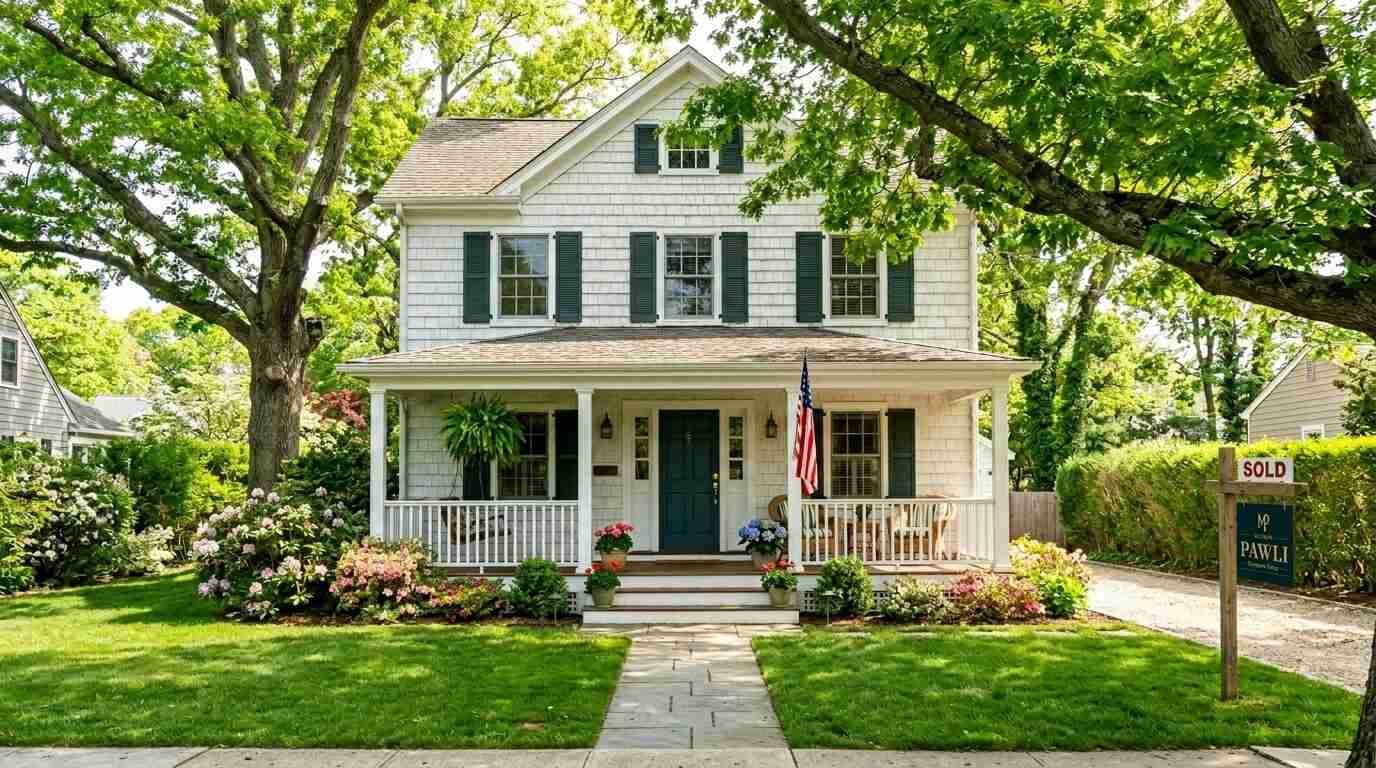
Every buyer I’ve worked with on the North Shore eventually arrives at the same moment. They’ve seen thirty houses, toured neighborhoods in three different school districts, refreshed Zillow daily for six months — and then they’re sitting across from me at a kitchen table with an offer in front of them, and they realize how much they don’t know.
That’s the nature of buying a home. It is one of the most complex financial and legal transactions most people will ever complete, wrapped inside one of the most emotional decisions they’ll ever make. The two things don’t always cooperate.
I’ve been selling real estate on Long Island’s North Shore for more than a decade. I’ve walked buyers through everything from their first condo purchase in Port Jefferson to waterfront estates in Nissequogue, from starter ranches in Miller Place to Homes in the Hamptons. What I’ve learned is that the buyers who close with confidence — who don’t get blindsided at the table, who don’t lose sleep three months after closing — are the ones who understood the process before they fell in love with a house.
This guide is for them. And for you.
It won’t replace your attorney, your lender, or your broker. What it will do is give you the framework to understand what’s happening at every stage, ask the right questions, and recognize when something isn’t right.
Before You Start Looking: The Financial Foundation
Know What You Can Actually Afford — Not What the Calculator Says
A mortgage calculator will give you a number. That number is almost always optimistic. Before you spend a weekend driving neighborhoods, sit down with a licensed mortgage professional and get pre-approved — not pre-qualified. There is a difference, and it matters.
Pre-qualification is an estimate based on information you self-report. Pre-approval is underwritten. A seller on the North Shore, where inventory is tight and competition is real, will not take an offer seriously without it.
What you’ll need: two years of tax returns, recent pay stubs, bank statements, and documentation on any other assets or debts. Get this together before you fall in love with anything.
The Mortgage Landscape Is Wider Than You Think
Most buyers default to the 30-year fixed rate conventional loan because it’s what they’ve heard of. But the North Shore’s housing stock — which skews older, more idiosyncratic, and more varied in condition — creates real opportunities for buyers willing to learn the alternatives.
The FHA 203(k) rehabilitation loan allows you to finance both the purchase and renovation costs in a single mortgage. On a North Shore where many of the most character-rich homes need work, this is underused and undersold. There are also programs specifically designed for Long Island buyers — down payment assistance, first-time buyer initiatives, and SONYMA loans — that most buyers never hear about because their lender doesn’t specialize in them. Read about the mortgage options most first-time buyers on Long Island are never shown before you commit to a product.
A word of caution on assistance programs: some down payment programs are funded year to year and can close with little warning. If you’re counting on one, get current confirmation from the administering agency directly — not from a website, not from a brochure.
Your Mortgage Pre-Approval Is Not Your Mortgage
This is a distinction that collapses more transactions than buyers expect. The mortgage commitment letter is not a loan approval. It is a conditional offer from a lender, subject to underwriting, appraisal, and a review of your financial situation at closing. Do not change jobs, open new credit accounts, or make any large purchases between pre-approval and closing. Lenders re-verify your credit and employment before funding the loan. I have seen deals fall apart in the final week because a buyer bought a car.
Understanding Long Island’s Property Landscape
Title: The Foundation of Everything
When you buy a house, what you’re really buying is a chain of ownership stretching back through every prior owner, every debt, every easement, every covenant, every court judgment that ever touched that parcel. That chain is called title. And while title insurance protects you from some of what you don’t know, it doesn’t protect you from everything — and it certainly doesn’t tell you what’s there.
What a title search actually finds — and what it doesn’t — is one of the most important things a North Shore buyer can understand before closing. Your title commitment is a document worth reading. Learning to read a chain of title is not a skill reserved for attorneys — any careful buyer can learn the basics, and the basics are often enough to spot a problem.
Easements: The Rights You’re Buying Along With the Property
Long Island’s older neighborhoods — and much of the North Shore predates 1960 — are threaded with easements that were recorded when Eisenhower was president and have never been touched since. Utility easements, access easements, drainage easements, rights-of-way for neighbors who no longer exist. Easements recorded before 1960 are among the most common hidden variables in any North Shore home purchase, and they can affect what you can build, where you can build it, and who has legal access to cross your property.
Ask your attorney to review all recorded easements before you waive contingencies. This is not an optional step.
Deed Covenants and Restrictive Language
Nassau and Suffolk County deed records contain restrictive covenants — language placed in deeds, sometimes generations ago, that limits what can be done with a property. Some of these covenants are obsolete and unenforceable. Others are not. The covenant in the deed is worth understanding before you close — particularly if you’re planning renovations, additions, or a change in use. Nassau County, in particular, has deed records with language that has created friction with FHA loan guidelines in ways that surprised buyers who didn’t review their title package carefully.
Working With a Broker: The Relationship You’re Actually In
Dual Agency — Read This Before You Sign Anything
In New York State, a buyer’s agent can represent the buyer. A seller’s agent represents the seller. When one agent or one brokerage represents both sides of the same transaction, that is dual agency — and the dual agency disclosure you signed may not mean what you think it means.
In dual agency, your agent has a legal duty to both parties simultaneously. That is not the same thing as representing you. Ask your broker directly whether they are or may become a dual agent on any property you want to offer on. The answer should inform how much you share about your top number and your motivations.
The Appraisal Gap — Know Your Exposure Before You Bid
In a competitive North Shore market, buyers sometimes offer above asking price to win a property. What many don’t realize is that their mortgage lender will only lend against the appraised value — not the contract price. If the appraisal comes in below what you offered, you face a gap: pay the difference in cash, renegotiate, or walk.
The appraisal gap addendum is a clause in your contract that addresses this directly. Used correctly, it’s a negotiating instrument that protects both parties. Used carelessly, it can obligate a buyer to cover a shortfall they haven’t budgeted for. Understand what you’re agreeing to before you sign.
The Offer and Contract Stage
Earnest Money Is a Commitment, Not a Deposit
The earnest money — typically 10% of the purchase price in New York — is not a good-faith gesture you can retrieve at will. Earnest money has a legal character entirely distinct from a standard deposit, and a buyer who walks away from a contract without a valid contingency clause is at risk of forfeiting it entirely. Know the terms of your contract before you sign — specifically, which contingencies protect your earnest money and which do not.
Contingencies: Your Contractual Escape Hatches
A contingency clause allows you to exit a contract under specified conditions without losing your earnest money. The most common: mortgage contingency, inspection contingency, and appraisal contingency.
The inspection contingency is not a formality. I’ve watched buyers waive it in hot markets to strengthen their offers, and I’ve watched some of them discover, after closing, what a professional inspector would have found in forty-five minutes. In most cases on the North Shore, waiving the inspection contingency is not a risk worth taking — but if you’re in a situation where it’s under discussion, go in with full knowledge of what you’re giving up.
Every contingency has a deadline. The contingency removal deadline is a hard stop — missing it without a written extension from the seller can invalidate the protection the contingency was designed to provide. Track these dates. Put them on your calendar on the day you go to contract.
The Inspection
What a Home Inspector Does — and Doesn’t — Find
A licensed home inspector is your first and best line of defense against expensive surprises. On the North Shore, where housing stock often dates to the mid-20th century or earlier, the list of what a good inspector is looking for is long: foundation issues, roof condition, electrical panel age, knob-and-tube wiring, HVAC systems at end of life, evidence of prior water intrusion, and the presence of materials that were standard practice in 1965 and a liability today.
Asbestos is a real and underappreciated issue in Suffolk County’s older homes. The asbestos ceiling in North Shore fixer-uppers is a budget line that doesn’t appear on the listing sheet, but it will appear on your renovation estimate if you’re buying anything built before 1980.
Oil tanks — both buried and interior — are another North Shore-specific risk. Sellers are required to disclose known tanks, but some were abandoned in place, never used again, and never disclosed because the seller genuinely didn’t know. Ask your inspector to check for evidence of a former oil heating system even if the current home runs on gas.
FHA Appraisals: An Additional Layer of Review
If you’re using an FHA loan, the property must also pass an FHA appraisal — which evaluates both value and condition. The FHA appraisal oversight structure has gaps that buyers should understand, particularly when an appraiser’s findings affect what repairs must be completed before closing.
The Closing
Closing Costs: Budget Beyond the Down Payment
Closing costs on Long Island are not trivial. Between attorney fees, title insurance, mortgage recording tax, transfer taxes, prepaid property taxes and homeowners insurance, bank fees, and miscellaneous charges, buyers should budget 2–5% of the purchase price on top of their down payment. This figure varies by loan type and purchase price. Ask your lender for a loan estimate — a standardized disclosure that itemizes expected closing costs — early in the process.
Property taxes on the North Shore vary significantly by town and school district. Hauppauge, Smithtown, and Three Village carry strong school reputations and correspondingly strong tax rates. Understanding what your annual tax bill will look like before you make an offer is not optional. Suffolk County’s STAR exemption program provides partial relief for primary residences — ask your attorney about eligibility at closing.
A Few North Shore Specifics Worth Knowing
The North Shore is not a monolith. It runs from Roslyn in the west to Wading River in the east, with entirely different market dynamics, commute profiles, school districts, and property characters at each point on that arc. Port Jefferson and its ferry access to Bridgeport commands a premium that reflects both the commute option and the village’s walkability. Cold Spring Harbor’s school district is one of the most consistently cited in the county. Mount Sinai offers Sound access and larger lots at price points that still make sense for families.
Waterfront and near-waterfront properties carry additional layers of complexity: flood insurance requirements, bulkhead condition, DEC permit constraints on any construction near wetlands, and riparian rights questions that don’t appear in a standard title search. North Shore bluff homes and erosion risk is a category of its own, as is the economics of maintaining a bulkhead on the Sound.
Fixer-uppers on the North Shore operate under a specific set of rules — the sweat equity ceiling that governs how much renovation value will appraise out, the glacial till beneath the slab that causes problems for mid-century ranch renovations, and permit delays that have stretched to fourteen months in some Suffolk County municipalities. Go in with eyes open.
Working With Maison Pawli
Maison Pawli is a boutique brokerage serving Long Island’s North Shore — Mount Sinai, Miller Place, Port Jefferson, Stony Brook, Setauket, St. James, Smithtown, Huntington, and the communities between them. We are not a volume shop. We don’t hand you off to a team member. When you work with us, you work with me — and I know this market the way a broker who has lived here, listed here, and sold here for over a decade knows it.
If you’re beginning to think about buying on the North Shore, I’m happy to talk through where you are in the process, what the market looks like right now in the specific neighborhoods you’re watching, and what your next step should be. Reach out through the Maison Pawli website — or just start reading. This blog exists to make you a more informed buyer, whether you work with us or not.
This guide is for informational purposes only. It does not constitute legal or financial advice. Consult a licensed real estate attorney and financial advisor for guidance specific to your situation.
Real estate markets change. For current listings and market data, contact Pawli at Maison Pawli.
Further Reading
- Beyond the 30-Year Fixed: Mortgage Options First-Time Buyers on Long Island Rarely Hear About
- The FHA 203(k) Loan Exists. Most First-Time Buyers Have Never Heard of It.
- Down Payment Assistance on Long Island: What Buyers Need to Know Before They Count On It
- The Easement You Didn’t Know You Bought
- What Your Title Commitment Is Actually Telling You
- What a Title Search Does Not Find
- The Covenant in the Deed: Restrictive Covenants on Long Island
- Nassau County Deed Covenants and FHA Loans
- The Dual Agency Disclosure You Signed
- The Appraisal Gap Addendum Is a Negotiating Instrument
- Earnest Money Is Not a Deposit
- The Inspection Contingency Is Not a Formality
- The Contingency Removal Deadline Is a Hard Stop
- The Mortgage Commitment Letter Is Not a Loan Approval
- The Ghost Appraiser Problem: FHA Appraisal Oversight Gaps on Long Island
Go Deeper
These posts go further on specific topics covered in this guide.
- The Home Inspection Red Flags That Matter Most on Long Island’s Older Housing Stock
- North Shore vs. South Shore: What Relocating Buyers Actually Need to Know
- How to Choose the Right Real Estate Agent on Long Island
- How Much Commission Do You Pay to Sell Your House on Long Island? The Honest Answer in 2026