Salt, Spray, and Staging: Beating Coastal Wear and Tear Before You List
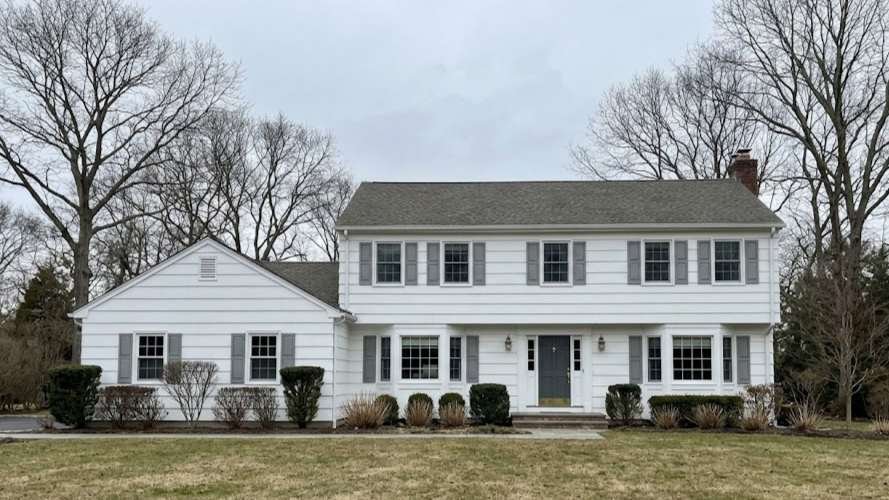
Walk up to a house on the water and look at the hardware on the front door before you look at anything else. The kickplate, the knocker, the lockset. If the brass is pitted — gray and granular where it should be warm and reflective — you have just received a piece of information that a careful buyer will also receive, and will process immediately.
Pitted brass means salt. Salt means exposure. Exposure means the question of what else on this property has been quietly absorbing the same punishment for the past however-many years.
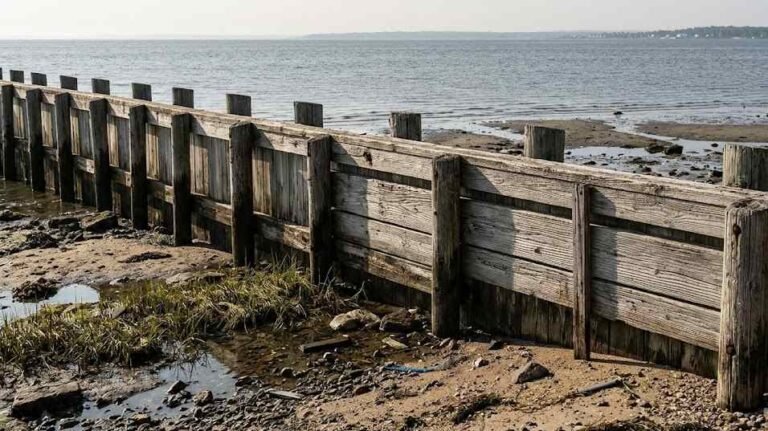
On Long Island’s North Shore and along the South Shore waterfront, coastal air is not a background condition. It is an active force on every exposed surface of a home. Airborne salinity — the salt particulate suspended in coastal breezes — accelerates the corrosion of metals, degrades exterior finishes, breaks down caulk and sealants, and works on wood in ways that are slow enough to ignore until they are expensive enough to regret. The Federal Emergency Management Agency’s Coastal Construction Manual documents the specific degradation mechanisms in detail: salt deposits on surfaces attract and retain moisture, and the combination of chloride ion and persistent humidity drives corrosion at rates significantly higher than inland conditions.
Sellers of coastal properties who have lived with this process long enough tend to stop seeing it. Buyers who are considering spending a significant sum of money on a waterfront home see nothing else.
Start Outside, Start Early
The case for beginning exterior remediation at least sixty to ninety days before your target listing date is straightforward: coastal remediation work is not cosmetic. It involves surfaces that need time to cure, finishes that need to settle, and in some cases, materials that need to be sourced and installed by tradespeople who are not always immediately available.
Exterior hardware: replace, don’t polish. Pitted marine-grade hardware cannot be restored to presentable condition through cleaning. The corrosion is not surface oxidation — it is structural damage to the metal. Replacing it with properly rated coastal hardware — marine-grade stainless steel or solid bronze — is both more effective and more legible to buyers. A new bronze kickplate and lockset read as maintenance. A polished-over-pitted lockset reads as concealment.
The hardware on a front entry, including door handle, deadbolt, kickplate, knocker, and house numbers, can be replaced comprehensively for a few hundred dollars in materials and a couple hours of labor. On a property listed at anything in the mid-six figures or above, this is not a meaningful expenditure. Its absence from a listing will be noticed.
Exterior paint and finish: assess by zone. In coastal environments, the windward face of a house — the elevation most directly exposed to prevailing salt air — will show finish degradation faster than the leeward sides. A fresh full paint job may not be necessary if the deterioration is concentrated on one or two elevations. What is not an option is listing a house with chalking, peeling, or visibly oxidized exterior paint on any elevation that photographs face or that buyers will approach.
Caulk and sealants: a systematic inspection. Salt air and UV together degrade caulk and sealant faster than inland conditions — the materials shrink, crack, and separate from the substrate, creating pathways for water infiltration that will show up in an inspection report as “evidence of moisture intrusion.” Walk every window frame, every door frame, every penetration in the exterior. Anywhere the caulk shows shrinkage, cracking, or separation from the surface, it needs to be removed and replaced with a sealant rated for exterior coastal exposure.
Windows: The Negotiation Item You Can Prevent

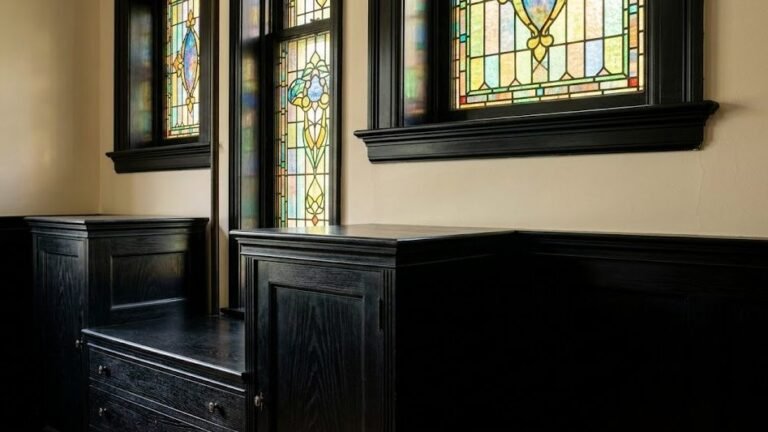
Coastal windows deserve their own section because they are the item most likely to appear on an inspection report and least likely to have been adequately addressed before listing.
Salt air etches glass over time. The etching is typically visible as a light haze or cloudiness, most apparent when sunlight hits the glass at an oblique angle. This is not a cleaning problem — it cannot be removed with standard glass cleaner. It can sometimes be addressed with professional glass polishing compounds. When it cannot, the glass needs to be replaced.
The National Association of Realtors’ remodeling impact reports consistently show that window work returns favorably at resale — partly because windows are visible, partly because buyers who find window issues in inspection tend to negotiate aggressively on the assumption that the scope of water-related work is larger than what they can see. Resolving window condition before listing removes that assumption from the table.
Interior: Where Coastal Exposure Shows Up Unexpectedly
Hardware inside the house. Cabinet pulls, interior door hardware, bathroom fixtures — anything brass or chrome in a home with regular coastal air infiltration will show accelerated tarnish and pitting on pieces closest to windows and exterior walls. Current occupants genuinely don’t see it. Buyers in a showing, opening cabinet doors and touching surfaces, notice it immediately.
Bathroom and kitchen grout. Moisture and salt together accelerate grout degradation. Cracked or stained grout reads as old and unclean regardless of its actual age. Professional grout cleaning and resealing — and regrouting where necessary — is a half-day job that transforms a bathroom without touching the tile.
HVAC system documentation. Coastal homes place higher demands on HVAC equipment due to the corrosive environment and the need for active dehumidification. Having service records current and available, and having the system professionally serviced immediately before listing, converts a buyer’s question mark into a confidence point.

The ROI Framing
The work outlined above — exterior hardware replacement, targeted exterior painting, caulk remediation, window assessment and repair, interior hardware spot replacement, and HVAC servicing — represents a scope that can typically be completed for somewhere between $3,000 and $12,000 on most North Shore coastal properties, depending on size and current condition.
What the work buys is the removal of the inspection findings and showing impressions that cause buyers to either walk or negotiate aggressively. In a coastal market where the difference between a clean offer and a discounted one can easily be $25,000 or more, the math on pre-listing maintenance is not complicated.
Ocean breezes are a genuine selling point on Long Island’s waterfront. The chemistry those breezes produce on exposed surfaces is not. The job before listing is to make sure buyers experience the first and don’t fixate on the second.
Start with the hardware on the front door. Work outward from there.
Real estate markets change. This post reflects conditions as of the publish date. For current listings and market data, contact Pawli at Maison Pawli.
This is for informational purposes only — consult a licensed contractor, home inspector, or financial advisor for your specific situation.
Sources
- Federal Emergency Management Agency (FEMA) Coastal Construction Manual: fema.gov
- National Association of Realtors — Remodeling Impact Report: nar.realtor/research-and-statistics
- Long Island Board of Realtors (LIBOR) / MLSLI: mlsli.com