Before the Open House: The Exact Pre-Listing Renovation Sequence Top Hamptons Agents Recommend
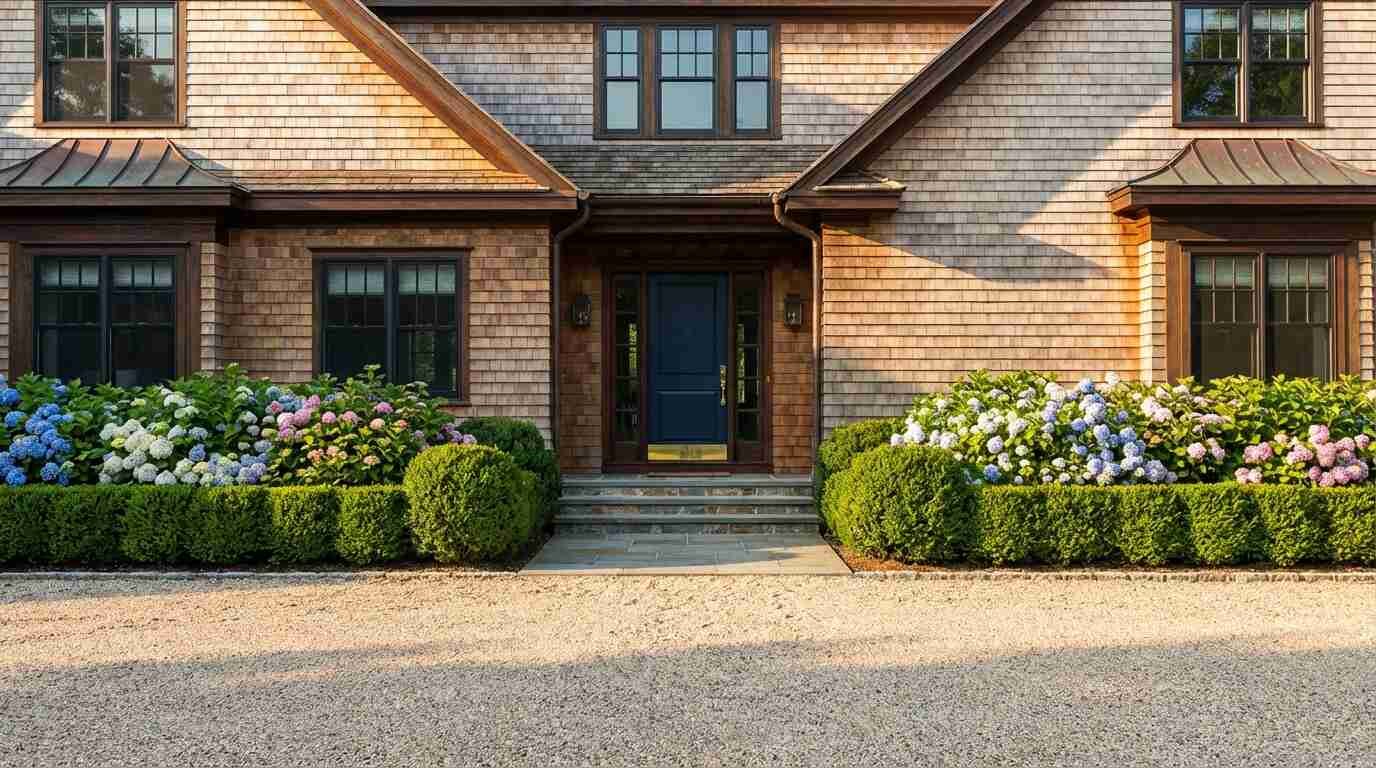
I had a conversation recently with a seller in Bridgehampton who had done what many sellers do: invested $90,000 in a kitchen renovation before listing. New counters, new appliances, new everything. The kitchen was beautiful. The buyers who came through noticed it and moved on — because the primary suite looked like it hadn’t been touched since 2004, and the first thing visible from the front door was a cracked bluestone walkway and a bed of overgrown boxwood that said maintenance deferred before anyone stepped inside.
The house sat for sixty days. They ended up doing the work they should have done first — for an additional $40,000 — and the property sold two weeks later.
The order in which you renovate before listing is not a stylistic question. In an aspirational market, it is a strategic one. And in the Hamptons, where serious buyers are calibrated to perfection before the door opens, getting the sequence wrong is an expensive mistake.
Why Sequence Matters More Than Budget
The NAR’s Profile of Home Staging has consistently documented what buyers’ agents observe on the ground: the rooms and presentation elements that most affect buyer perception are not necessarily the ones sellers prioritize. According to the 2023 data, 81% of buyers’ agents said staging makes it easier for buyers to visualize a property as their future home — but the breakdown by room is where sellers often misallocate.
The most commonly staged rooms by sellers’ agents are the living room (91%), primary bedroom (83%), and dining room (69%). The kitchen comes in at 68%. And yet, when buyers’ agents rate what actually influences a buyer’s view of a home, curb appeal and first-impression spaces — the approach, the entry, the initial sightline — function as a pre-filter for everything that follows.
In the Hamptons, this pre-filter effect is amplified. A buyer who has driven out from Manhattan, or arrived by helicopter and been driven from the East Hampton airport, has been building a mental image of this property since they saw the first listing photo. The gap between that image and what they experience at the front door sets the emotional tone for everything inside. Close that gap, and you’ve made the showing. Widen it, and no kitchen renovation will recover it.
The sequence that consistently produces the highest return in aspirational markets follows a logic: exterior → entry → primary suite → living and dining → outdoor living → kitchen last, unless critical.
Step One: The Approach and Exterior
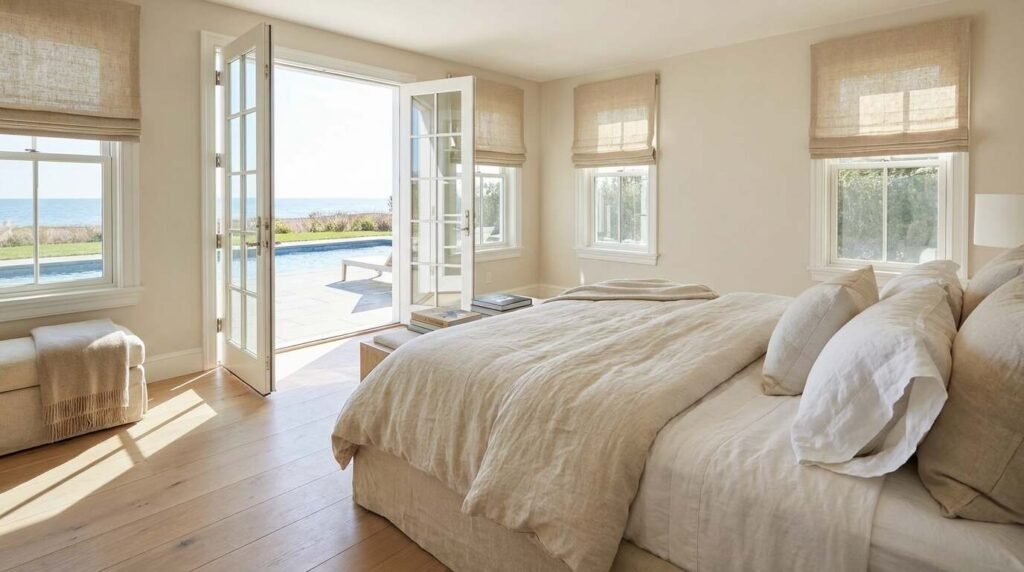
The listing photograph your buyer has studied forty times is almost certainly an exterior shot. The buyer is already living in that image. What they see when they pull up either validates or deflates it.
Before any interior work: pressure-wash the driveway and walkways, address the landscaping (fresh mulch, pruned edges, any dead plantings removed and replaced), repair or replace cracked bluestone, and assess the condition of the front door. A refinished or replaced front door is one of the highest-ROI single interventions in luxury real estate — it photographs beautifully, it reads as intentional, and it signals that the sellers have cared for the property.
If the roof, siding, or windows are visibly distressed, address them before listing or price accordingly and disclose. In a market where buyers have seen enough Hamptons inventory to know what deferred maintenance looks like, attempting to conceal exterior wear is both ineffective and counterproductive. For North Shore sellers dealing with coastal exposure and salt wear specifically, Salt, Spray, and Staging: Beating Coastal Wear and Tear Before You List covers the specifics in detail.
Step Two: The Entry and First Interior Impression
The front door opens, and a buyer has approximately eight seconds to form an impression that will shape the rest of the showing. This is not sentiment — it is documented in consumer research and experienced by every agent who has watched a buyer’s posture change the moment they step inside.
The entry sequence — foyer, sightline to the main living space, staircase if visible — needs to be clear, light, and directional. Remove anything that creates visual clutter. Repair or refinish the floors if they’re the first thing a buyer looks down at. Address the ceiling height — can it be made to feel taller with paint or lighting? Is there a fixture that dates the space by fifteen years?
In Hamptons properties specifically, the connection between interior and exterior — the window placement, the relationship of the main living room to the back lawn or water — is often the selling feature. Staging and renovation decisions in the entry and main living space should be designed to open that visual connection, not interrupt it. Pull furniture away from windows. Replace heavy drapes with linen sheers. Make it possible for a buyer to look through the house and feel the land behind it.

Step Three: The Primary Suite
If the kitchen is where sellers over-invest, the primary suite is where they chronically under-invest. According to the NAR data, 34% of buyers’ agents rank the primary bedroom as the second most important room in a showing — and in the luxury Hamptons market, this number is likely higher, given that buyers are often purchasing a property for the life it promises rather than the square footage it offers.
A primary suite that reads as a hotel — calm, clean, layered — produces a specific emotional response in a luxury buyer. It tells them the rest of the house was thought about the same way. A primary suite with builder-grade carpet from a 2006 renovation and a bathroom that hasn’t been updated since tells a buyer the opposite: that if they buy this property, they’ll be doing the work they can see, plus the work they can’t.
In the Hamptons, primary suite renovation for sale should prioritize: hardwood or stone floors if not already present, a white or cream linen palette that photographs well in any light, updated bathroom fixtures (particularly the primary shower), and high-quality bedding and window treatments that are neutral enough to serve any buyer’s taste. This is not about your style — it’s about removing barriers to a buyer’s imagination.
Step Four: Outdoor Living
The Hamptons buyer is buying the outside. They will use the outdoor living spaces more hours of the day, across more months of the year, than almost any room inside. The pool area, the outdoor kitchen or grill station, the dining terrace, the kitchen garden if present — these are not secondary elements. They are often the reason.
Clean, repair, or replace pool decking before photographs are taken. Pressure-wash the outdoor furniture if it’s staying, or stage it with rental pieces that read as aspirational. An outdoor kitchen in poor condition photographs worse than no outdoor kitchen — it suggests neglect rather than lifestyle. The firepit, the pergola, the bocce court in the corner of the property: all of it should look maintained and intentional.
Outdoor staging for the Hamptons market should lean into the season — linen cushions on teak furniture, a folded blanket on a chaise for October showings, a citrus tree in a large terracotta pot near the entrance to the outdoor dining area. The goal is to make a buyer feel the Saturday afternoon they could be having here.
Step Five: The Kitchen — Last and Only If Necessary
The kitchen is where sellers arrive last in the sequence and often spend the most money relative to return. The NAR staging data shows that buyers’ agents rank the kitchen third in importance — behind the living room and the primary bedroom — and yet it consistently receives disproportionate pre-sale investment.
In the Hamptons luxury market, buyers who are spending $4M and above often intend to renovate the kitchen to their specific standard regardless of what exists. Spending $150,000 to put in a kitchen that a buyer will rip out in eighteen months produces negative ROI. The exception: a kitchen that is actively deterring offers — visibly dated, in poor repair, with appliances that are failing. In that case, a targeted refresh (new appliances, cabinet fronts, hardware, countertop) may be warranted. A full renovation rarely is.
I’ve written about the kitchen renovation trap before in the context of North Shore fixer-uppers — The $40,000 Mistake: Why Long Island Fixer-Upper Buyers Keep Gutting Kitchens They Should Have Kept — and the dynamic applies with even more force in luxury markets where buyer preferences are more specific and renovation budgets are rarely a constraint.
For a broader look at what the full selling process entails on Long Island — costs, timing, and strategic choices — Ready to Sell Your Home? Here’s What You Need to Know is a useful starting point before beginning any pre-listing investment.
The Light, Scent, and Sound Layer
The sequence above addresses the structural and visual elements of a pre-listing preparation. There is a final layer — subtler, equally important — that the best-producing Hamptons agents address in the 48 hours before a showing.
Light: Walk the property at the time your showings are scheduled. Identify every dark corner and address it — recessed lighting on dimmers, table lamps placed for warmth, natural light maximized through clean windows and clear sight lines. Luxury properties that feel dark feel smaller and less valuable. Properties that feel bright feel larger than their square footage.
Scent: A Hamptons property should smell like clean linen and mild cedar, or like nothing at all. Plug-in air fresheners and synthetic candles signal concealment. Fresh flowers in the kitchen and a lightly scented room spray in the primary suite — something clean, not sweet — produce the impression of a well-maintained home.
Sound: Showings in the Hamptons sometimes happen with exterior noise — highway proximity, nearby construction, a neighbor’s landscaper. A playlist on low volume — classical guitar, ambient acoustic — gives buyers something neutral to fill the silence and softens any exterior noise. This is a detail that costs nothing and has a measurable effect on how long buyers linger.
NAR data shows that buyers spend an average of 40 minutes in staged homes, compared to just six in vacant ones. Every minute a buyer spends in your property is a minute they’re writing the next chapter of their life in it. The preparation sequence is designed to earn those minutes — and keep them.
Real estate markets change. For current listings and market data, contact Pawli at Maison Pawli.
This is for informational purposes only — consult a licensed attorney or financial advisor for your specific situation.
Sources
- NAR 2023 Profile of Home Staging: nar.realtor
- NAR 2025 Profile of Home Staging Update: nar.realtor
- Real Estate Staging Association (RESA) ROI Data, via Raleigh Realty compilation: raleighrealty.com
- Charter Home Staging — Home Staging Statistics 2024: charterhomestaging.com