Selling History: How to Price and Market North Shore Pre-War Details
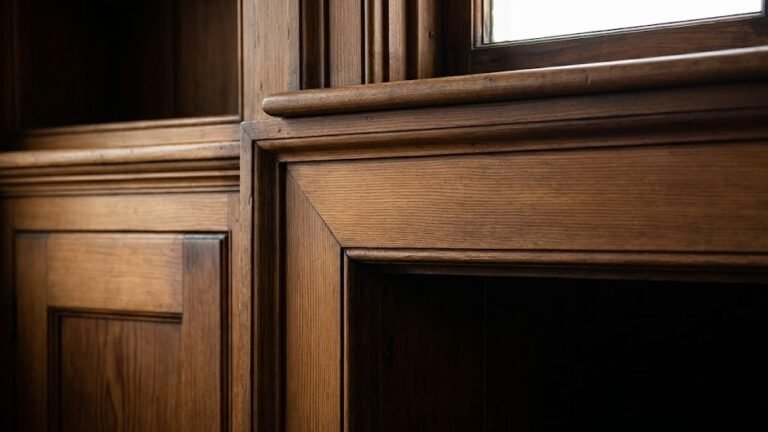
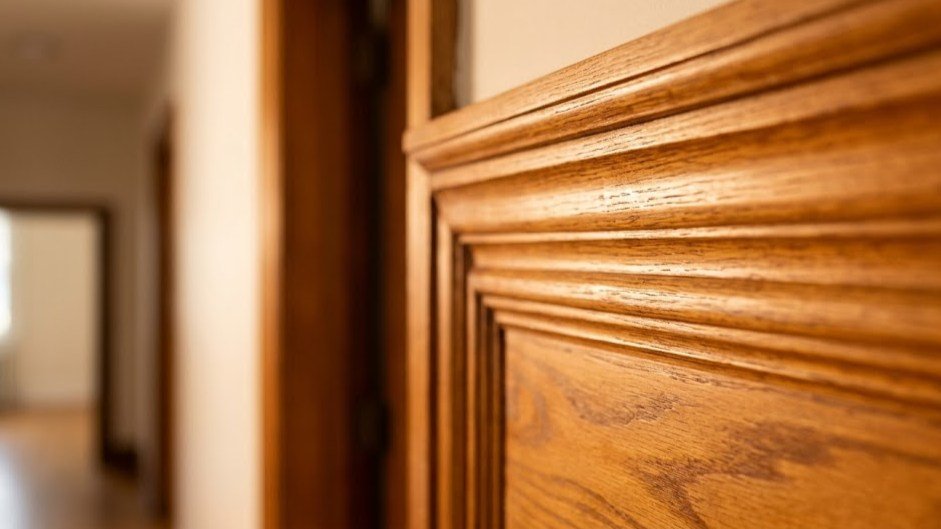
The molding around the doorframe is original. You can tell because it’s slightly asymmetrical — cut by hand, not stamped by machine — and because the profile is a cove-and-bead pattern that no one has produced in volume since the 1940s. The homeowner knows this. The question is whether a buyer will, and whether that knowledge will show up in the final number.
On the North Shore of Long Island, this is not a hypothetical. It is the actual conversation sellers of pre-war homes need to be having right now — with their brokers, their stagers, and themselves.
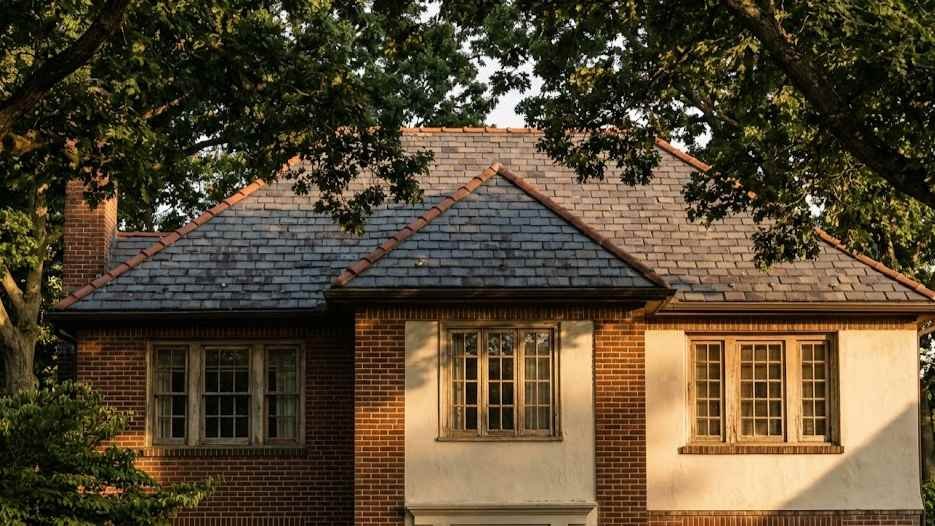
What the Gold Coast Left Behind
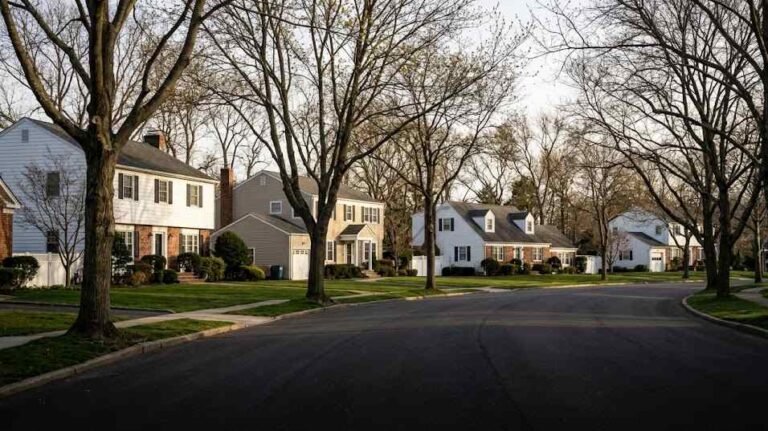
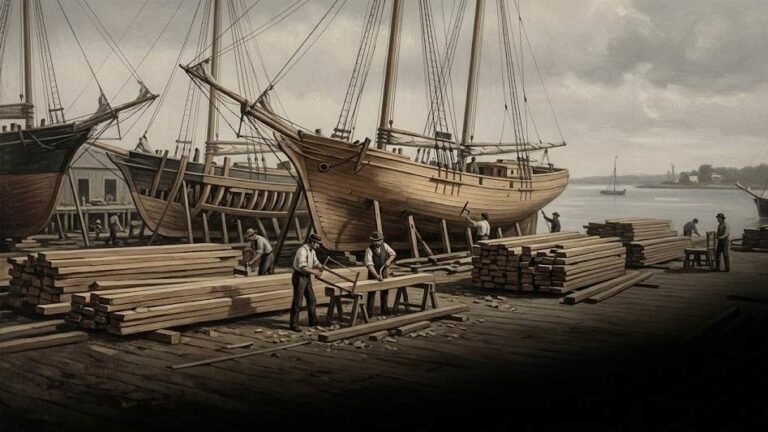
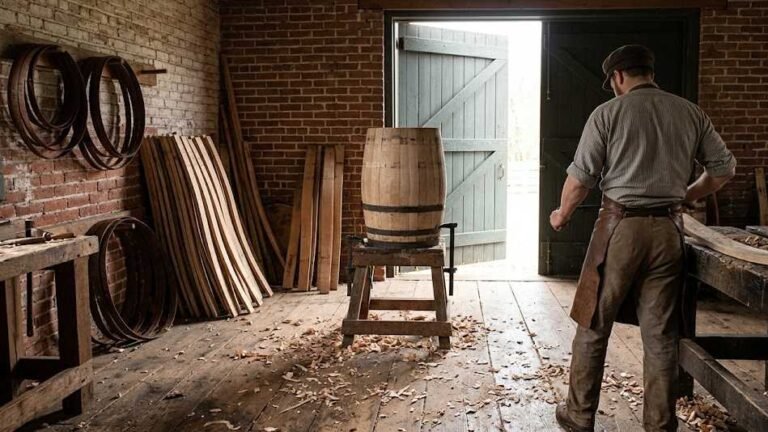
Between roughly 1895 and 1940, the North Shore of Long Island was the site of one of the most concentrated episodes of residential architecture in American history. The estates that gave F. Scott Fitzgerald his material — and gave architects like McKim, Mead & White their most demanding clients — also seeded the surrounding communities with a layer of more modest but equally distinguished housing. The carpenters, craftsmen, and skilled tradespeople who built the great houses built the neighborhoods around them. They used the same materials and many of the same techniques. They worked in the same tradition.
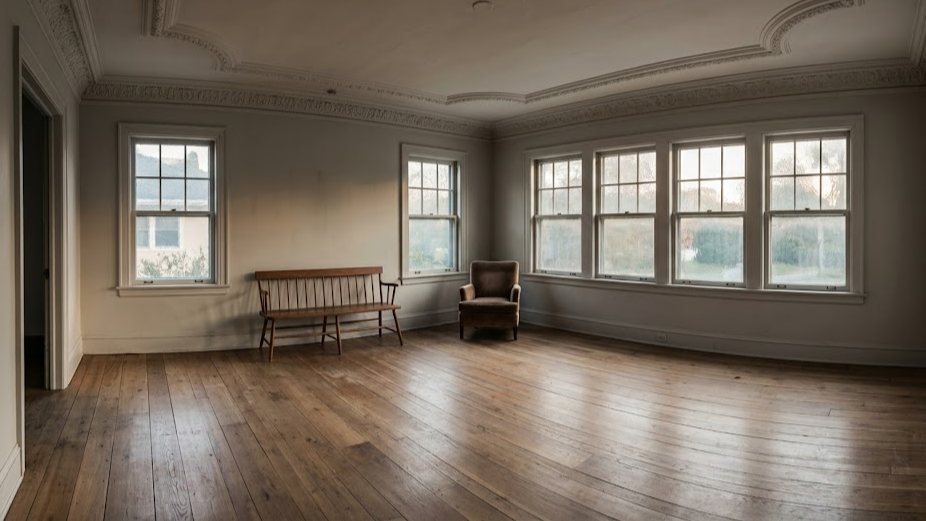
What remains from that period — intact plaster moldings, original oak millwork, hand-laid tile, solid-core doors with their original hardware, wide-plank floors with genuine patina — is not merely old. It is documented. It is irreplaceable. And when properly identified and presented, it is marketable in ways that renovated comparables simply cannot match.
The Society for the Preservation of Long Island Antiquities, now operating as Preservation Long Island, has spent decades cataloging exactly this kind of material culture across Nassau and Suffolk counties. Their research, along with market reporting from the Long Island Board of Realtors, consistently points to the same finding: preserved architectural integrity commands a measurable premium over comparable square footage that has been stripped and modernized — when the marketing does the work of connecting the details to their history.
That “when” is doing a lot of work in that sentence. We will come back to it.
The Premium Is Real — and It Has Conditions
Let’s be direct about the market reality, because sellers deserve honesty over optimism.
Pre-war architectural details do not automatically add value. A house with intact 1920s moldings that is otherwise in disrepair, or priced against renovated contemporaries, or listed with photographs that make the cove ceiling look like a shadow problem — that house will not benefit from its history. The premium attaches to history that is legible, presented with authority, and supported by a pricing strategy that accounts for the specific buyer pool.
The buyer who will pay for original millwork is not the same buyer who is shopping for updated kitchens and open floor plans. They are often — not always, but often — more deliberate. They may be coming from a design background, or from another historic district, or simply from the conviction that the craftsmanship of a certain era is not reproducible at any price. They are right about that last point. You cannot buy a hand-plastered cove ceiling in 2026. You can only find one, if it survived.
When those buyers find a property that has been presented with integrity — meaning the architectural details are identified, photographed correctly, described with accuracy, and priced to reflect genuine scarcity rather than sentiment — they tend to be competitive. They understand what they are looking at. The sale often moves faster and negotiates less aggressively than a comparable listing, because the buyer is not comparing the house to new construction. They have already made peace with the trade-offs.
What Needs to Happen Before You List
If you are a seller with a pre-war North Shore property, here is what the preparation actually looks like.
Inventory the architectural details — specifically. “Original details” is not a marketing phrase. It is a checklist. Walk the house with someone who can identify period-correct elements: the profile of the door casings, the species and age of the flooring, the construction of the built-ins, the tile patterns in the bathrooms, the hardware on the windows and doors. A preservation specialist or an experienced historic-home broker can help with this. The goal is a written inventory — not a feeling about the house, but a documented list of what is there and approximately when it was made.
Distinguish what is original from what has been appropriately maintained. There is a meaningful difference between a bathroom with original 1920s hex tile and a bathroom with reproduction hex tile installed in 1985. Both can be charming. Only one is historically significant. Buyers of historic homes are usually sophisticated enough to know the difference; your marketing should be, too.
Photograph for what the details actually are. Standard real estate photography is not built for this. A wide-angle shot of a living room will compress the depth of a plaster ceiling and flatten the profile of a fireplace surround into visual noise. If the architectural details are the asset, they need to be photographed as architectural features — with the lighting, focal length, and framing that reveals their craft. This is a separate conversation with your photographer, and it is worth having explicitly.
Address deferred maintenance without erasing character. This is the hardest judgment call in selling a historic home, and it is where an experienced broker is most valuable. Replacing original windows with vinyl to cure a draft is almost always the wrong call. Repairing the weight-and-pulley mechanism and re-glazing the glass is almost always the right one.
Pricing Strategy for Historic Properties
Comparable sales analysis works differently for pre-war homes with intact details, and sellers need to understand why before they agree to a number.
Standard comps pull from similar square footage, bedroom count, and lot size in the same zip code. In a neighborhood with a mix of historic homes and post-war construction, this approach will typically undervalue the historic property — because the renovated post-war ranch down the street is not actually comparable. It competes on different terms, to a different buyer. Running the comp set against it will compress the price.
The more useful analysis looks at sales of similarly intact historic properties — ideally with documented original features — across a broader geographic radius. The Long Island Board of Realtors tracks sales data that can be parsed by construction era and feature set; a broker who works regularly with historic homes will know how to pull this. The goal is not to overprice on the basis of sentiment. The goal is to price accurately against the correct market.
The Marketing Copy Has to Do Real Work
Here is where most listings of historic homes fall short: the copy describes rather than positions.
“Original hardwood floors” is a description. “Wide-plank white oak flooring, original to the 1928 construction, in condition consistent with careful maintenance over nearly a century” is a position. The second version tells a buyer something about the house and something about the seller — that they know what they have, that they have taken care of it, that the listing can be trusted.
The same principle applies to every element. Don’t say “vintage tile” — say “original subway tile in the master bath, consistent with late-1920s installation, full field intact.” Don’t say “lots of character” — say nothing, and instead let the photographs and the accurate inventory speak.
One Final Note on the Buyer Conversation
Sellers of historic homes sometimes worry that being honest about the age and condition of original features will discourage buyers. In my experience, the opposite is true. The buyers who want this kind of property want to be told the truth about it. They have done their research. They know that single-pane windows are less efficient and that knob-and-tube electrical needs to be addressed and that plaster walls require different hanging hardware. They have made their peace with these trade-offs because they have decided that what the house has — the proportions, the materials, the craft — is worth more to them than what it lacks.
The molding around the doorframe is original. That is the beginning of the story. The job of good marketing is to tell the rest of it — accurately, specifically, and without apology.
Real estate markets change. This post reflects conditions as of January 1, 2026. For current listings and market data, contact Pawli at Maison Pawli.
This is for informational purposes only — consult a licensed attorney or financial advisor for your specific situation.
Sources
- Preservation Long Island: preservationlongisland.org
- Long Island Board of Realtors (LIBOR): mlsli.com
- National Register of Historic Places: nps.gov/subjects/nationalregister
- McKim, Mead & White architectural records, Avery Index, Columbia University Libraries