Before You Touch the Bow Windows: What Preservation Easements on Gold Coast–Adjacent Properties Actually Mean for Your Renovation Budget
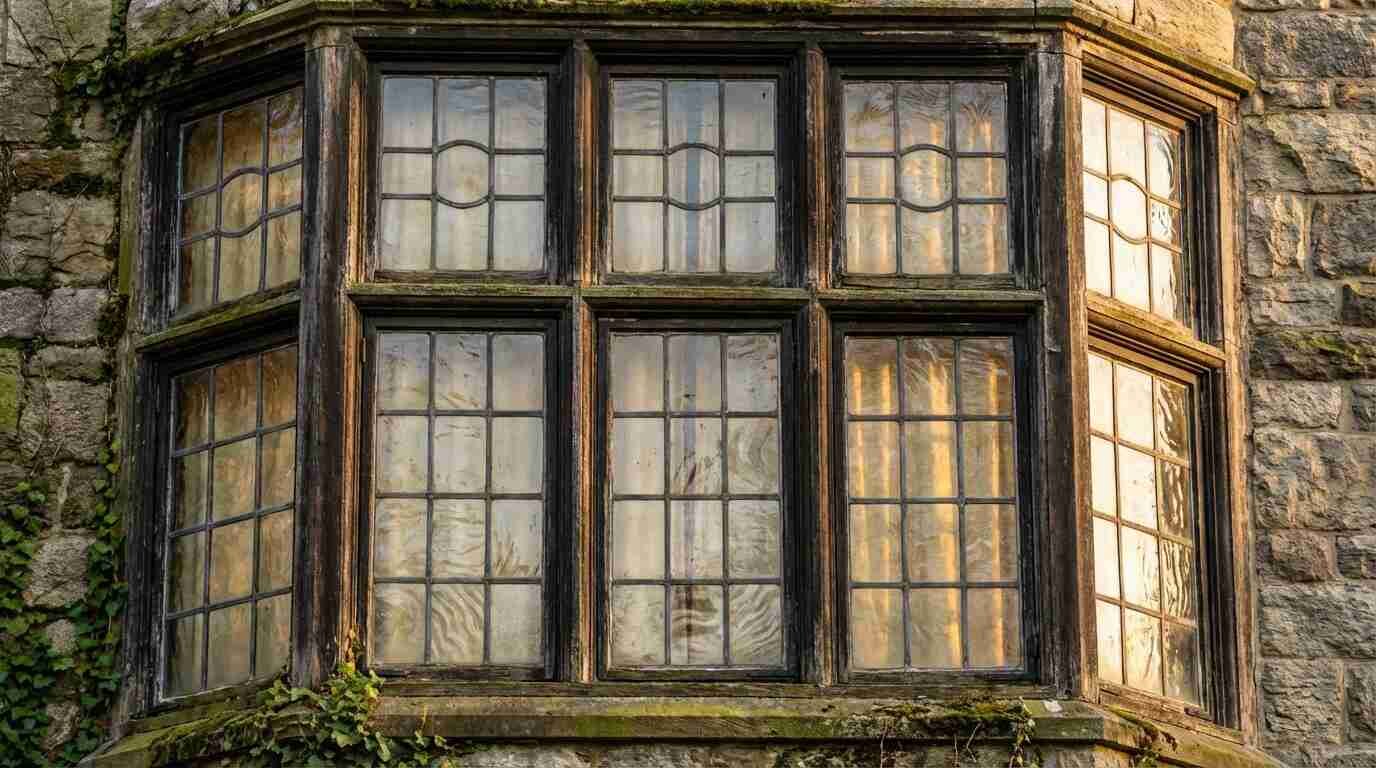
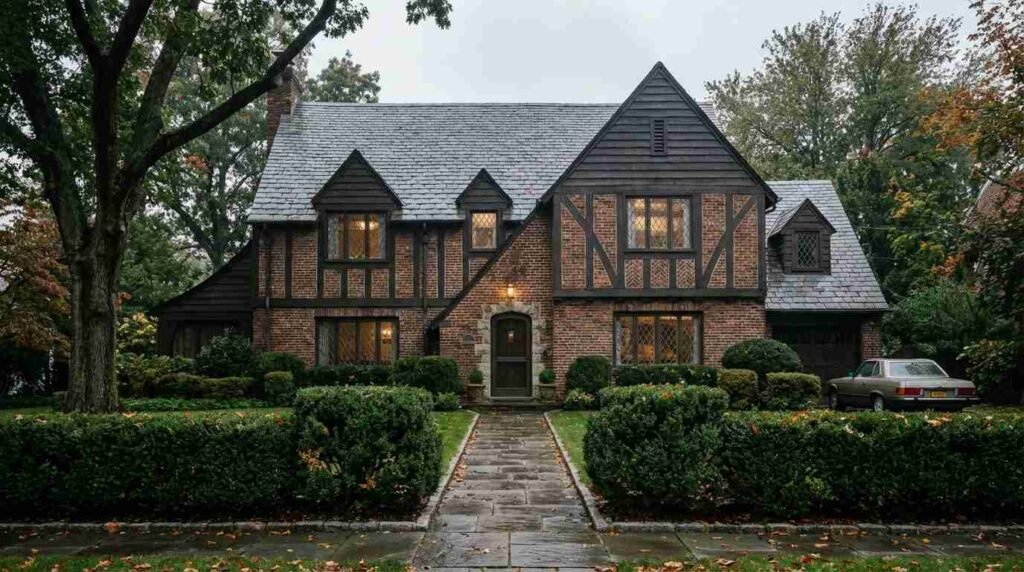
The asking price on the 1920s Tudor in Mill Neck seemed like a steal. The bones were good — original leaded glass, a slate roof still holding, the kind of detailed brickwork that nobody builds anymore because nobody trains for it anymore. The buyers had a contractor lined up, a renovation plan drawn, a vision for the primary suite. They were ready to move.
Then their attorney found paragraph 47 of the title report.
The preservation easement had been recorded quietly in the 1980s, granted to a nonprofit preservation organization as a condition of a prior transfer. It covered the exterior envelope of the structure entirely — the roofline, the masonry, the windows, the doors. Any exterior modification required prior written approval from the easement holder. The renovation plan, as drawn, required seven separate approvals. Three of the proposed changes would not be approved under any circumstances. The contractor’s estimate grew by $140,000 the afternoon they understood what they were dealing with.
This happens more than buyers expect — particularly on the North Shore Gold Coast corridor, where the concentration of historically significant structures is higher than almost anywhere else in New York State, and where the preservation infrastructure to protect them has been building for decades.
What a Preservation Easement Actually Is
A preservation easement is a legal restriction on property — recorded in the deed chain, binding on all future owners — that limits what changes can be made to a designated historic resource. Unlike a local landmark designation, which is a regulatory classification applied by a municipality, an easement is a private legal instrument. It runs with the land. It survives sale. And it creates an ongoing relationship between the property owner and the easement holder that can include mandatory annual inspections, required maintenance standards, and approval processes for any exterior work.
The Preservation League of New York State documents the state’s easement programs and can provide guidance on how easements are structured and enforced. The key practical point: easements are not visible in a basic property search. They appear in the deed chain — which is why a thorough title review, conducted by an attorney who knows what to look for, is essential before purchasing any historically significant property on the North Shore.
Which Municipalities Have the Most Active Preservation Oversight
The Gold Coast corridor runs roughly from Great Neck to Lloyd Neck, with the highest concentration of protected properties in Nassau County’s North Shore townships — particularly Oyster Bay. Oyster Bay Town Code Chapter 173 establishes the town’s Historic Districts and Landmarks framework. Under this code, properties designated as town landmarks require approval from the Landmarks Preservation Commission for exterior alterations visible from a public way. The approval process involves a formal application, a review period, and a public hearing if the commission determines one is needed.
What this means for a buyer of a town-designated landmark: you are not free to replace the windows, re-side the house, or alter the roofline on your own timeline. You need approval. Getting approval requires documentation, sometimes architectural drawings prepared by a preservation-specialist architect, and a waiting period that can run several months. Budget accordingly — and budget for the possibility that the approved solution costs significantly more than the conventional one.
Lloyd Harbor (within Huntington Town’s jurisdiction) operates under separate oversight. Huntington Town Code includes landmark preservation provisions that apply to designated structures, and the town’s Historic Preservation Commission reviews exterior alteration applications for designated properties. The concentration of Gold Coast-era structures in Lloyd Harbor — including properties associated with the Burden, Childs, and Pratt families — means this oversight is regularly exercised, not theoretical.
The Nassau County Planning Commission has conducted landmark surveys that are publicly available and provide a useful starting point for identifying which properties carry local designations. Note, however, that local designation and National Register listing are different things with different consequences.
National Register Listing vs. Local Landmark Designation: The Renovation Difference
This distinction matters enormously and is frequently misunderstood.
A National Register of Historic Places listing — administered through the New York State Office of Parks, Recreation and Historic Preservation (OPRHP) — is primarily an honor and a tax benefit vehicle. It does not, by itself, restrict what a private owner can do with a property. National Register listing makes a property eligible for federal and state historic tax credits, but it does not give the government the right to stop you from altering your privately owned home. You can replace the windows on a National Register property without asking anyone’s permission — though you’ll lose your eligibility for certain tax credit programs if you do.
A local landmark designation — granted by a municipality under its own code — does restrict alterations. This is where renovation plans actually require approval. The distinction matters because many buyers see “National Register” in a property description and assume that means they’re subject to strict government oversight. They’re not — unless the property also carries a local designation, or is subject to a separately recorded preservation easement.
A searchable database of Long Island’s National Register properties is available through OPRHP. Cross-referencing this list against local landmark databases — which require separate municipal lookups — is the complete due diligence picture.
How Easements Affect Appraisals and Financing
Here’s the dimension that surprises most buyers: preservation easements don’t just affect renovation plans. They affect appraisal values and financing.
Appraisers working on easement-encumbered properties are required to acknowledge the easement’s impact on value. In some cases — where the easement is narrow in scope and the property is in a market where historic character commands a premium — the easement has minimal negative impact. In other cases, particularly where the easement covers the full exterior envelope and prohibits common renovation choices, appraisers will apply a value adjustment that reflects the property’s restricted marketability. This can affect the loan amount a lender will extend.
On the financing side, some lenders require additional review for properties with recorded preservation easements before committing to a conventional mortgage. This doesn’t mean you can’t finance an easement-encumbered property — many people do — but it means the financing conversation needs to happen earlier in the process than buyers typically expect.
Title insurance companies routinely flag preservation easements as encumbrances, which is how they show up in paragraph 47 of a title report. What they don’t do is interpret the easement’s practical consequences for your renovation plan. That requires a real estate attorney who has worked with preservation encumbrances specifically, preferably one with North Shore experience.

What Changes Require Approval and What’s Typically Exempt
The specific scope of review depends entirely on the governing instrument. But some generalizations hold.
Typically subject to approval: exterior window replacement; roofing material changes (a historically appropriate slate or clay tile roof cannot be replaced with architectural shingles on most designated properties without approval); masonry repointing (the mortar composition matters — modern Portland cement mortars can damage historic brick); additions visible from a public way; changes to historic porch or entry details; demolition of any contributing element.
Often exempt or subject to streamlined review: interior alterations (most local landmark programs and preservation easements cover only exteriors); like-for-like repairs using historically appropriate materials; routine maintenance that doesn’t change the character of a feature; utility work entirely within the structure.
The Preservation League of New York State publishes guidance documents on easement compliance that are worth reading before purchasing any historically significant North Shore property.
The Due Diligence Sequence
For any fixer-upper on or adjacent to the Gold Coast corridor, the sequence should run in this order.
First, ask your agent to check the Nassau County landmark survey and the OPRHP National Register database before you make an offer. This is a ten-minute lookup that can change the entire purchase calculus.
Second, instruct your attorney to conduct a thorough deed chain review specifically looking for preservation easements, deed restrictions, and any recorded covenants related to historic character. As I covered in the piece on restrictive covenants in Long Island deeds, the North Shore’s deed record is layered in ways that don’t always surface in basic searches.
Third, if the property carries any designation or easement, contact the relevant approval body before finalizing your renovation plan — not after. A pre-application conversation with a local landmarks commission or easement holder is almost always more productive than submitting a full application and waiting for a denial.
Fourth, engage a preservation architect for any significant exterior work on a designated property. The additional cost of working with someone who understands what approval bodies will accept is almost always less than the cost of a rejected application and a redesign.
The piece I wrote on buying and saving Gold Coast ruins covers the estate-scale version of this problem — which is its own category of complexity — but the due diligence logic is the same whether you’re dealing with a Mill Neck Tudor or an Oyster Bay estate.
The bow windows in that Mill Neck house are still original. The buyers who found paragraph 47 in time kept them. The renovation took longer than planned and cost more than budgeted — but the result is a house that will carry its history intact into the next sale, and the one after that.
Sometimes the easement isn’t the obstacle. Sometimes it’s the reason the character survived long enough for you to fall in love with it.
This is for informational purposes only — consult a licensed attorney or financial advisor for your specific situation. Real estate markets change. For current listings and market data, contact Pawli at Maison Pawli.
You Might Also Like
- The Servant Stair and the Service Wing: What the Hidden Architecture of Gold Coast Estates Reveals About Today’s Luxury Floor Plans
- Selling History: How to Price and Market North Shore Pre-War Details
- The Covenant in the Deed: How Restrictive Covenants Shaped Long Island Neighborhoods
Sources
- NYS Office of Parks, Recreation and Historic Preservation — National Register Listings
- NYS Historic Homeownership Rehabilitation Tax Credit Program
- Preservation League of New York State
- Oyster Bay Town Code — Chapter 173: Historic Districts and Landmarks
- Huntington Town — Historic Preservation Commission
- Nassau County Planning Commission