The Contractor Shortage Nobody Warned You About: Why Long Island Permits Are Taking 14 Months and What Savvy Renovators Are Doing Differently
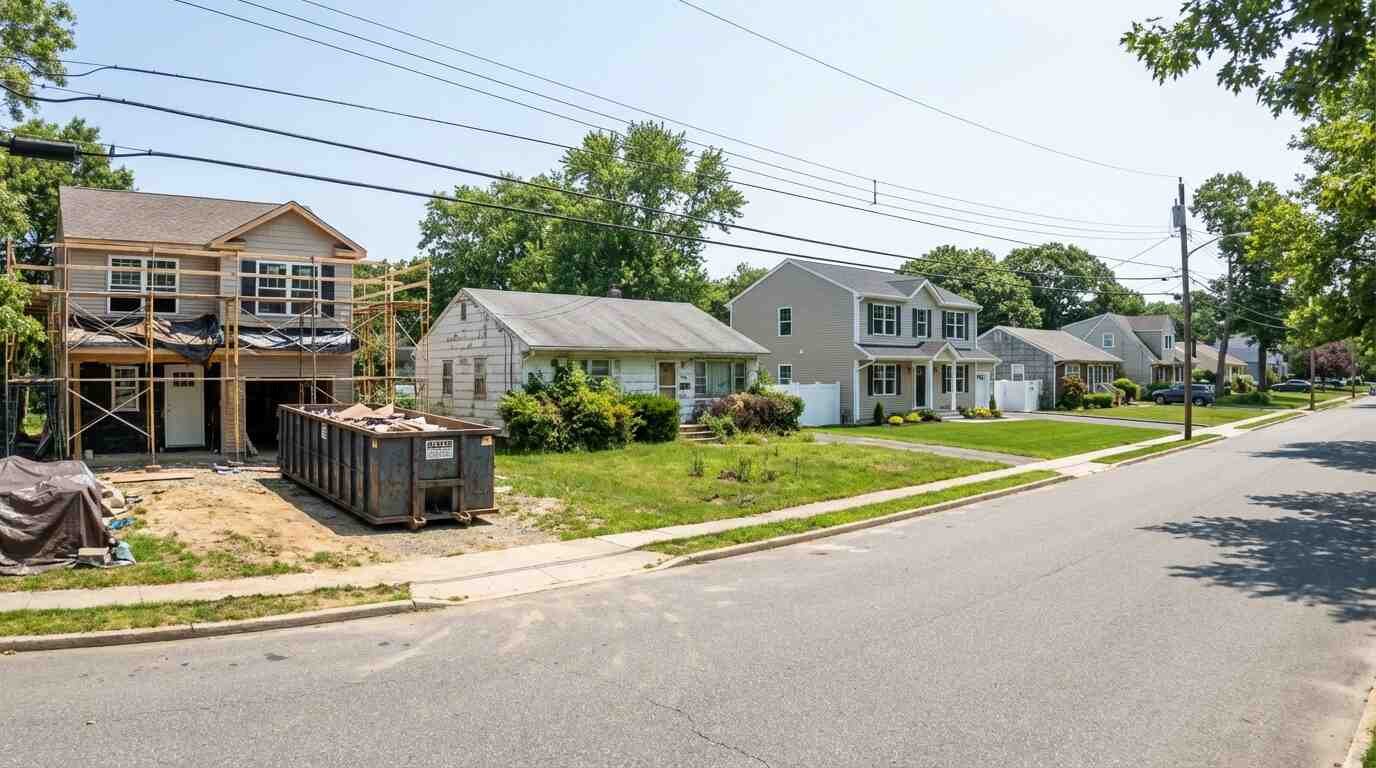
Forty-two weeks. That’s how long a client of mine waited for a permit on a straightforward bathroom addition in the Town of Hempstead last year. Not a complex structural project. Not a variance request. A bathroom addition in a single-family house in a residential zone. Forty-two weeks from application to approval, during which she paid her mortgage, her property taxes, and her contractor’s storage fees for materials sitting in a warehouse. By the time the permit came through, everything had gotten more expensive — and she hadn’t broken ground yet.
I tell that story not to alarm buyers out of renovation projects, but because the timeline is real and it’s not unique to her town or her project. Long Island’s building department backlog is one of the most consequential and least-discussed factors in fixer-upper renovation budgets right now. If you’re buying a house that needs work, understanding the permit landscape before you close is as important as understanding your contractor’s schedule. Here is what I know, and what savvy Long Island renovators are doing about it.
Which Townships Are the Worst — and Why
Not all Long Island building departments operate at the same pace, and the differences are significant enough to affect your renovation calculus. The New York State Department of State Division of Building Standards and Codes publishes municipal compliance data, and the pattern that emerges for Nassau and Suffolk counties is consistent: the largest townships — the ones with the most development activity and, often, the most understaffed permit offices — have the longest wait times.
The Town of Hempstead is consistently among the slowest in the state. With a population of more than 750,000 and a building department that has faced persistent staffing challenges, permits for residential additions and renovations have routinely taken eight to fourteen months in recent years. Newsday has investigated the backlog specifically, documenting both the structural causes — a combination of post-pandemic application surges, staff turnover, and an aging permitting infrastructure — and their real-world impact on homeowners whose renovation timelines and budgets were built around assumptions that turned out to be fiction.
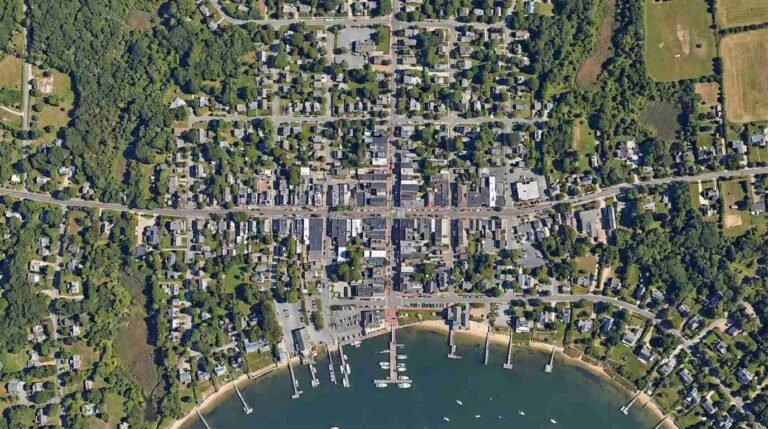
The Town of Islip and the Town of Brookhaven are perennial runners-up. Both cover large geographic areas of Suffolk County, both saw significant renovation permit applications surge after the pandemic, and both have building department operations that have struggled to absorb the volume. Wait times in the six-to-twelve-month range for standard residential renovation permits have been common. The Town of Babylon has been somewhat more consistent, and some of the smaller incorporated villages — which have their own building departments separate from the town — can move considerably faster. This is one of the reasons that buying within an incorporated village boundary sometimes carries a hidden advantage for renovators: the village building department may be leaner and faster than the town’s.
The New York State Association of Town Building Officials publishes guidance and advocates for building department modernization, and their materials are frank about the resource constraints facing municipal permit offices across the state. Long Island’s property tax base is among the highest in the nation — documented by the New York State Comptroller’s office — which means homeowners are paying for municipal services that, in the case of building departments, are not always keeping pace with demand.
The Carrying Cost Math — and Why It Matters Before You Offer
Here is the calculation that most fixer-upper buyers do not run before they make an offer, and should. Long Island property taxes are not a rounding error. The average effective property tax rate in Nassau County — according to the New York State Comptroller — routinely places it among the top five counties in the nation for property tax burden. A house assessed at $600,000 might carry $14,000 to $18,000 in annual property taxes. Add a mortgage at current rates, homeowner’s insurance, and any holding costs for the renovation property, and your monthly carrying cost for a house you haven’t been able to touch because the permit hasn’t arrived is real money.
Run the math concretely. If your all-in monthly carrying cost on a renovation property is $4,500 — mortgage, taxes prorated monthly, insurance — and you wait twelve months for a permit, that’s $54,000 in carrying cost before a single wall comes down. If your renovation budget was $120,000, you’ve just added 45% to the effective cost of the project before construction begins. That’s the number that’s killing fixer-upper economics for buyers who didn’t account for it. That’s also the number that can make the same property a genuinely good deal for a buyer who did account for it and negotiated accordingly.
This is not an argument against fixer-uppers. It’s an argument for pricing them correctly. If permit delays in your target township are twelve months, the offer price should reflect twelve months of carrying cost before renovation begins. Work with your broker to understand what comparable move-in-ready homes are selling for, subtract renovation costs, subtract carrying costs, and arrive at a number that actually makes financial sense. The buyer who skips this math is the buyer who calls me frustrated six months into a permit wait.
What Can Be Fast-Tracked — and What Can’t
Not all renovation work requires the same permit process, and understanding the distinction changes how you sequence a project. In most Nassau and Suffolk municipalities, there are three categories of work relevant to residential renovation:
Over-the-counter permits — typically issued same-day or within a few days for minor work: replacing a water heater, installing a new electrical panel (in some towns), replacing windows in-kind. These are administrative approvals, not plan reviews, and they move quickly. If your renovation includes items that qualify, scheduling those first gets your contractor on site, doing productive work, while the longer permit review proceeds.
Standard plan review permits — the backlog category. Kitchen renovations involving structural changes, bathroom additions, finished basements, deck additions, HVAC system replacements — these typically require a full plan submission reviewed by a building department plan examiner. This is where the eight-to-fourteen-month wait lives. In some towns, you can accelerate this by submitting complete, professionally prepared drawings on the first attempt (incomplete submissions go to the back of the line when they come back for resubmission), and by ensuring your contractor has an established relationship with the municipality — contractors who pull permits regularly in a given town often know what the examiners want to see.
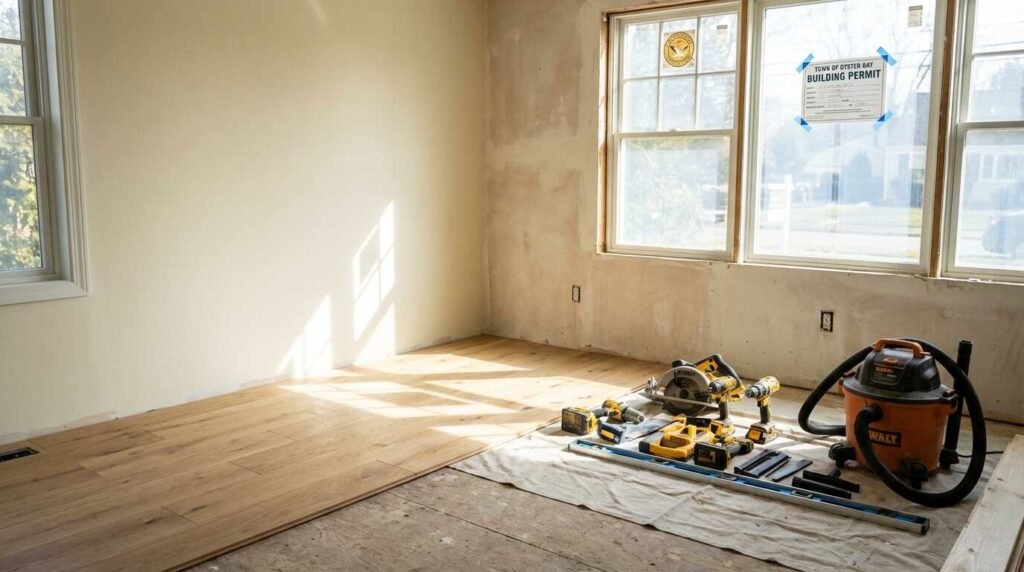
Work that doesn’t require permits — varies by municipality, but typically includes cosmetic interior work: painting, flooring replacement, cabinet replacement in-kind, fixture replacement in-kind. This work can begin immediately after closing and proceed in parallel with the permit review. Savvy renovators use this window — sometimes twelve months of it — to complete every non-permitted scope item so that when the permit arrives, the contractor can move directly to permitted work without losing momentum.
What a Licensed Permit Expediter Does — and When to Hire One
The permit expediter is a licensed professional — registered through New York State — whose specific job is to navigate the municipal permit process on behalf of owners and contractors. They know the building department staff. They know what a complete submission looks like for a given municipality. They know which plan examiner handles residential additions, when the examiner’s review cycle runs, and what questions to expect. A good expediter does not cut corners or pull strings in any improper sense — they simply know the process well enough to avoid the mistakes that send applications to the back of the queue.
In the Town of Hempstead, where the process is most Byzantine, experienced local expediters have consistently delivered faster approvals than owner-filed or contractor-filed applications — not because they have special access, but because their submissions are complete and professional on the first attempt. Expediter fees run $1,500 to $4,000 for a standard residential permit in Nassau and Suffolk counties, depending on project complexity. Against a twelve-month carrying cost scenario, that fee is almost always worth it.
You can also replicate some of what expediters do. Call the building department before you submit and ask what a complete submission requires for your specific project type. Ask if they have a pre-submission conference option — some municipalities offer this, and it’s free. Hire a licensed architect to prepare your drawings rather than having your contractor do it; architect-stamped drawings move through plan review faster in most municipalities because they meet the code documentation standard consistently. And submit everything at once: every required form, every drawing, every survey, every affidavit. Incomplete submissions are the single biggest cause of permit delays, because they restart the clock when they come back for resubmission.
The Parallel Sequence: How Long Island’s Smartest Renovators Stay Moving
The renovators who come out ahead in a permit-delayed market are the ones who treat the permit wait as productive time rather than dead time. Before the permit arrives, they complete every non-permitted scope item: paint, flooring, fixtures, cabinetry where no structural work is involved, landscaping, exterior painting, garage organization. When the permit arrives, the contractor walks into a house that’s 40% done and can focus entirely on the permitted scope — the addition, the structural changes, the HVAC replacement. This compression of the post-permit timeline often means total project completion runs six to eight months faster than a buyer who waited for the permit before starting anything.
It also means the house goes to market — or becomes livable — meaningfully sooner. In a market where carrying costs are running $4,000 to $6,000 monthly, six months of compression is $24,000 to $36,000 in recovered carrying cost. That’s real money, and it comes entirely from planning.
The parallel sequence also requires a contractor who is organized enough to switch between scope categories and who has relationships with subcontractors who can move quickly when the permit finally arrives. This is the contractor you want to interview carefully before you hire. Ask them directly: have they done permitted renovation work in your target municipality? How do they handle the permit wait period? Do they have a preferred expediter they work with? What does their construction sequence look like? The answers will tell you a great deal about whether this contractor has actually solved the Long Island permit problem or is still encountering it fresh every time.
If you’re evaluating a Long Island fixer-upper and want to understand what the permit timeline looks like for a specific municipality and project type before you make an offer, that’s exactly the kind of pre-offer analysis I think every renovation buyer should do — and it’s a conversation I’m glad to be part of at Maison Pawli. The carrying cost math and the permit reality should be in your offer price, not your closing surprise.
Real estate markets change. For current listings and market data, contact Pawli at Maison Pawli. This is for informational purposes only — consult a licensed contractor, permit expediter, and financial advisor for your specific situation.
You Might Also Like
- What the Suffolk County Tax Grievance Deadline Actually Means for You
- The Iron Ghost in the Yard: Why Sellers Need to Hunt Their Own Oil Tanks
- Beyond the 30-Year Fixed: Mortgage Options First-Time Buyers on Long Island Rarely Hear About
Sources
- New York State Department of State, Division of Building Standards and Codes: dos.ny.gov/DCEA
- New York State Association of Town Building Officials: nysatbo.org
- New York State Comptroller — property tax data: osc.ny.gov
- Town of Hempstead Building Department: townofhempstead.org
- Town of Islip Building Department: islipny.gov
- Town of Brookhaven Building Department: brookhavenny.gov
- Newsday — investigative coverage of Nassau and Suffolk building department backlogs (multiple articles, 2022–2025)
- New York State — Licensed Permit Expediter registration: dos.ny.gov
—