What Your Title Commitment Is Actually Telling You: How to Read a Chain of Title Like a Property Historian

The packet arrives a week or two before closing, dropped into your inbox without ceremony: the title commitment. It runs twenty, sometimes forty pages. The type is small and the language is dense with phrases like “vesting information,” “Schedule B-2 exceptions,” and “easements of record.” Most buyers flip to the last page, look for anything that seems alarming, find nothing obviously wrong, and file it away.
That’s a mistake — and I’ve seen it cost buyers real money.
A title commitment isn’t just legal paperwork. It is, read correctly, a compressed biography of the property. Every section holds information about who has owned this house, what claims have been made against it, what rights have been granted to others, and what obligations will follow it into your hands the day you close. Schedule B-2 doesn’t just list what the title company won’t insure. It tells you what’s permanently attached to this piece of land — conditions written into documents decades or generations before you ever made an offer, that remain as binding today as when they were first recorded.
Here’s how to read it properly.
Schedule A: Who Holds the Title, and How
Schedule A is where most buyers spend their time, because it contains the information they recognize: the purchase price, the proposed policy amount, the names of the buyer and seller, the legal description of the property, and the effective date of the search.
What buyers often miss is the vesting language. This is the phrase that describes how the seller holds title — sole owner, joint tenancy, tenancy in common, trust, LLC — and it matters enormously. The same deed can convey very different legal realities depending on how title is held. A property held in a revocable trust by an estate may require probate documentation before it can be transferred; a property held as tenants in common between multiple heirs may need every heir’s signature on the deed. Problems at this level don’t mean the deal is off — but they mean your attorney needs to get ahead of the paperwork, not catch up to it at closing.
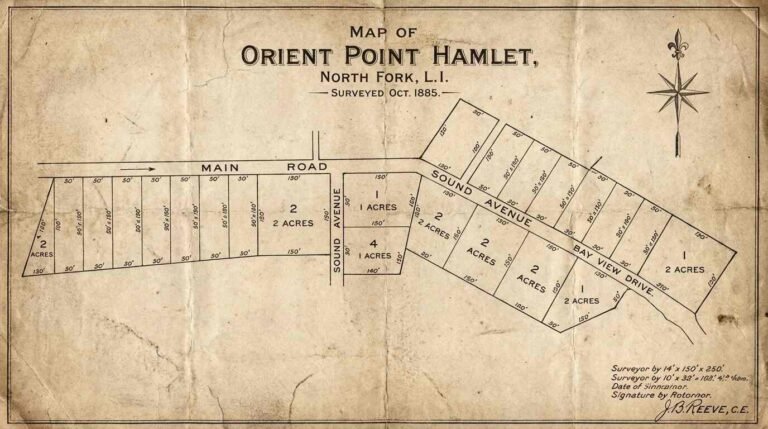
Schedule A also reflects the results of the title examiner’s search of the public record. The examiner traces the chain of title — the sequence of deed transfers — backward through time, typically looking for a period sufficient to establish clear ownership. On Long Island’s North Shore, where some properties have changed hands dozens of times since the late 19th century, that chain can be surprisingly long and occasionally tangled. An experienced examiner reading a Stony Brook or Setauket property might trace ownership through multiple families, a Depression-era tax sale, a mid-century subdivision, and a modern estate transfer — each link telling its own brief story.
Schedule B-1: What Has to Be Cleared Before Closing
The first part of Schedule B is the requirements section: conditions that must be satisfied before the title company will issue its insurance policy. This is where open liens live. A seller’s existing mortgage must be paid off and released at closing. Unpaid property taxes appear here. So do outstanding judgments against the seller, which attach to all real property the seller owns in the county.
These aren’t necessarily problems. Most of what appears in Schedule B-1 is routine — a mortgage balance that will be paid from the sale proceeds, a water bill that will be settled. But occasionally the search surfaces something unexpected: a judgment from a creditor the seller hasn’t disclosed, or a lien for a contractor who never received payment for work done years ago. Under New York law, mechanic’s liens can attach to a property for up to one year after the work was performed. A renovation the seller completed eighteen months ago and paid in full leaves no trace. A renovation completed ten months ago by a contractor who claims he wasn’t paid in full can appear as a lien the seller didn’t know existed.
When something unexpected shows up in Schedule B-1, the right response is not panic — it’s to ask your attorney what has to happen to clear it, and whether the timeline is compatible with your closing date.
Schedule B-2: The Permanent Record — What Follows This Property Forever
This is the section that deserves the most careful attention, and receives the least.
Schedule B-2 lists the exceptions to your title insurance coverage — the things the policy will not protect you against because they are already matters of record. Some of these are generic boilerplate that appear on nearly every title commitment: the possibility of claims that an accurate survey would reveal, rights of parties in possession, and the like. But woven through the boilerplate are the exceptions specific to your property — and these can range from entirely benign to genuinely consequential.
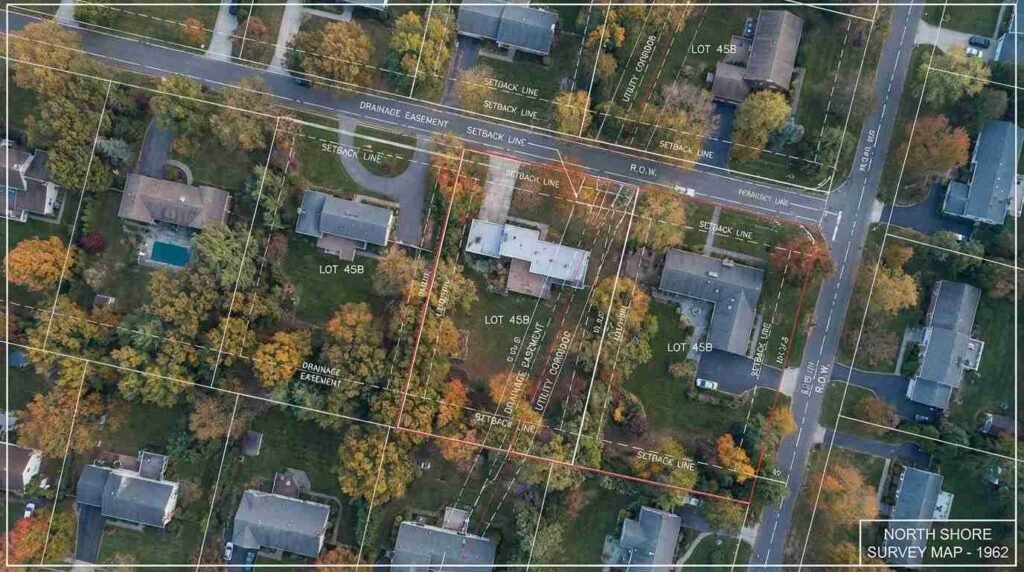
Easements. An easement is a right held by someone other than the owner to use a portion of the property for a specific purpose. A utility easement allows a power company to access and maintain infrastructure crossing your lot. A right-of-way easement grants a neighbor access to a landlocked parcel through yours. A drainage easement reserves a strip along a property boundary for stormwater management. These rights were created by prior owners, often decades ago, and they run with the land. The buyer who does not understand the easement in Schedule B-2 before making an offer may close on a property, then discover that the location they planned for an addition, a garage, or a pool is unbuildable because it falls within the easement corridor.
Restrictive covenants. Deed covenants recorded in the postwar era are among the most common Schedule B-2 exceptions on Long Island. Some are architectural: restrictions on the size or style of structures that can be built. Some are use restrictions: prohibitions on commercial activity, limits on the number of dwelling units, restrictions on keeping livestock. As I wrote in The Covenant in the Deed, many of these covenants were recorded by subdividers in the 1940s and 1950s as a means of controlling character across a development. They remain enforceable today by neighboring lot owners who share the same subdivision deed — which means even if the town would issue you a permit, your neighbor might have standing to stop the project in court.
Prior mortgage satisfactions. Occasionally Schedule B-2 lists a mortgage that was recorded in a prior decade and should have been satisfied but for which the satisfaction is missing from the record. The mortgage may well have been paid — but until the satisfaction is properly recorded with the county clerk, it remains a cloud on title. This is a Schedule B-1 clearance item in most cases, but when it surfaces in B-2, it means the title company has examined it and is choosing to except it from coverage rather than require its resolution. That’s a signal to ask questions.

How to Use the Title Commitment Before Making an Offer
Standard practice is to receive the title commitment after the offer is accepted, during the attorney review or due diligence period. In competitive North Shore markets, that’s often where it lands. But there’s nothing stopping a buyer — or buyer’s attorney — from requesting a preliminary title search before making an offer on a property that raises questions. I’ve seen buyers on waterfront lots, properties abutting preserved land, and North Shore homes with unusually shaped or irregular lots use a preliminary search to understand the easement and covenant picture before deciding what to offer.
For most transactions, the right moment is attorney review. When your attorney hands you the title commitment, do not treat it as something to be acknowledged and filed. Ask for a walkthrough. Ask which Schedule B-2 exceptions are boilerplate and which are specific to this property. Ask what each specific exception means for your intended use of the land.
The easement recorded in 1938 is not going anywhere. The restrictive covenant from 1952 is as enforceable today as the day it was written. The Hampton Bays post on deed anomalies covers how unusual historical circumstances can produce deed irregularities that still appear decades later — and the title commitment is exactly where those irregularities surface. Reading it before closing isn’t due diligence theater. It’s the difference between buying a property you understand and buying one whose hidden conditions you’ll discover only after the keys are in your hand.
This is for informational purposes only — consult a licensed real estate attorney for guidance specific to your transaction.
Real estate markets change. For current listings and market data, contact Pawli at Maison Pawli.