The Flood Zone Flip: Why the Cheapest Houses on Long Island’s South Shore Are Suddenly the Most Expensive to Renovate
The number stopped me the first time I saw it. A Freeport bungalow, three blocks from the water, listed at $280,000. In this market, on Long Island’s South Shore, that price point feels like someone made a clerical error. It’s not. What that number doesn’t tell you — not in the listing photos, not in the MLS description, not anywhere in the marketing — is what comes next: the elevation certificate, the FEMA flood map, the insurance quote, and the renovation math that changes everything.
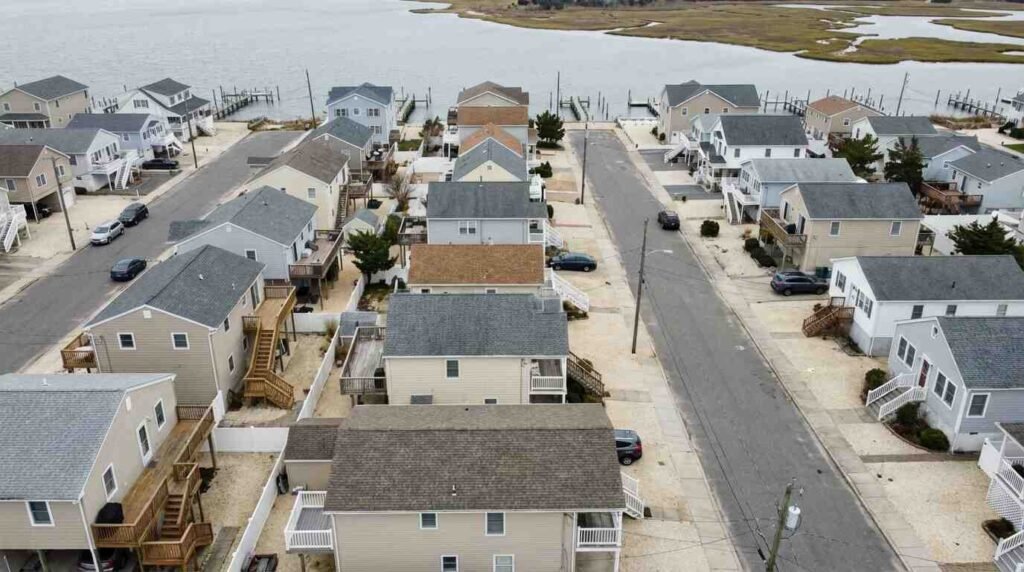
I’ve watched buyers fall in love with South Shore pricing without understanding South Shore physics. The barrier island communities, the bay-adjacent streets in Babylon and Freeport and Lindenhurst, the creek-flanked lots that look pastoral in spring and become floodplains in October — these properties operate under a set of rules that most buyers discover only after they’ve made an offer. This post is the thing I wish every one of those buyers had read first.
How Post-Sandy FEMA Remapping Changed the Math Permanently
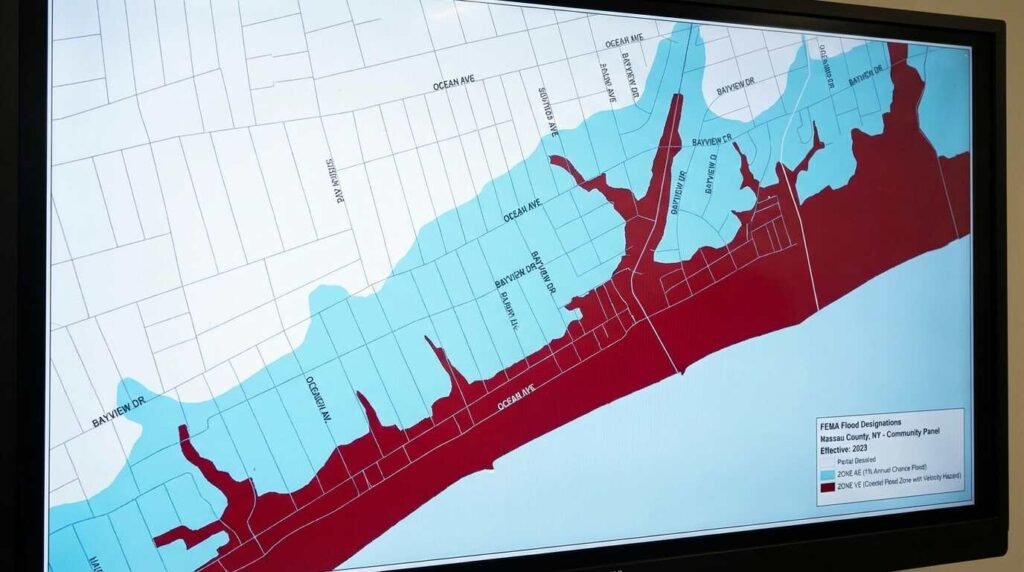
Hurricane Sandy made landfall on Long Island in October 2012 and caused roughly $32 billion in damage across New York State. FEMA’s response, in the years that followed, was to remap flood zones across Nassau and Suffolk counties with considerably more precision than the old maps allowed — and those remaps moved thousands of properties into higher-risk designations. A house that sat in Zone X (minimal risk, no mandatory flood insurance) before 2012 might now sit in Zone AE (high-risk, base flood elevation applies) or, worse, Zone VE (coastal high hazard, wave action included).
You can check any Long Island property right now at FEMA’s Flood Map Service Center at msc.fema.gov. Put in the address. Look at the zone designation. Then look up what an elevation certificate says the lowest floor of that structure sits at relative to Base Flood Elevation (BFE). Every foot below BFE is a multiplication factor on your annual flood insurance premium. Every foot above it is savings. This is the single most important piece of paper in a South Shore renovation purchase, and most buyers don’t know it exists until they’re under contract.
The Biggert-Waters Flood Insurance Reform Act of 2012 — amended by the Homeowner Flood Insurance Affordability Act of 2014 — restructured how the National Flood Insurance Program prices policies. The short version: the era of grandfathered, artificially subsidized rates for properties built before modern flood maps is ending. Rates are moving toward actuarial reality. For a property sitting two feet below BFE in Zone AE, that reality can mean flood insurance premiums of $3,000 to $8,000 annually or more. I’ve seen quotes that stopped closings cold.
The Substantial Improvement Rule — The One Regulation That Changes Everything
Here is where renovation buyers get blindsided, and I want to be precise about this because the rule is codified — it’s not a matter of local interpretation. Under 44 CFR Part 60, FEMA’s National Flood Insurance Program regulations require that any structure in a Special Flood Hazard Area (that’s AE or VE zone) that undergoes “Substantial Improvement” must be brought into full compliance with current flood damage prevention standards. Substantial Improvement is defined as any renovation — cumulative, over any rolling period the municipality chooses to track — that equals or exceeds 50 percent of the structure’s market value.
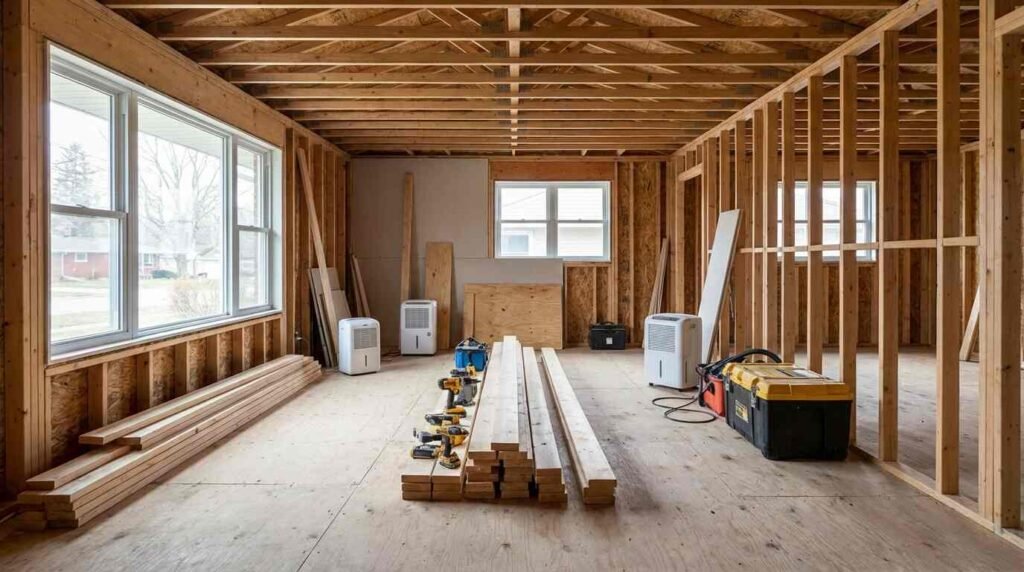
Let that settle. If you buy a flood-zone bungalow assessed at $180,000 and you want to gut the kitchen, update the bathrooms, and open up the living area, you may cross that 50% threshold before you’ve finished the kitchen. Once you do, you’re not renovating anymore — you’re bringing the structure into full flood compliance, which in most cases means elevating the lowest livable floor to or above the Base Flood Elevation. On Long Island, that typically means lifting the house. Elevation projects run $30,000 to $80,000 depending on the structure type, foundation conditions, and how many feet of lift are required. Pier and beam foundations cost less than full foundation replacement. Brick ranch houses cost considerably more. The Town of Babylon and Nassau County building departments have flood compliance guidelines online; I’d recommend reading them before you fall in love with any address south of Sunrise Highway.
The practical implication: if you’re buying a flood-zone fixer-upper with the intention of doing significant work, you need to know your Substantial Improvement threshold before you budget a single line item. Your contractor’s scope of work determines whether you’re renovating or complying — and those are two very different financial propositions.
What Elevation Actually Costs on Long Island
Elevation is not a last resort. Increasingly, it’s a smart play — because every foot you add above BFE reduces your insurance premium, sometimes dramatically. A property lifted two feet above BFE might see its annual flood insurance drop from $6,000 to $1,400. Over ten years, that’s $46,000 in premium savings. The elevation project pays for itself, and then it keeps paying.
The range I cited — $30,000 to $80,000 — reflects the genuine variation in Long Island South Shore projects. A wood-frame ranch on a crawl space in Amityville is a different structural conversation than a two-story colonial on a poured slab in Massapequa. Variables that affect cost: existing foundation type, number of feet of required lift, utility disconnection and reconnection (gas, electric, plumbing must be disconnected before lifting and reconnected after), whether the driveway, steps, and exterior access need to be rebuilt after elevation, and permit fees, which in Nassau County particularly can be substantial.
FEMA has administered elevation grant programs through its Hazard Mitigation Grant Program (HMGP) and the Flood Mitigation Assistance (FMA) program. Post-Sandy, New York State distributed significant mitigation funding to Nassau and Suffolk homeowners through the Build It Back program, though that specific program has wound down. Some funding mechanisms remain available — Suffolk County Emergency Management and Nassau County’s Office of Emergency Management are the right places to ask about current mitigation assistance. I’d verify any program availability before counting on it in your budget, but the programs have been real and the money has moved.
Strategic Phasing: How Some Buyers Stay Under the Threshold
This is where the conversation gets nuanced, and I want to be careful: I’m not advising anyone to structure projects specifically to avoid regulatory compliance. What I am saying is that municipalities vary in how they track cumulative improvement values, and understanding your specific town’s methodology before you plan your renovation sequence is entirely legitimate due diligence.
Some townships in Nassau and Suffolk track the 50% threshold against permit applications within a set rolling window. Others track cumulatively from the date of the first permit after a property enters the SFHA. This matters. A buyer in Freeport (Town of Hempstead) is operating under a different administrative framework than a buyer in Amityville (Town of Babylon). Newsday has covered Long Island’s post-Sandy rebuilding extensively, including the inconsistencies in how the Substantial Improvement rule is applied across municipal lines — it’s worth reading that coverage before you plan anything.
What savvy South Shore renovators often do: they sequence permitted structural work — roof replacement, electrical panel upgrade, HVAC — separately from cosmetic interior work that may not require permits at all in their municipality. They get a precise Substantial Improvement assessment from their town’s building department before they finalize their scope. They hire a contractor who has done flood-zone work on Long Island specifically and understands the compliance landscape, not just the construction. This is not the project for someone who’s never pulled a permit in Nassau or Suffolk County before.
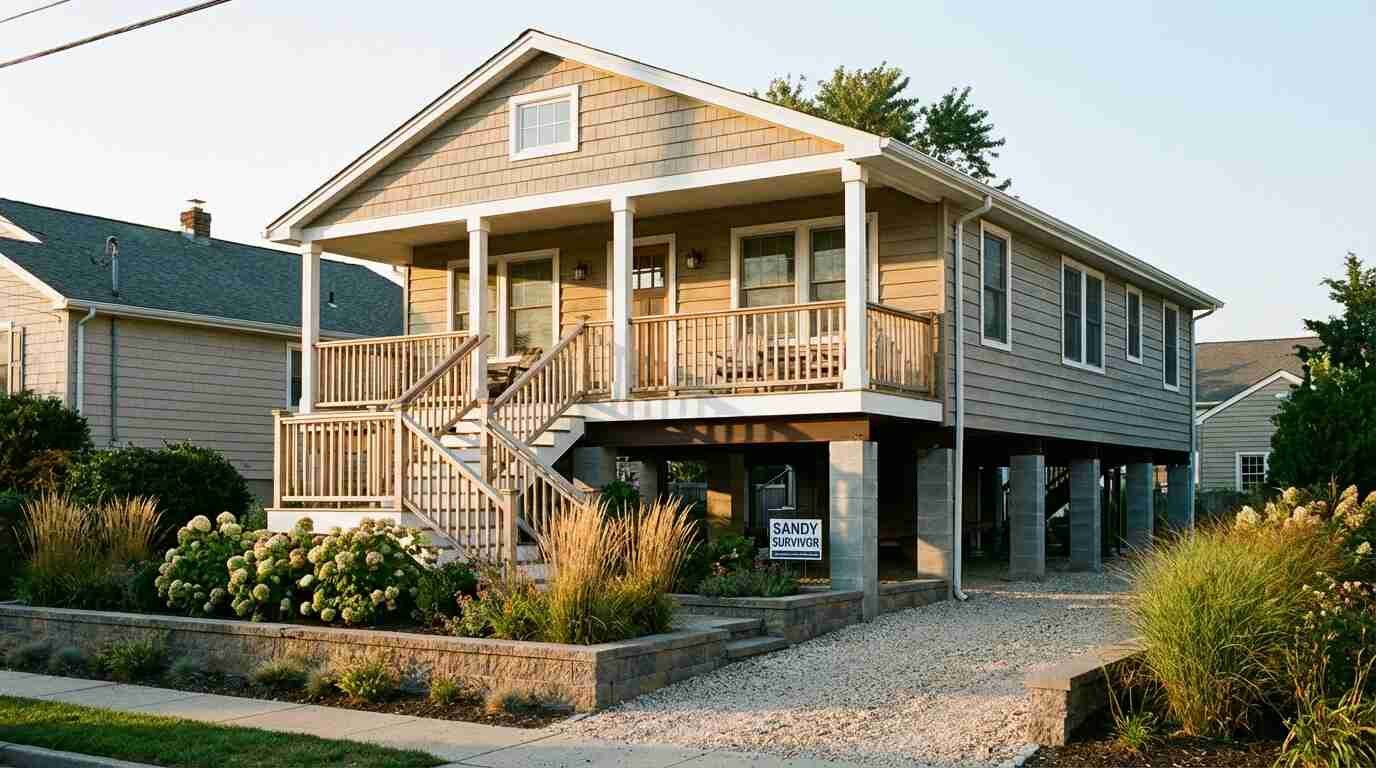
If you want to see what post-Sandy elevation looks like in practice, drive through the neighborhoods closest to the Great South Bay in Babylon or along the barrier island communities in Long Beach. You’ll see houses perched on new foundations, some elegantly integrated with landscaping and new staircases, others more visibly retrofitted. The better ones are indistinguishable from a well-built new construction. The difference between those outcomes is usually the contractor and the planning that preceded construction.
The Insurance Equation Before You Make an Offer
Every South Shore flood-zone purchase should include — before the offer, not after — a flood insurance quote from a licensed agent familiar with NFIP policies and the private flood market. The private market has expanded significantly since Sandy, and for some properties it offers better rates than NFIP. For others, NFIP is the only viable option. You won’t know until you ask, and you need to know before you decide what the property is worth to you.
Request an elevation certificate from the seller if one exists. If none exists, factor the cost of commissioning one ($500–$1,000 from a licensed surveyor) into your due diligence budget. Without it, your insurance quote is an estimate. With it, it’s a real number you can underwrite against.
Add that real number to your annual carrying costs — mortgage, taxes, homeowner’s insurance, flood insurance — and ask yourself: is the purchase price actually a deal, or is it priced to reflect exactly this reality? South Shore flood-zone properties are priced lower because the market is efficient. Buyers who do the homework understand the discount. Buyers who don’t sometimes discover the reason after closing.
I’ve worked with buyers who found extraordinary value in flood-zone properties after doing exactly this analysis — elevation costs accounted for, insurance modeled at elevated BFE, renovation scope scoped carefully to the Substantial Improvement threshold. The deal was real. The work was real. The value they built was real. I’ve also watched buyers skip the analysis and absorb the cost on the other side of closing. The difference is always the due diligence, never the property.
If you’re considering a South Shore fixer-upper and want to work through the flood zone math before you make a move, I’m happy to walk you through what I’d want to know at Maison Pawli. This is exactly the kind of purchase where the right conversation early saves a significant amount of money — and headache — later.
Real estate markets change. For current listings and market data, contact Pawli at Maison Pawli. This is for informational purposes only — consult a licensed attorney or financial advisor for your specific situation.
You Might Also Like
- North Shore Bluff Homes and the Erosion Question: What Buyers Need to Know
- Holding Back the Sound: The Brutal Economics of North Shore Bulkheads
- Beyond the 30-Year Fixed: Mortgage Options First-Time Buyers on Long Island Rarely Hear About
Sources
- FEMA Flood Map Service Center: msc.fema.gov
- 44 CFR Part 60 — Criteria for Land Management and Use (Substantial Improvement definition)
- Biggert-Waters Flood Insurance Reform Act of 2012; Homeowner Flood Insurance Affordability Act of 2014
- FEMA Hazard Mitigation Grant Program: fema.gov/grants/mitigation/hazard-mitigation
- Nassau County Building Department flood compliance guidelines: nassaucountyny.gov
- Suffolk County Emergency Management: suffolkcountyny.gov
- Newsday’s post-Sandy rebuilding coverage (multiple articles, 2013–2024)
- New York State — Build It Back program documentation (archived)
—